
Last updated October 15, 2026
 Sweep & inspection
 Caps & crowns
 Flue relining
 Masonry repair
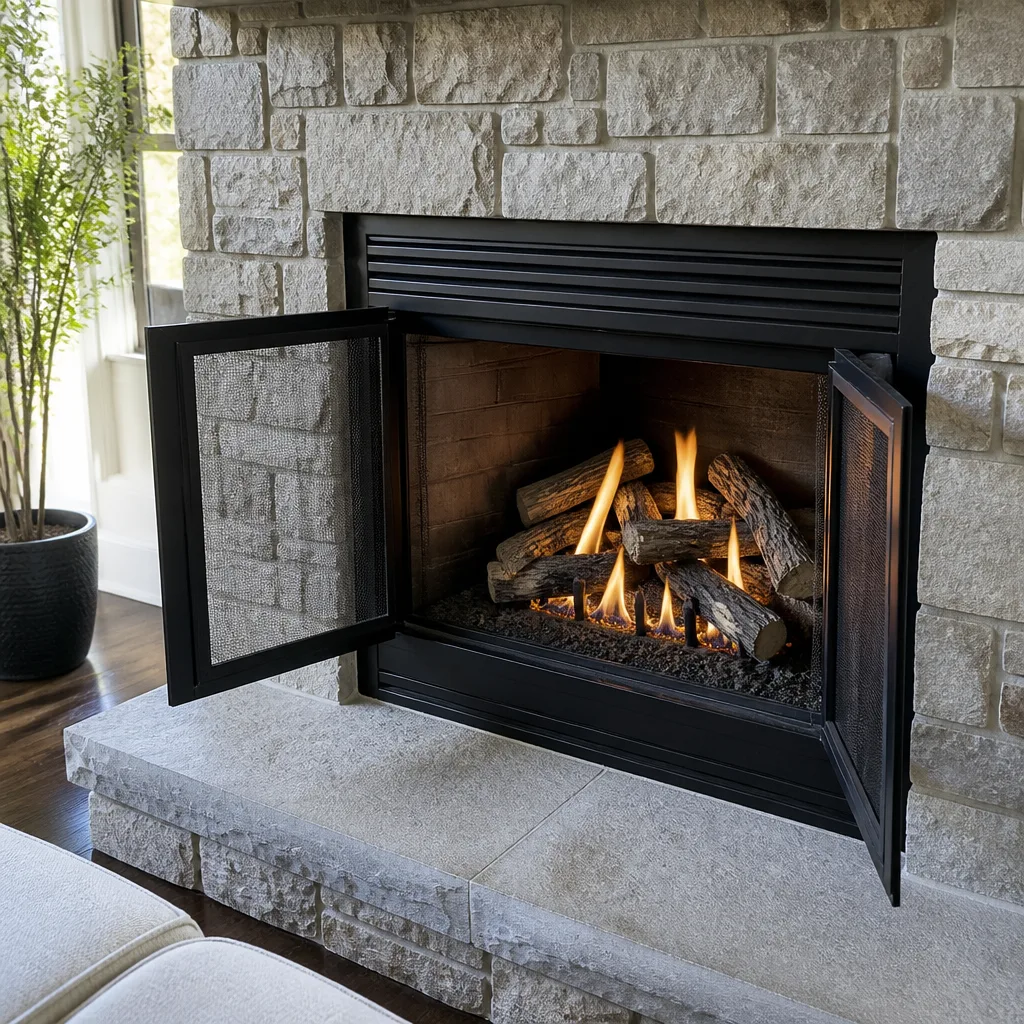 Gas fireplace service
Level 1 sweep and inspection to the NFPA 211 annual standard - flue, crown, cap, and flashing checked and photographed
Chimney sweep logs do not sweep chimneys. They loosen some creosote - which then falls where a brush and vacuum still have to collect it.
Chimney Cleaning Cost Breakdown: The Sandy Springs Homeowner’s Reference for 2026
Here’s the part nobody tells you: a $79 chimney sweep special in Sandy Springs is not a lie. It’s just not the whole story. That price covers a brush pass and a five-minute visual check. What it doesn’t cover is the $340 worth of work a proper inspection often finds, and that’s where the real cost of chimney ownership lives. This guide walks through every line item on a chimney cleaning estimate so you know exactly what you’re paying for, what’s optional, and what should make you ask more questions. For Chimney Cleaning Warning Signs: A Sandy Springs Homeowner’s Reference Guide and more guides & resources, see our blog. We’ll give you honest dollar ranges for the Sandy Springs market, explain why two quotes can differ by hundreds of dollars for the same house, and show you how to read an estimate like someone who has seen a few thousand of them.
Quick Answer
A standard chimney cleaning in Sandy Springs typically costs between $180 and $340 in 2026, with the average landing around $250. If you add a Level 2 inspection (which we recommend for most homes), expect to pay $200 to $450 more depending on accessibility. The total scope matters more than the starting number: a $79 special is a brush pass, while a full cleaning plus inspection from a company that itemizes everything will run $380 to $650.
Styles & brands we work with
Table of Contents
- What Drives Chimney Cleaning Costs in Sandy Springs
- Line-Item Breakdown: Every Service and Its 2026 Price Range
- Level 1, 2, and 3 Inspections: What You Get for the Money
- Creosote Stages and Why Stage 2 Changes the Price
- How to Read an Itemized Estimate vs. a Single-Line Quote
- The Real Math: Annual Maintenance vs. Deferred Repair Costs
- What Kindling’s Written Estimate Covers
- Common Mistakes to Avoid
What Drives Chimney Cleaning Costs in Sandy Springs
Chimney pricing in Sandy Springs isn’t arbitrary, though it can feel that way when one company quotes $189 and another quotes $389 for the same address. The honest answer is that several physical factors determine how long a job takes and what it requires. Understanding these helps you compare quotes fairly instead of defaulting to the lowest number.
Flue height and accessibility. A single-story ranch in the Dunwoody Panhandle area with a straight 12-foot flue is a fast job. A three-story home in the Riverside Drive corridor with a steep roof pitch and a 35-foot flue takes more time, requires different equipment, and often needs a second person for ladder safety. That’s a legitimate cost difference, not padding.
Number of flues. Many Sandy Springs homes built in the 1970s and 1980s have two flues: one for the fireplace and one for the furnace or water heater. If both need cleaning, that’s two separate passes, two sets of brushes, and roughly 50% more labor than a single-flue job. Some companies quote per flue; some bundle them. Either way, the number of flues should be on the estimate.
Creosote condition. This is the biggest variable. A chimney that’s burned seasoned wood and been swept annually has light Stage 1 creosote that brushes off in 30 minutes. A chimney that’s burned green wood or hasn’t been cleaned in five years may have Stage 2 creosote: a tar-like glaze that requires mechanical scraping, chemical treatment, and sometimes multiple passes. Stage 2 work can double or triple the base cleaning price.
Climate and use patterns. Sandy Springs winters are mild by national standards, but that actually creates a schedule problem. Homeowners who only burn fires in December and January often forget about the chimney the other ten months of the year. The humidity we get from March through November allows creosote to settle and harden between seasons, which means a chimney that was “fine last winter” may need more aggressive cleaning by October. We see this constantly in the Hammond Hills and Mount Paran neighborhoods, where older masonry fireplaces sit dormant for long stretches.
Liner material and age. A modern stainless-steel liner is smooth and fairly easy to clean. An unlined clay-tile flue from a 1960s house has mortar joints and rough surfaces that hold creosote more stubbornly. If there’s already minor spalling (clay tiles chipping off), a technician has to work more carefully, which takes more time and costs more.
Line-Item Breakdown: Every Service and Its 2026 Price Range
The following numbers reflect what we’re seeing in Sandy Springs in 2026, based on current material costs, labor rates in Fulton and north Dekalb County, and the condition of the average chimney stock in this market. These are ranges, not guarantees, but if a quote falls far outside them, you should ask why.
| Service | Typical 2026 Range in Sandy Springs | What It Actually Includes |
|---|---|---|
| Standard cleaning (single flue, Stage 1 creosote) | $180 – $260 | Brush pass from roof or bottom-up, debris removal, basic visual check of accessible areas |
| Standard cleaning (two flues) | $300 – $420 | Two brush passes, both flues checked, debris removal from each |
| Stage 2 creosote treatment | $150 – $300 add-on | Chemical application (often a product like Cre-Away or a Gelco treatment), dwell time, second brush pass |
| Level 1 inspection | $75 – $150 (often bundled with cleaning) | Visual check of accessible chimney interior and exterior, no climbing, no camera |
| Level 2 inspection (with video scan) | $200 – $450 | Full camera scan of flue interior, attic/basement check of chimney structure, roof inspection of cap and crown, written report with photos |
| Level 3 inspection | $500 – $1,500+ | Invasive inspection requiring partial demolition to access concealed areas, usually after a fire or structural event |
| Chimney cap replacement | $180 – $400 installed | Stainless steel cap (standard or multi-flue), removal of old cap, hardware, installation |
| Crown coat (repair/seal) | $350 – $800 | Surface prep, removal of loose mortar, application of flexible crown sealant like Gelco CrownCoat |
| Liner repair (resurfacing) | $1,800 – $4,000 | HeatShield or similar resurfacing system applied to damaged clay tile flue, materials and labor |
| Full stainless steel liner replacement | $2,500 – $6,500 | Removal of old liner or installation of new one, insulation, top plate, cap, connection to appliance |
One thing to note about these numbers: a company that quotes you $89 for a cleaning is almost certainly not losing money on purpose. They’re treating the cleaning as a lead generator. The technician arrives, does a quick brush pass, then spends 20 minutes photographing cracks, missing mortar, and deteriorated caps. The $89 was never meant to be the final bill. That’s not inherently dishonest, but it is a business model, and you should know that’s what you’re walking into. A company that quotes $250 for a cleaning and $425 for a cleaning plus Level 2 inspection with video is giving you the whole number upfront, not a starting bid.
Level 1, 2, and 3 Inspections: What You Get for the Money
The National Fire Protection Association (NFPA 211) defines three inspection levels, and any reputable chimney company in Sandy Springs follows these standards. Understanding what each level includes is the single fastest way to know whether a quote is fair.
Level 1 Inspection
A Level 1 is a visual check of everything you can see without special equipment or climbing: the firebox, the damper, the visible portion of the flue from the fireplace opening, and the exterior chimney from the ground. It happens during a routine cleaning when nothing about the system has changed. If you use your fireplace regularly and nothing has occurred (no chimney fire, no water leaks, no change in fuel type), Level 1 is appropriate. Most Sandy Springs homes that get an annual sweep are getting a Level 1 by default.
Level 2 Inspection
A Level 2 includes everything in Level 1 plus a camera scan of the full flue interior, an inspection of the attic and crawlspace where the chimney passes through, and a check of the accessible exterior including the cap and crown. You need a Level 2 when any of these happen: you bought the home (or are selling it), you changed fuel type (wood to gas or vice versa), the chimney was damaged by weather or an earthquake, or you had a chimney fire. In our experience at Kindling, about 80% of Sandy Springs homes we first visit have never had a Level 2 inspection, even after decades of regular fireplace use. For a full breakdown of what to schedule and when, see our Chimney Sweep Maintenance Checklist for Sandy Springs Homeowners. The camera reveals things a brush pass never shows: cracked clay tiles, separated mortar joints, hidden creosote glazing, and sometimes the remains of a long-forgotten chimney fire from years before the current owners lived there.
Level 3 Inspection
Level 3 is rare and expensive because it involves removing part of the chimney structure to access concealed areas. It’s reserved for cases where a Level 2 camera scan reveals serious damage that needs surgical inspection, or after a major structural event. If a contractor in Sandy Springs recommends Level 3, they should be able to show you the Level 2 footage that justifies it. Anyone suggesting Level 3 without first doing a camera scan is guessing.
Creosote Stages and Why Stage 2 Changes the Price
Creosote isn’t one substance. It’s a family of combustion byproducts that forms differently depending on burn temperature, wood moisture, and chimney conditions. The stage of creosote in your flue is the biggest single variable in cleaning cost, so it deserves its own section.
Stage 1: Flaky soot. This is what most people picture: a fine, black, flaky layer that brushes off easily. Stage 1 is normal for a chimney that’s swept annually and burned with properly seasoned wood. A standard brush pass handles it, and the base cleaning price applies.
Stage 2: Shiny tar-glazed creosote. When combustion is incomplete, creosote deposits form a glossy, sticky, tar-like layer that hardens onto the flue walls. This stuff doesn’t brush off. Removing it requires chemical treatment, mechanical scraping with specialized tools, and sometimes multiple passes. It also takes longer, which means more labor cost. This is the stage we see in many Sandy Springs homes where owners burn whatever’s convenient: grocery-store firewood with higher moisture content, construction scraps, or mail-order logs that don’t burn hot enough. Stage 2 treatment typically adds $150 to $300 to a cleaning bill.
Stage 3: Hardened, encrusted deposits. At this point, the creosote has baked into a dense, candy-like layer that can narrow the flue opening significantly. Removal often requires rotary equipment and may take several hours. In some cases, the liner is damaged underneath and the creosote removal reveals the need for liner repair. Stage 3 is where a $250 cleaning becomes a $2,500 project, not because anyone upsold you, but because the flue was allowed to degrade for years.
Here’s the sequencing that matters: you cannot know the creosote stage before the technician looks. A phone quote of “$199 flat” is a commitment to a price before anyone has seen the flue. A quote of “$180 to $300 depending on creosote condition” is an honest range. We’d rather give you the honest range.
How to Read an Itemized Estimate vs. a Single-Line Quote
This is where most Sandy Springs homeowners lose the comparison battle. They get one quote that says “Chimney Cleaning: $189” and another that says “Chimney Cleaning: $310” and they pick the cheaper one without realizing the two companies are quoting different scopes of work.
What a single-line quote tells you
A single-line quote doesn’t tell you what’s included, what’s excluded, what condition the chimney is in, or what happens if the technician finds something unexpected. It gives you a number and a handshake. That number is almost always a starting bid, and the final invoice will be higher in practice. The absence of line items is itself a signal: it means the company hasn’t done the work of breaking down scope, and it means you can’t hold them to anything specific.
What an itemized estimate should include
A proper itemized estimate from a chimney company in Sandy Springs should list, at minimum:
- Cleanings by flue count: “Clean fireplace flue (one)” or “Clean fireplace flue + furnace flue (two)”
- Creosote treatment, if applicable: “Stage 2 creosote treatment with chemical application” as a separate line
- Inspection level: “Level 1 visual inspection included” or “Level 2 inspection with video scan: $X”
- Access equipment: “Single-story ladder access included” or “Three-story ladder access with safety line: $X”
- Debris removal and clean-up: “Full interior clean-up, hearth vacuum, drop cloths” as an included line, not an add-on fee
- Any recommended repairs as separate estimates: cap replacement, crown coat, liner work should each have their own line item with their own price, never bundled into the cleaning total
When every component is on the page, you can compare two quotes apples to apples. When a company refuses to itemize, you can’t. Simple as that.
The Real Math: Annual Maintenance vs. Deferred Repair Costs
Let’s talk dollars over time, because this is where the honest argument for regular maintenance lives. In Sandy Springs, the average homeowner who uses their fireplace 15 to 20 times per winter and gets an annual cleaning plus Level 1 inspection will spend roughly $250 to $350 per year. Over a decade, that’s $2,500 to $3,500.
Now let’s look at what happens when a homeowner skips maintenance for ten years. The creosote builds to Stage 3. Water infiltrates through a cracked crown. The clay tiles start spalling. The damper rusts shut. The eventual bill, when something finally forces action, often looks like this:
- Stage 3 creosote removal: $500 – $800
- Crown repair or rebuild: $350 – $800
- Clay tile liner resurfacing (HeatShield): $1,800 – $4,000
- Chimney cap replacement: $180 – $400
- Total deferred repair cost: $2,830 – $6,000
Same ten years, two to four times the cost, and that’s before considering the safety exposure of running a fireplace with a deteriorating flue. The math isn’t complicated: a clean chimney is cheaper than a repaired one. We’re not saying this to scare anyone into a service they don’t need. We’re saying it because we’ve written the estimates on both sides of this equation, and the comparison holds up every time.
What Kindling’s Written Estimate Covers
Here’s how we handle pricing at Kindling Chimney Sandy Springs home, and it’s not complicated. Before any work starts, you get a written estimate with every line item broken out: the cleaning by flue, the inspection level, any creosote treatment if it’s needed, and any recommended repairs as separate quotes. Nothing gets done without your sign-off on the specific number. No one knocks on your door afterward with a “we found something” surprise.
If the technician does find something during the cleaning or inspection that needs attention, you get photos and camera footage you can look at yourself. We don’t ask you to take our word for it. You’ll see the cracked tile or the separated mortar joint on a screen before anyone discusses a repair with you. That’s the difference between a diagnosis and a sales pitch.
In financial terms, the 365-Day Done Right Promise means something specific: if the work isn’t done right, we make it right, at no additional cost to you, for a full year. If a cap we installed comes loose in a spring storm, we’re back out. If a crown coat fails because surface prep was inadequate, we redo it. You don’t pay twice for the same repair. That’s the promise, and it’s in writing on every estimate we produce.
We also carry the Cedarwell Care Promise into every home: shoe covers and drop cloths go down on arrival, nothing is moved without asking, and we take a photo of the clean-up before we leave so you can see exactly how your floors were left. If you have kids or pets, you already know why this matters. A chimney sweep shouldn’t mean vacuuming soot out of your carpet at 9 PM.
Getting a Chimney Cleaning in Sandy Springs: Step by Step
If you’ve never booked a chimney cleaning before, here’s what the process looks like when it’s done properly, from your first call to the moment the crew leaves. You can also explore more guides & resources on our blog.
- 1
Call and describe your setup. How many fireplaces? When was the last cleaning? Any known issues? A good company will ask these questions before quoting anything. We answer our phones with a live person 24/7, so you won’t get a voicemail when you call.
- 2
Get a written estimate. Before work starts, you should have a written price that includes the cleaning scope, inspection level, and any add-ons like creosote treatment. If a company won’t put it in writing before arriving, that’s a red flag.
- 3
The technician arrives and protects the home. Shoe covers and drop cloths go down immediately. Furniture is noted and not moved without permission. This isn’t a courtesy; it’s the standard.
- 4
The cleaning happens. The technician brushes the flue, removes debris from the firebox and smoke shelf, and checks the damper and visible components. If a camera inspection is part of the service, that footage is captured now or immediately after.
- 5
You see the findings. Photos, camera footage, and a plain-English explanation of what was found. If repairs are recommended, you get separate line-item estimates for each one, and you decide what to do.
- 6
Clean-up is verified. The crew vacuums around the hearth, removes drop cloths, and takes a photo of the finished area. You shouldn’t be able to tell a chimney crew was there except that the fireplace is clean.
Common Mistakes to Avoid
- Booking based on the lowest phone quote. A $79 or $89 special in Sandy Springs is a lead generator, not a final price. You will pay more once the technician is in the home. Get a written, itemized estimate before anyone schedules a visit.
- Skipping the inspection because the cleaning “went fine.” A brush pass tells you nothing about the condition of the flue liner, crown, or cap. The camera inspection is where real problems show up. Skipping it saves $200 and can cost $3,000 later.
- Burning unseasoned or construction wood. The humidity in Georgia means firewood takes longer to dry than in Western states. Burning wood with moisture content above 20% creates Stage 2 creosote quickly, and that’s what turns a standard cleaning into a specialty job.
- Assuming a new home doesn’t need a chimney check. We’ve inspected chimneys in newly purchased Sandy Springs homes and found decade-old creosote and cracked tiles from the previous owners. A Level 2 inspection at move-in is the best $300 you’ll spend on the fireplace.
- Ignoring the exterior chimney. A cracked crown or missing cap lets water into the masonry, and water damage is the most expensive kind. Exterior repairs are cheaper than interior liner replacement. Check the cap and crown at least once a year, or have them checked during the annual cleaning.
- Treating liner repair quotes as negotiable. HeatShield resurfacing and stainless steel liner replacement have real material costs. A quote that’s 60% below the market range is likely using substandard materials or cutting steps. Ask what system they’re installing and who manufactures it.
See the difference
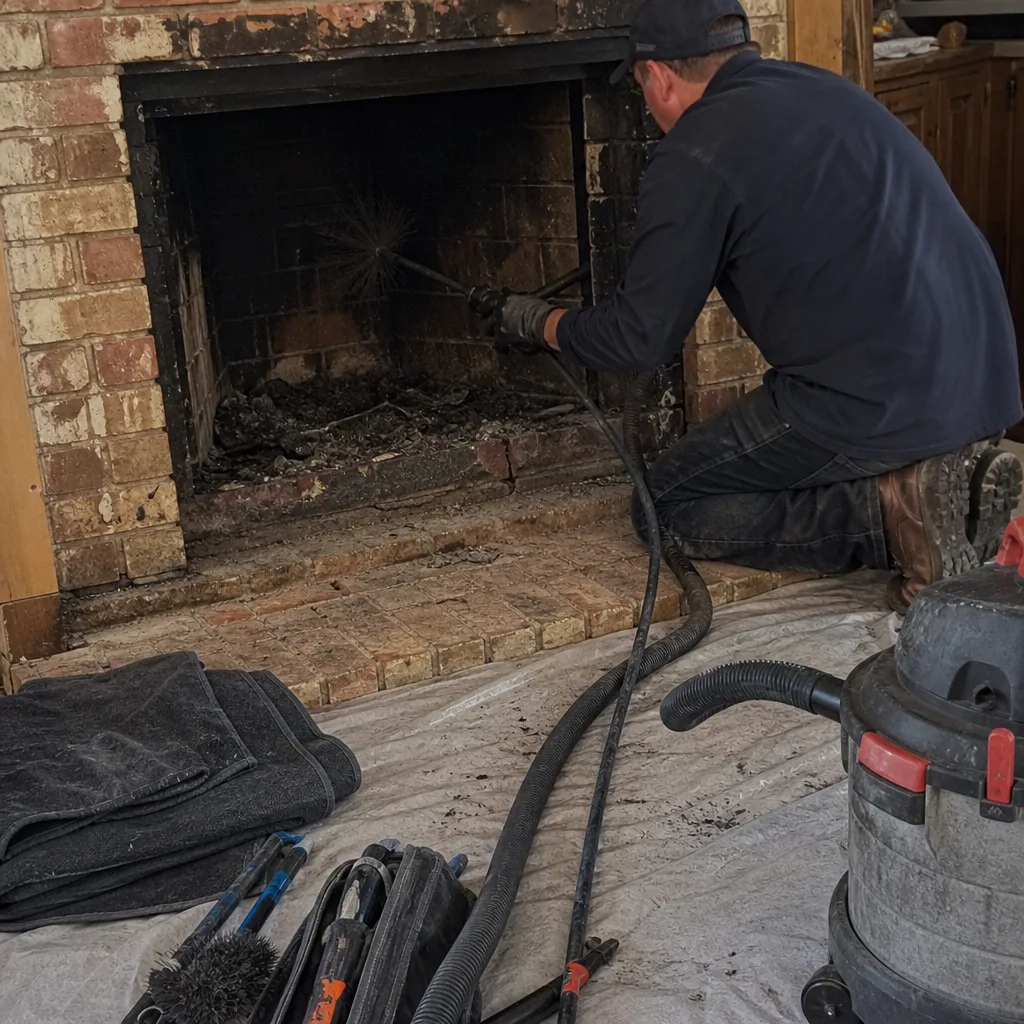 Before
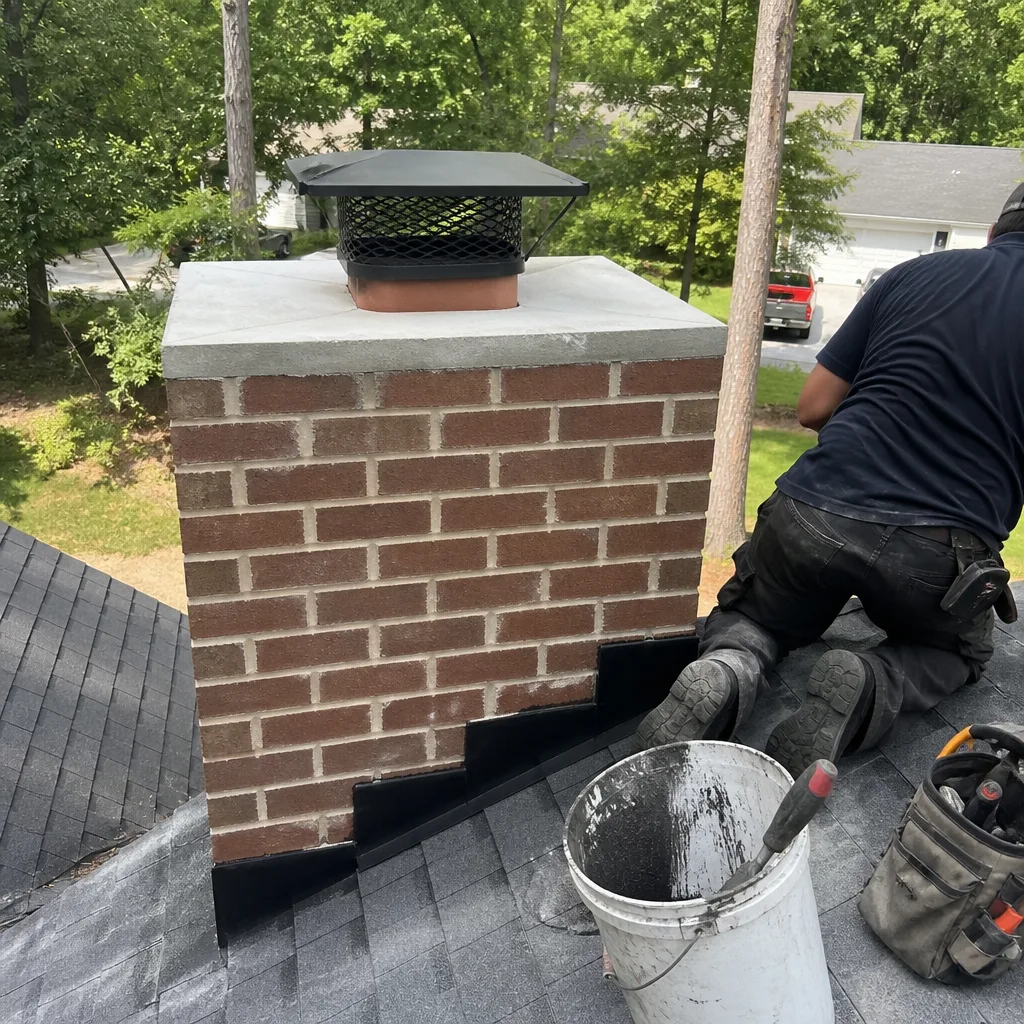 After
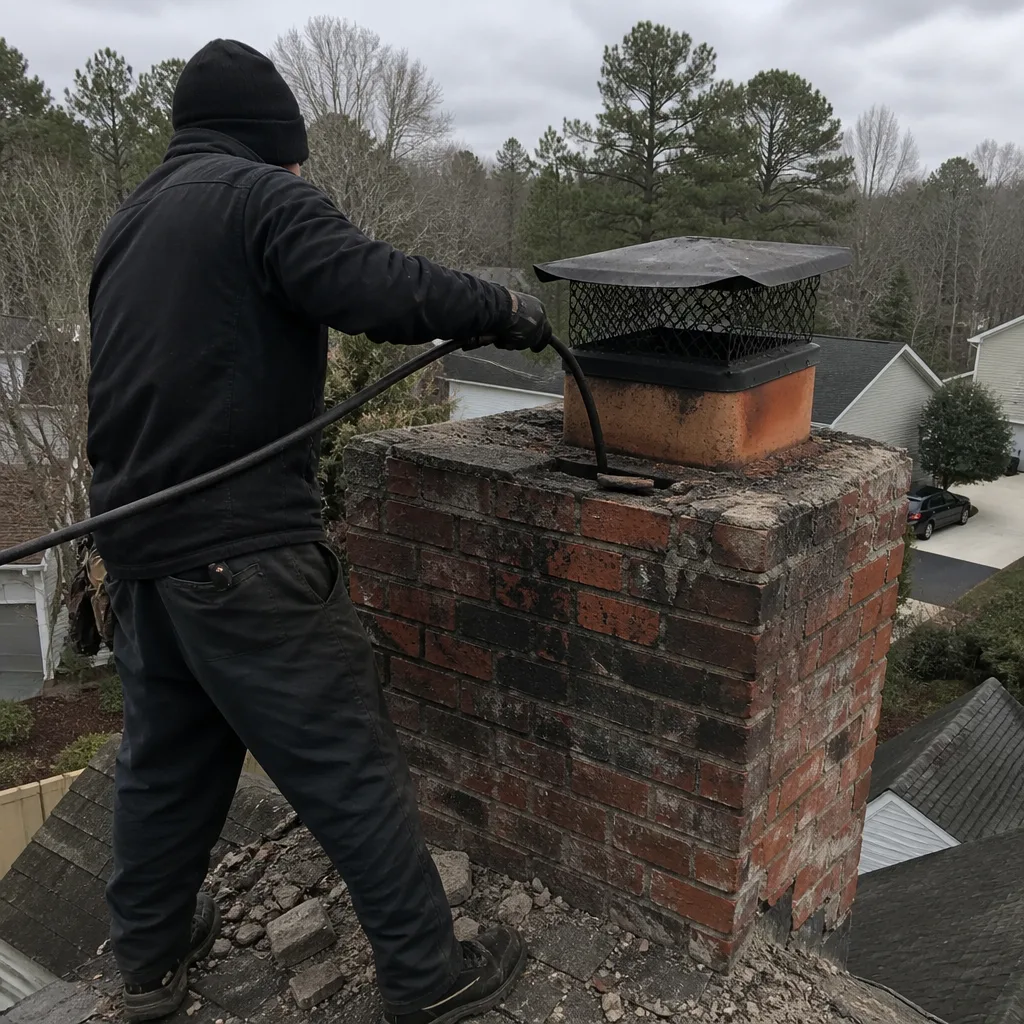 Before
 After
 Before
 After
When to Call a Professional
Some things about your chimney you can check yourself; some you should not touch. Call a chimney professional if you see water stains on the ceiling near the fireplace, notice a strong smoky odor when the fireplace isn’t in use, hear crumbling sounds or see tile fragments in the firebox, or if it’s simply been more than two years since the last cleaning. Gas fireplace users should also schedule an annual check, even though gas burns cleaner than wood; the venting still needs inspection. If you’re in Sandy Springs and want a written estimate before committing to anything, Kindling’s chimney sweep services in Sandy Springs are available for free estimates; call (229) 459-1048 and a live person will answer.
Frequently Asked Questions
A standard single-flue chimney cleaning in Sandy Springs runs $180 to $260, while a two-flue home typically costs $300 to $420. If creosote removal requires Stage 2 treatment, add $150 to $300. For an exact number based on your chimney’s condition, call (229) 459-1048 and we’ll give you a written estimate before any work starts.
A legitimate liner recommendation always comes with camera footage you can see yourself. If the video shows cracked clay tiles, gaps in mortar joints, or metal corrosion, the liner needs attention. If a company recommends liner replacement without a camera scan or can’t show you the problem, get a second opinion. We never recommend liner work without giving you the footage to verify it.
For a wood-burning fireplace used regularly during winter, an annual sweep is the standard. Even if you only burn 10 to 15 fires per season, creosote still accumulates, and Georgia’s humid spring and summer can harden those deposits between seasons. A Level 2 inspection should accompany the sweep every few years or whenever ownership changes hands.
Creosote builds up in stages, becoming harder to remove the longer it sits. By year five of neglect, many Sandy Springs chimneys have Stage 2 or 3 creosote that requires chemical treatment and mechanical scraping. Meanwhile, small issues like a cracked crown or missing cap let water into the masonry, which accelerates liner deterioration. A $250 annual cleaning becomes a $2,500 to $6,000 repair project.
The cleaning itself is real, but it’s typically a brush pass with a quick visual check only. The company’s business model depends on finding repair work during that visit. There’s nothing wrong with a low introductory price as long as you understand what it does and doesn’t include. A full cleaning plus Level 2 inspection from an honest company will cost more upfront because it covers more scope.
We use professional-grade materials from manufacturers we trust, including HeatShield for liner resurfacing, Gelco for crown repair products, and Olympia Chimney for caps and termination components. These are the same systems specified by building professionals, chosen because they hold up in the Georgia climate, not because they’re the cheapest option on the shelf.
The Bottom Line
A chimney cleaning in Sandy Springs costs between $180 and $420 in 2026 depending on flue count and creosote condition, and a proper Level 2 inspection adds $200 to $450. The difference between a $250 quote and a $650 quote usually comes down to scope, not honesty. Get the written estimate with line items, ask what’s included, and look at the camera footage before agreeing to any repair. Annual maintenance costs about the same as one nice dinner out per month. Deferred repair costs about the same as a used car. The chimney doesn’t care which one you choose, but your budget will.
For a free, written estimate in Sandy Springs, call Kindling Chimney’s inspection team at (229) 459-1048. A live person answers, day or night.
Written by Danny Cortes, Owner at Kindling Chimney Sandy Springs, serving Sandy Springs since 2003.