
Last updated October 15, 2026
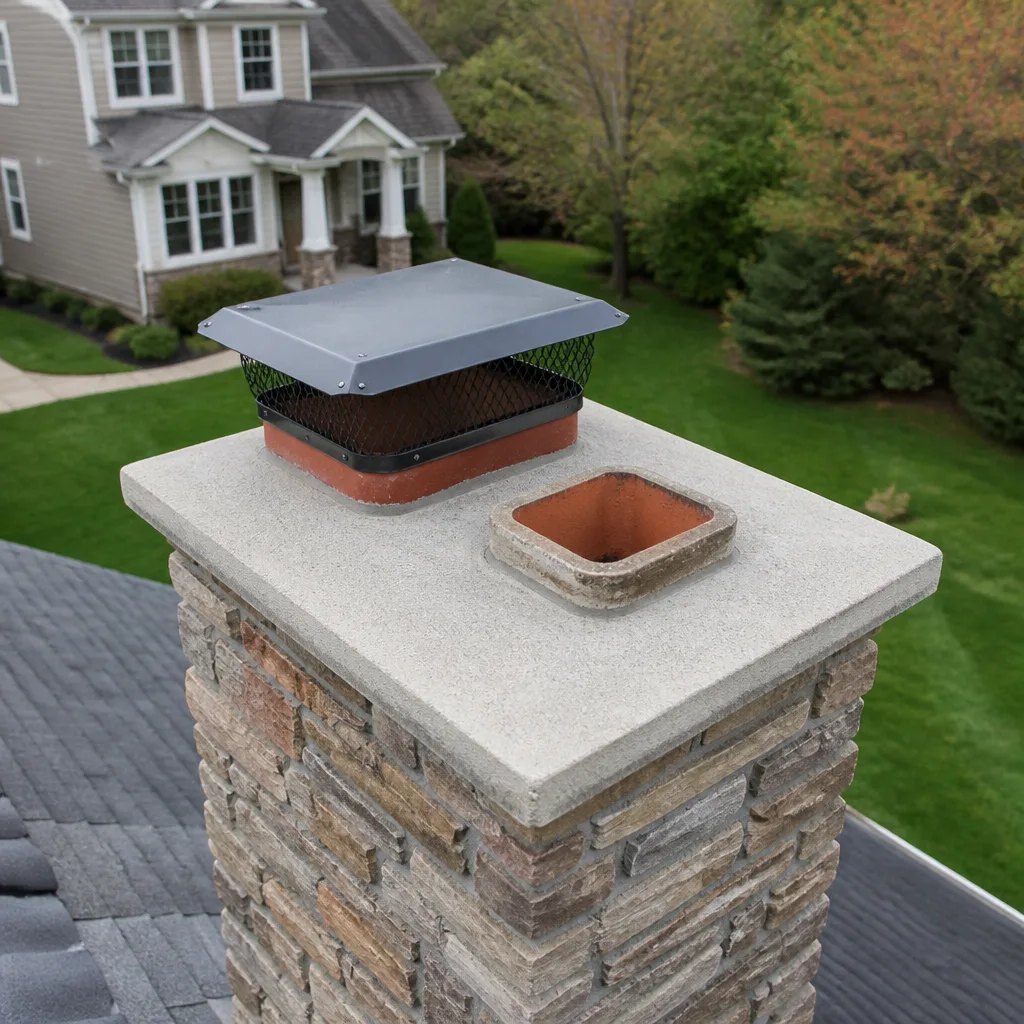 Sweep & inspection
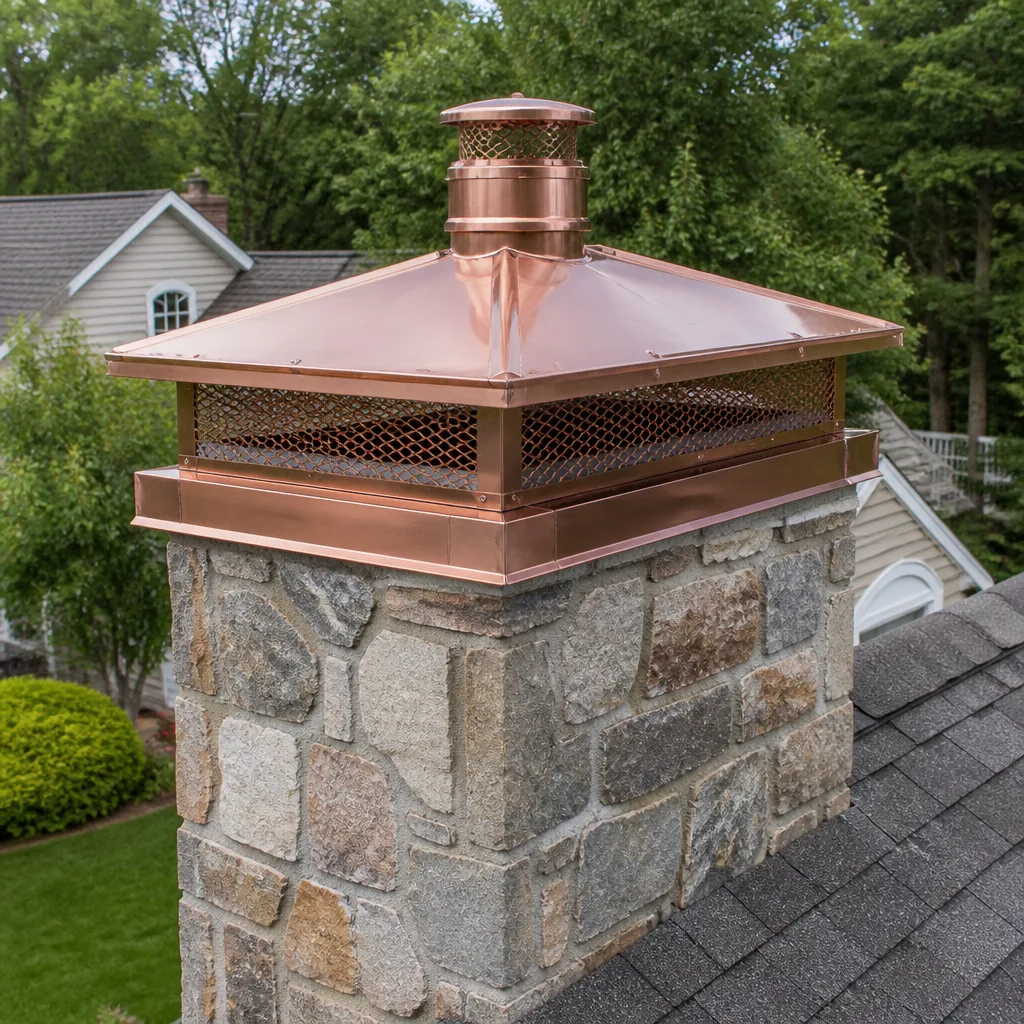 Caps & crowns
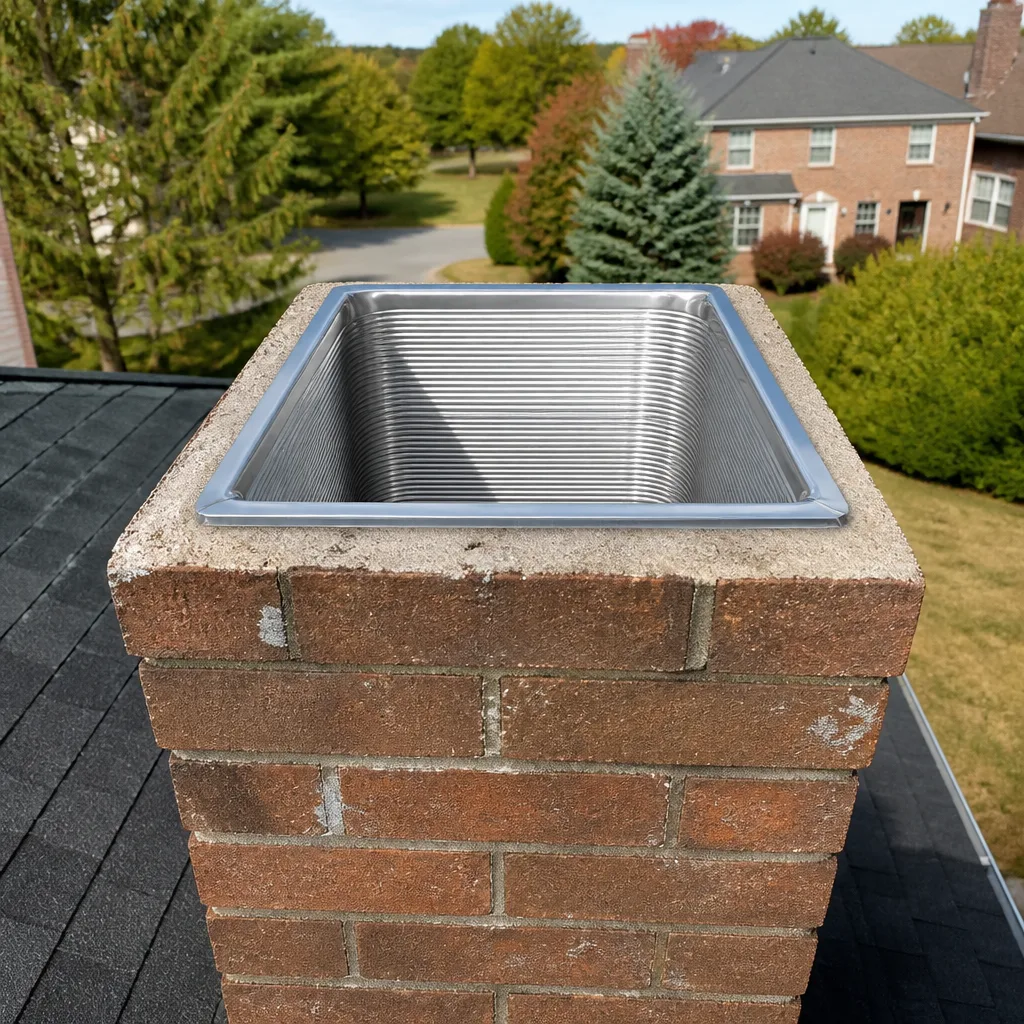 Flue relining
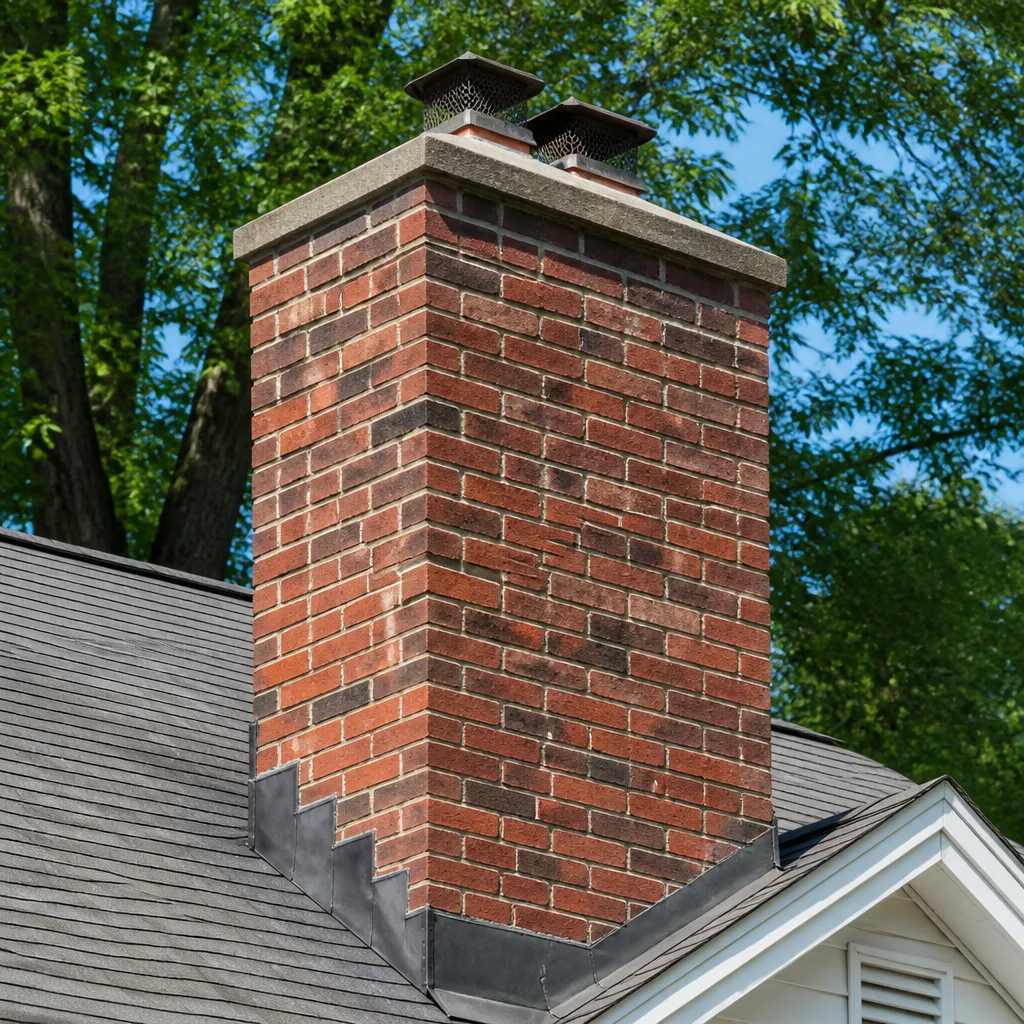 Masonry repair
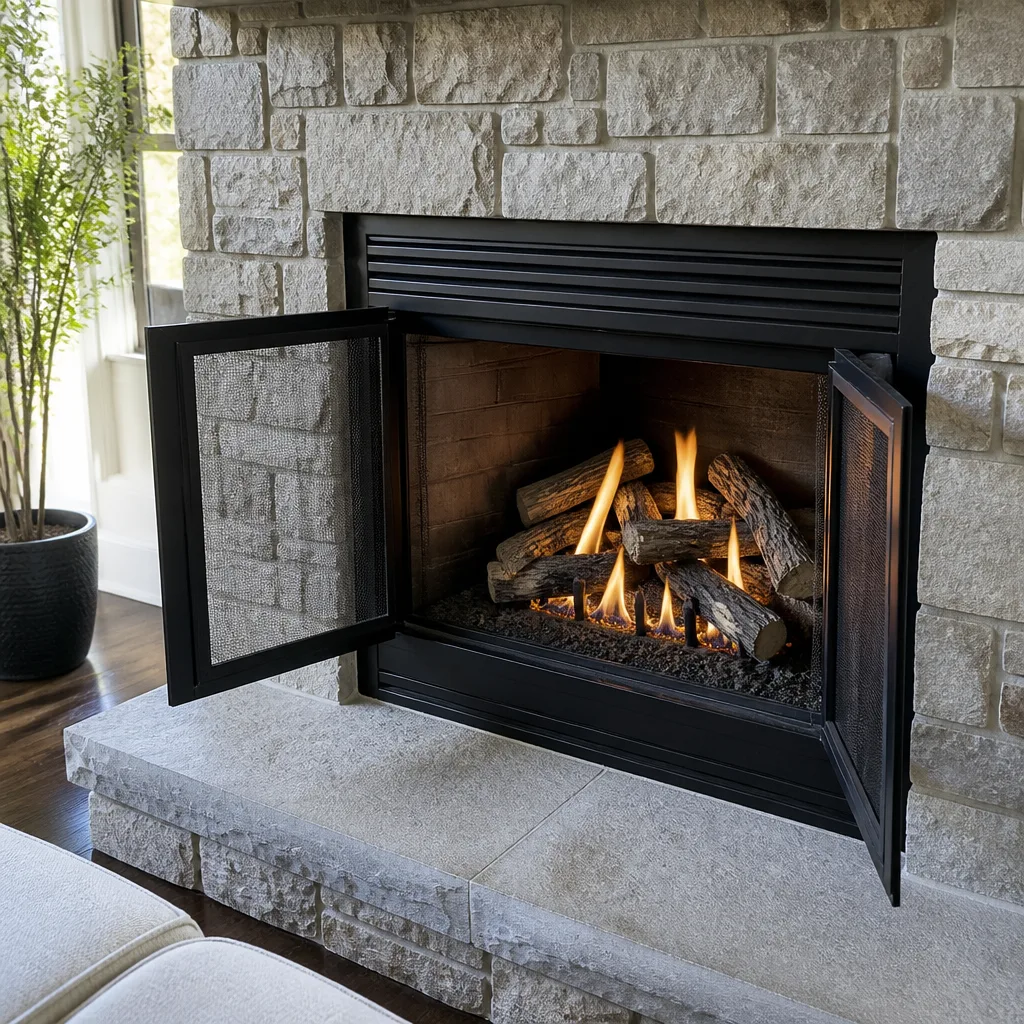 Gas fireplace service
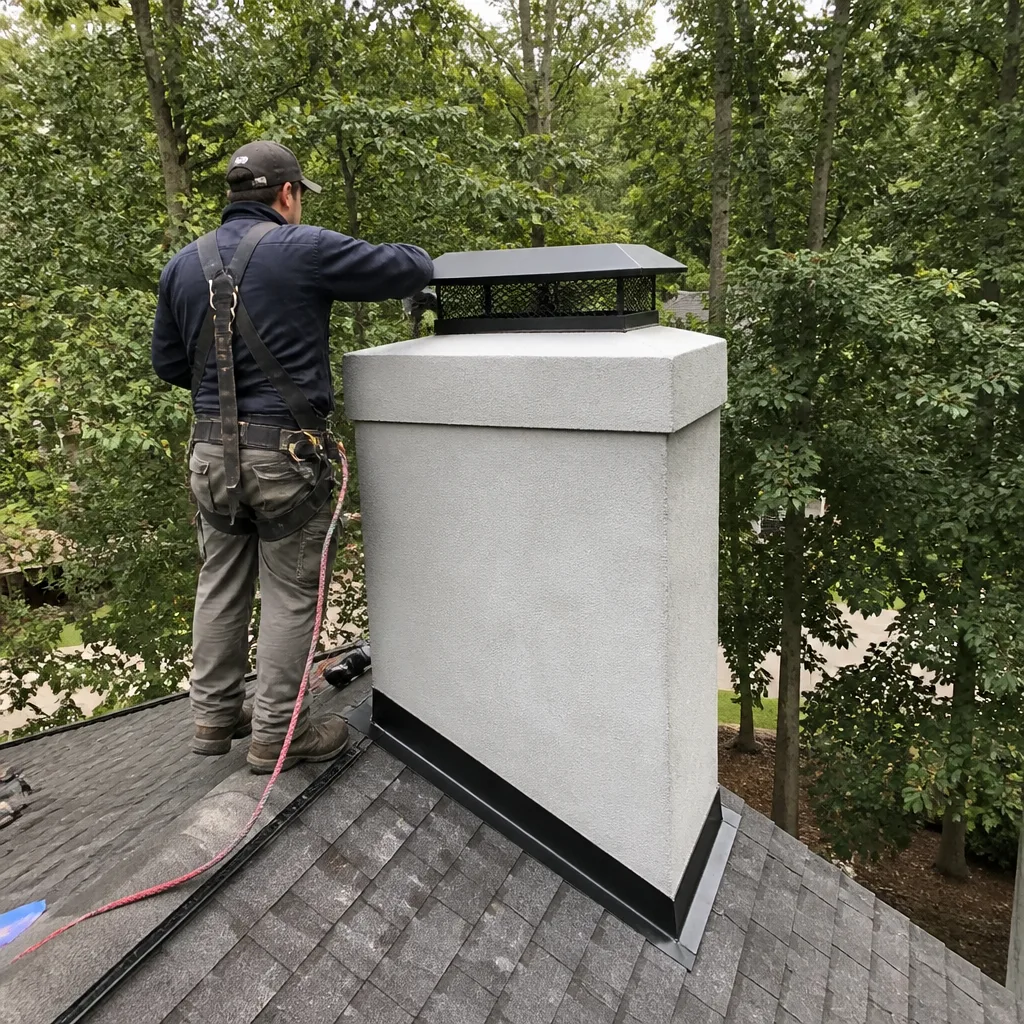
Level 1 sweep and inspection to the NFPA 211 annual standard - flue, crown, cap, and flashing checked and photographed
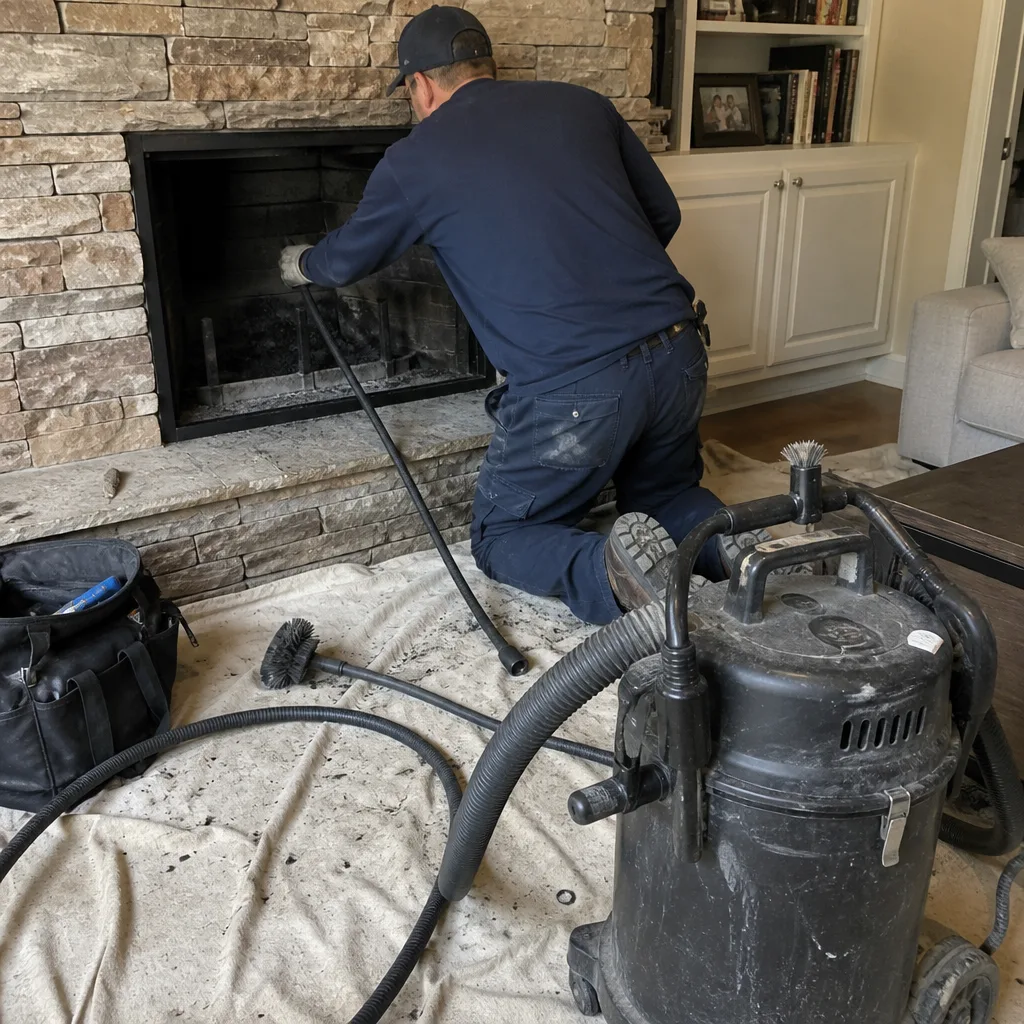
Chimney sweep logs do not sweep chimneys. They loosen some creosote - which then falls where a brush and vacuum still have to collect it.
Chimney Cleaning Warning Signs: A Sandy Springs Homeowner’s Reference Guide
Here’s a number most Sandy Springs homeowners never hear: roughly one in four chimney fires in the Atlanta metro area starts with a creosote buildup the homeowner could have spotted months earlier with a simple flashlight check. That’s not a scare statistic. It’s a maintenance fact. The difference between a $249 sweep and a $4,200 liner replacement often comes down to recognizing a warning sign early, understanding what it actually means, and knowing whether it needs attention this week or can safely wait until the next annual service. This guide walks through every significant warning sign, what each one points to structurally, and how to triage it calmly. We’ve written it specifically for the homes we work in around Sandy Springs, where clay soil, hot summers, and rainy winters create their own particular set of chimney problems.
Styles & brands we work with
Quick Answer
The most common chimney cleaning warning signs in Sandy Springs are: dark flaky or shiny creosote buildup visible inside the flue, smoke rolling back into the room instead of rising, a strong sharp odor coming from the fireplace on humid days, white mineral staining on the exterior brick, and visible soot falling into the firebox between fires. If you see smoke rollout or smell unusual chemical odors, stop using the fireplace and schedule an inspection. Most other signs can wait a few weeks but should not be ignored through another burning season. A standard chimney sweep in Sandy Springs typically runs $180 to $300, and most inspections with a camera run $150 to $250.
Table of Contents
- A 3-Tier Urgency Framework: Stop, Schedule, or Note
- Creosote: What It Looks Like, Why It’s Dangerous, and When It’s Critical
- Smoke Rollout and Draft Problems: What Your Fireplace Is Trying to Tell You
- Reading Chimney Odors: Sulfur, Asphalt, and Damp Earth
- Efflorescence vs. Spalling: Cosmetic or Structural?
- Sandy Springs Soil and Your Chimney: Why the Base Cracks
- What to Photograph and Measure Before You Call
- Common Mistakes to Avoid
- When to Call a Professional
- Frequently Asked Questions
- The Bottom Line
A 3-Tier Urgency Framework: Stop, Schedule, or Note
Not every chimney warning sign is an emergency. In fact, treating every sign as urgent makes homeowners either panic or, worse, tune out entirely. In our experience in Sandy Springs, the most helpful way to think about chimney signs is a three-tier system. Tier one means stop using the fireplace now. Tier two means schedule a Chimney Inspection in Sandy Springs within the next 30 days. Tier three means make a note and mention it at your next annual service. Here is how the signs break down.
Tier 1: Stop Using the Fireplace Immediately
- Smoke rolling back into the room while the damper is fully open
- A chemical or gas-like odor that appears only when the fireplace is in use
- Visible cracks in the firebox walls that expose gaps larger than a quarter inch
- Signs of animal activity in the flue, especially nesting material hanging down into the firebox
- Water dripping into the firebox during or after rain
These signs indicate a blocked or compromised flue, a breach in the liner, or an active structural failure. Each one carries a carbon monoxide risk or a fire risk. Stop burning and schedule a Level 2 inspection with a camera to see what’s actually happening inside.
Tier 2: Schedule Within 30 Days
- Heavy creosote buildup visible as black shiny or flaky deposits on the flue walls
- A smoky smell on humid days when the fireplace has not been used in weeks
- White mineral staining on interior firebox walls
- Crumbling mortar joints on the exterior chimney chase
- A damper that sticks or makes grinding noises when opened or closed
These are progressive problems. They will not resolve on their own, but a month’s delay is generally safe if you are not actively burning. The risk here is letting a fixable issue become an expensive one. A Chimney Sweep in Sandy Springs can address most of these in a single visit.
Tier 3: Note for Next Annual Visit
- Light efflorescence on exterior brick with no cracking
- Minor hairline cracks in the crown that are not widening
- A small amount of rust on the damper or firebox grate
- Faint smoky odor only on the first fire of the season
- Powdery white residue on the interior firebox floor between fires
These signs are worth documenting and mentioning, but they do not require a special trip. They are exactly the kind of thing a trained technician notes during a routine sweep and monitors over time.
Creosote: What It Looks Like, Why It’s Dangerous, and When It’s Critical
Creosote is the single most common issue we find in Sandy Springs chimneys, and the most misunderstood. It forms when wood smoke cools and condenses on the flue wall, leaving behind a residue that ranges from light brown flakes to a thick black glaze. The stage of creosote you see tells you how urgent the cleaning is.
The Three Stages of Creosote
- Stage 1: Flaky soot. Dry, brown, loose particles that brush away easily. Every fireplace produces some of this. One cleaning per year handles it.
- Stage 2: Crusty granules. Darker, coarser, with a honeycomb texture. This stage indicates incomplete combustion, often from burning unseasoned wood or running the fire too cool. It requires a trained sweep with mechanical brushes.
- Stage 3: Glazed creosote. Hard, shiny, tar-like coating fused to the flue wall. This is fuel. It burns extremely hot and is notoriously difficult to remove with standard brushes. Removal often requires a chemical treatment plus mechanical agitation, or in severe cases a product like HeatShield to seal and smooth the flue after cleaning.
How do you know which stage you’re dealing with without climbing on the roof? Shine a bright flashlight up the flue from the firebox with the damper open. If you see shiny black surfaces rather than matte brick or clay, you likely have Stage 2 or 3 creosote. In Sandy Springs, where we get long humid summers, creosote absorbs moisture from the air, which makes it more acidic and more damaging to the flue liner. A glazed flue that survives one winter can crumble the next simply from sitting damp through August.
What you should do right now: look up the flue with a flashlight. If the deposits are dark and shiny, schedule a sweep before your next fire. If you see loose brown flakes but no shine, you can finish the season and book a standard cleaning in spring. The visual check costs you five minutes. The Chimney Sweep in Sandy Springs visit that catches Stage 2 early costs far less than the alternative.
Smoke Rollout and Draft Problems: What Your Fireplace Is Trying to Tell You
Smoke rollout is the single clearest warning sign that something inside the chimney is not working. When the draft system functions correctly, the rising hot air in the flue creates negative pressure that pulls smoke up and out. When smoke spills back into the room instead, the system has been interrupted at some point between the firebox and the chimney cap.
Common Causes of Smoke Rollout
- Blocked flue. A bird nest, squirrel nest, or raccoon intrusion can reduce the flue opening by 70 percent or more. In Sandy Springs, squirrels nesting in uncapped chimneys are a year-round possibility, and birds favor the chimney chase during spring migrations.
- Creosote narrowing. Decades of buildup can reduce a 12-inch flue to a 5-inch opening. The draft weakens because the same volume of smoke now has to travel through a much smaller passage.
- Negative pressure in the home. Tight modern homes in Sandy Springs neighborhoods like Dunwoody Panhandle or Riverside Drive, with their sealed windows and high-efficiency HVAC systems, can starve a fireplace of combustion air. Running the kitchen exhaust fan or a whole-house fan during a fire can pull smoke backward into the living room.
- Damper problems. A damper that will not fully open, or one that has come loose from its mounting, limits the draft from the moment you strike a match.
- Improperly sized flue. Some older Sandy Springs homes were built with fireplaces and flues sized by rule of thumb, not calculation. A flue too small for the firebox will never draw well, no matter how clean it is.
One useful diagnostic: hold a lit match or a piece of incense just inside the firebox opening while the fireplace is cold and the damper is open. If the smoke rises straight up the flue, the draft is working. If it drifts back into the room, you have a negative pressure problem or a cold flue. If it barely moves in any direction, you likely have a blockage. This test takes seconds and gives you real information to share with a technician.
If smoke rolls back into the room during a fire, extinguish the fire, open a window near the fireplace, and do not use the fireplace again until a professional has inspected the flue. Smoke contains carbon monoxide and particulate matter that no household should be breathing in, especially one with children or pets on the floor where the smoke settles.
Reading Chimney Odors: Sulfur, Asphalt, and Damp Earth
Odors are one of the most specific diagnostic tools a homeowner has, and most people never learn to read them. Each distinct smell points to a different underlying problem, and knowing the difference helps you describe the situation accurately when you call.
Sulfur or Rotten Egg
A sulfur odor from a wood-burning fireplace is uncommon but serious. It usually indicates either decaying organic matter inside the flue (a dead animal, a nest, or decomposing leaves from an uncapped chimney) or, in rare cases, a gas leak if the home has a gas log set or a gas starter. If you smell sulfur and have any gas appliance connected to the fireplace, turn off the gas supply at the shutoff valve and call a professional immediately. Do not light anything. If the fireplace is exclusively wood-burning, the smell is most likely an animal or nest that must be removed before the chimney is safe to use.
Asphalt or Burning Tar
An asphalt or tar odor, especially one that intensifies during or immediately after a fire, is the smell of creosote. Stage 3 glazed creosote has a distinct petroleum-like smell that people often describe as asphalt, hot tar, or a freshly paved driveway. This odor means the creosote layer inside the flue is thick enough to be volatile. Sitting inside a flue with a tar-like surface is exactly the condition that leads to chimney fires. If you smell this, do not burn again until the flue has been professionally swept. Some homeowners in Sandy Springs report this smell most strongly on hot summer days when the sun heats the exterior brick and warms the creosote inside.
Damp Earth or Musty Basement
A damp earthy smell, especially one that gets stronger after rain, almost always points to moisture penetration. Water is finding its way past the crown, the flashing, or the masonry itself and soaking into the interior of the chimney. The smell is often strongest in summer when the moisture evaporates and carries the odor down into the living space. Long-term, this moisture accelerates creosote corrosion, deteriorates mortar joints, and creates the conditions for liner failure. If the musty smell appears alongside white staining on the interior firebox wall, the moisture has already passed inside the liner. A Fireplace Repair in Sandy Springs specialist can trace the entry point and fix it before the liner is compromised.
Efflorescence vs. Spalling: Cosmetic or Structural?
White stains on a chimney are confusing because the same basic visual symptom can mean two completely different things. Learning to tell them apart is one of the most valuable skills in this guide because it determines whether you can wait or should act now.
Efflorescence: The Cosmetic One
Efflorescence is a white, powdery, chalky residue that sits on the surface of the brick. It forms when water dissolves natural salts inside the masonry, carries them to the surface as the water evaporates, and leaves the salt behind. Think of it as the brick sweating out minerals. Efflorescence is common on the lower courses of exterior chimneys in Sandy Springs, where rain splashes up from the ground or the clay soil holds moisture against the base. It brushes off easily with a dry wire brush. It is not, by itself, a structural problem. What efflorescence signals is that water is moving through the masonry, and over many years, the repeated wet-dry cycle it represents will cause damage. Efflorescence today is spalling in the making.
Spalling: The Structural One
Spalling is the flaking, crumbling, or popping off of brick faces. It happens when water inside the brick freezes and expands (in winter) or when the salts from repeated moisture cycles crystallize inside the brick’s pores and exert pressure (year-round). In Sandy Springs, where winter freezes are brief but real and summer humidity is constant, both mechanisms are active. A spalling brick will have a hollow sound when tapped, a flaking surface, or a face that has fallen away entirely. The interior of the brick, which was never meant to face the weather, is now exposed, and water enters deeper with every rain.
The difference between the two is simple to check: run your finger over the white residue. If it is powdery and crumbles onto your hand, it is efflorescence. If the brick surface itself is flaking away, or if you see pieces of brick on the ground at the chimney base after a storm, that is spalling. Spalling on load-bearing sections of the chase is a structural concern that should be addressed by a mason or chimney professional, not deferred. Untreated, spalling spreads down the chimney and eventually requires a partial or full rebuild. This is the single most expensive issue on this list to ignore, and one of the easiest to catch early.
Sandy Springs Soil and Your Chimney: Why the Base Cracks
Chimneys in Sandy Springs have a specific structural vulnerability that guides written for other parts of the country never mention: our soil moves. Sandy Springs sits on a band of expansive clay soil that swells during the rainy spring months and shrinks during the drier fall and winter. This seasonal expansion and contraction creates pressure against foundation footings. For a chimney, which is the heaviest vertical structure on the house and often sits on its own footing at the edge of the foundation, the movement shows up as a characteristic pattern of cracking.
What to Look For at the Chimney Base
The first sign of soil-related movement is usually a hairline vertical crack at the mortar joint where the chimney meets the ground or the foundation. It appears on the side of the chimney that faces the yard, not the house. Over several seasons, the crack widens and may step upward through the mortar joints at an angle. If you see a crack wider than a dime at the base, or if the chimney appears to lean slightly away from the house, the movement is significant. The same soil pressure can also crack the hearth inside the home, especially in older single-story ranches where the fireplace sits on a slab.
This is not a cleaning issue, but it is a chimney warning sign worth understanding because a shifting base means the entire structure above it is now working against the flashing, the roofline, and the liner. A crack that starts at the base will eventually translate upward. In our experience in Sandy Springs, crown cracking often appears within two to three years of visible base movement. The crown is the concrete slab on top of the chimney, and hairline crown cracks are the first entry point for the water that will eventually ruin the liner. If you see both early crown cracks and a shifting base, schedule a chimney inspection sooner rather than later. The sequence is predictable, and catching it early means sealing the crown and monitoring, not rebuilding a chimney.
What to Photograph and Measure Before You Call
A good technician arrives faster and works more efficiently when the homeowner has done some basic observation first. You do not need special tools or climbing ability. A phone camera, a flashlight, and five minutes of attention are enough to give the crew real information.
What to Photograph
- The full exterior chimney from the yard. Stand far enough back to capture the entire vertical structure, from ground to cap. This shows lean, cracks, and overall condition.
- The chimney crown. If you can see it from a second-story window or with a phone on a selfie stick, take a clear shot. Crown cracks are one of the most useful early warning photos.
- The base where the chimney meets the ground. Close-up shots of any cracks, gaps, or crumbling mortar at the soil line.
- The firebox interior. With the damper open and a flashlight aimed up the flue, take three or four shots at different angles. Even grainy photos of creosote stage help the technician know what brushes to bring.
- Any white staining or spalling. Take one shot from six inches away to show texture, and one from six feet away to show location.
- The chimney cap, if visible. From the yard or an upstairs window, look for a bent, rusted, or missing cap. If no cap is visible, that is itself useful information.
What to Measure or Observe
Draft time. On a cold morning with the fireplace unused, open the damper and light a single sheet of newspaper in the firebox. Count the seconds until the smoke starts rising cleanly up the flue. Under 30 seconds is normal. A minute or more suggests a weak draft, often from a cold or obstructed flue.
Smoke rollout. During the next fire you do have (after you’ve cleared the warning signs above), stand at the side of the firebox opening and watch the smoke path. If any smoke curls back into the room, note when it happens, how much, and what else was running in the house at the time (HVAC fan, kitchen exhaust, bathroom fan).
Odor timing. Note when the smell appears. On humid days only? During fires? After rain? The timing is diagnostic.
When you call, describe what you photographed and measured in plain language: “I have white powdery staining on the lower exterior bricks, a hairline crack at the base, and the draft test took about 45 seconds.” That sentence tells a technician more than five minutes of background explanation. In Sandy Springs, where homes range from 1960s brick ranches to new constructions with prefab chimneys, this kind of detail helps us arrive with the right parts and the right plan.
Common Mistakes to Avoid
Homeowners in Sandy Springs make a handful of predictable errors when it comes to chimney warning signs. These are the ones we see most often, each one delaying the fix and adding cost.
- Ignoring the first smoky season because the smell fades. Creosote odor is strongest in humid weather and after rain. It does not go away just because it is not detectable on a dry February day. Every year it sits, the creosote absorbs more moisture and etches deeper into the flue liner.
- Burning pine or unseasoned wood to “save money.” Unseasoned wood and softwoods like pine produce far more creosote per fire than seasoned hardwoods. The money saved on wood gets spent on additional cleanings, and the creosote load is worse. In Sandy Springs, where outdoor wood piles sit through humid summers, wood needs at least six to twelve months under cover to reach the 20 percent moisture content that burns cleanly.
- Caulking cracks at the chimney base without addressing the cause. A bead of silicone over a moving crack fails within one season because the clay soil will move again. The crack needs proper repair with the right material and an honest assessment of whether the footing is stable.
- Assuming a chimney cap is optional. In Sandy Springs, an uncapped chimney is an open invitation to squirrels, birds, and rain. A cap costs a fraction of what it costs to remove a raccoon and repair the liner damage its nesting materials caused.
- Using the fireplace as the primary heat source. A masonry fireplace is inefficient as a heater and produces more creosote at the lower burn temperatures people use for long extended burns. If you want heat from wood, a modern wood stove insert is the answer, not larger fires in the existing firebox.
- Waiting until fall to schedule a sweep. The annual fall rush means waits of two to three weeks in the Sandy Springs market. Scheduling in spring or summer gets the chimney cleaned and inspected when the schedule is open, and it gives the masonry the dry season to shed any moisture before the next burning season.
- Buying a home in Sandy Springs without a Level 2 chimney inspection. Standard home inspections do not include a camera scan of the flue interior. Many new homeowners discover liner cracks and creosote glaze in their first season that a real chimney inspection would have caught before closing. A Chimney Inspection in Sandy Springs from a chimney-specific professional sees what a general home inspector cannot.
When to Call a Professional
Certain warning signs are simply not DIY territory. Smoke rollout during a fire. An asphalt or tar odor around the fireplace. Spalling brick faces on the exterior. Water entering the firebox. A dead animal in the flue. Any sign of a breached liner, which is a carbon monoxide risk, not a cleaning issue. All of these require professional equipment and trained eyes. High-tension and structural work inside a flue is genuinely dangerous for an untrained person, and a professional crew carries the right tools, the right safety gear, and the right insurance. For Sandy Springs homeowners, Kindling Chimney Sandy Springs offers free estimates in Sandy Springs. Call (229) 459-1048 and a live person answers, 24 hours a day, 7 days a week. No voicemail tree. No waiting days for a callback. Just a straight conversation about what you are seeing and what it will cost to make it right.
Frequently Asked Questions
A standard chimney sweep in Sandy Springs costs between $180 and $300 for a typical masonry fireplace with a single flue. Homes with prefab chimneys, multiple flues, or heavy Stage 2 and 3 creosote may run higher because the work takes longer and requires chemical or mechanical treatments. Every Kindling Chimney Sandy Springs sweep includes a written price before any work begins, so there are no surprises at the door. Call (229) 459-1048 for an exact quote, estimates are free.
Once per year if you burn more than a dozen fires per season. Sandy Springs chimneys that see regular use should be swept every 50 to 60 burns, which for most families lands on an annual schedule. If you burn less than a dozen fires a year, a sweep every other year is often sufficient, but an annual visual check during the inspection is still wise. Homes that burn unseasoned wood, burn daily, or have older unlined flues will need more frequent service.
Maybe not. A camera inspection is the only way to know. What looks like liner replacement from a quick visual check is sometimes repairable with a HeatShield resurfacing or a DuraFlex reline that costs far less than a full replacement. We never recommend liner work without showing you the camera footage that proves it is needed. If the liner is still intact and the issue is creosote or moisture, the fix may be a sweep and a few masonry repairs instead. If we tell you a liner needs work, you will see exactly why on the screen.
Nothing dramatic in year one. In year three or four, the creosote layer thickens, the flue opening narrows, the draft weakens, and the smoke starts rolling into the room. The creosote absorbs summer humidity, becomes acidic, and attacks the flue liner from the inside. Eventually the liner cracks or the creosote layer reaches the point where it can ignite. The total cost of skipped cleanings is always higher than the cleanings themselves, and in a home with children and pets, the indoor air quality cost starts immediately.
The humidity activates the creosote deposits inside the flue. Moisture in the summer air is absorbed by the creosote layer, and as that moisture evaporates, it carries creosote odor down the chimney into the living space. The smell is strongest on humid days after rain because both conditions are present. The fix is a professional sweep that removes the creosote, not air freshener or a better damper. A clean flue has no creosote to smell.
Efflorescence by itself is cosmetic, but in Sandy Springs it is worth a second look because of our clay soil. The mineral staining tells you moisture is moving through the masonry at the base, which on expansive clay means the soil is also moving. If the efflorescence is powdery and the mortar joints are intact, make a note and mention it next visit. If you see cracks at the base alongside the staining, schedule an inspection to assess whether the footing is shifting. The combination is a Sandy Springs warning sign most generic guides miss.
The Bottom Line
Chimney warning signs are rarely emergencies, but they are always information. The goal is to read them calmly and act proportionately. Smoke in the room means stop and call. Dark shiny creosote means schedule a sweep before the next fire. White staining on the exterior means monitor. The same staining on the interior firebox means the liner has already been breached and the next fire carries real risk. Odors are diagnostic tools, not annoyances. Sulfur means organic or gas. Asphalt means creosote. Damp earth means water. A homeowner who knows these distinctions catches problems in the $300 range instead of the $4,000 range. And in Sandy Springs, where clay soil moves and summer humidity never quits, the cost of not paying attention is always higher. Start with a flashlight and a five-minute look. Then call us with what you found. We will tell you honestly whether you need a sweep, an inspection, or nothing at all.
In our Kindling Chimney Sandy Springs home page, you can learn more about how we work, what we charge, and what to expect from a visit. If you are seeing any of these warning signs, the next step is simple: call (229) 459-1048 for a free estimate. A live person answers, every time. Written price before work begins. Shoe covers and drop cloths on every visit, plus a photo of the clean-up before we leave. That is the Cedarwell Care Promise, and it is included on every job we do in Sandy Springs.
Written by Danny Cortes, Owner at Kindling Chimney Sandy Springs, serving Sandy Springs since 2003.
See the difference
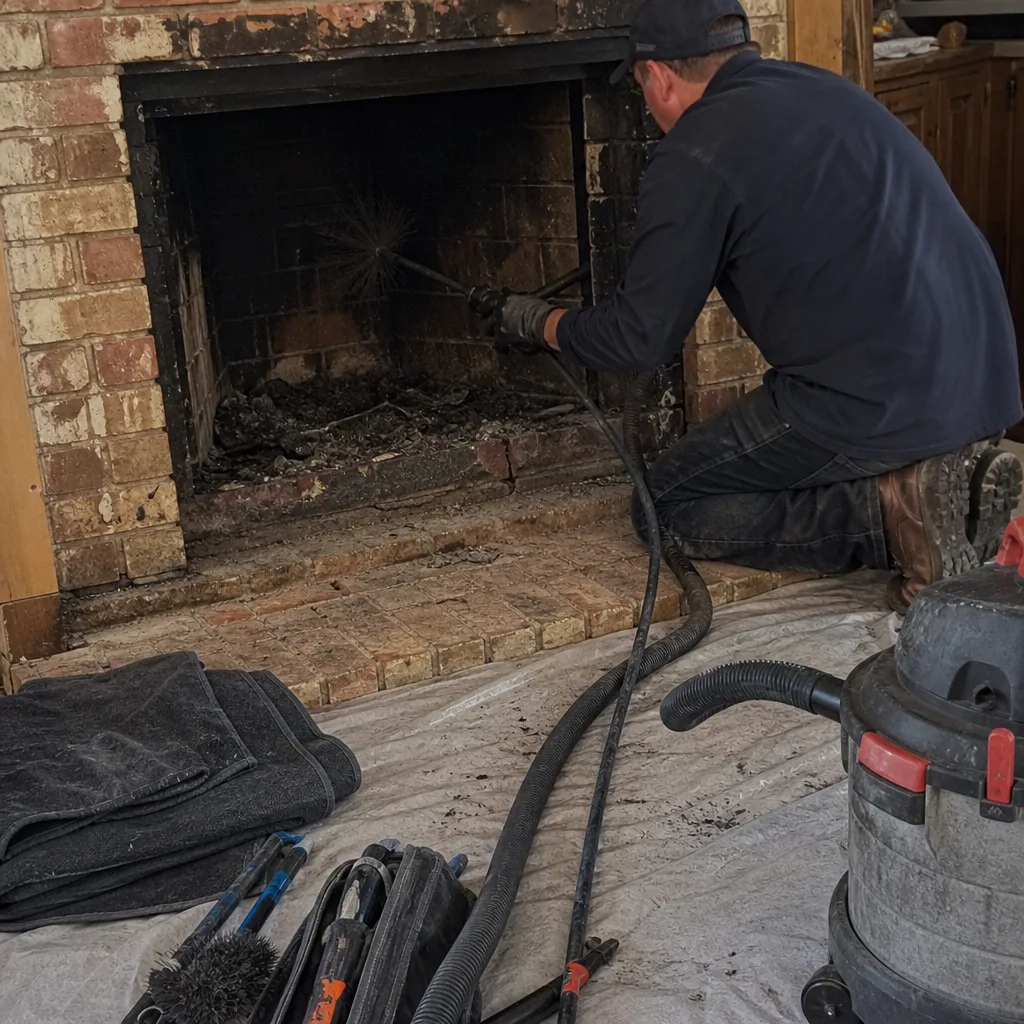 Before
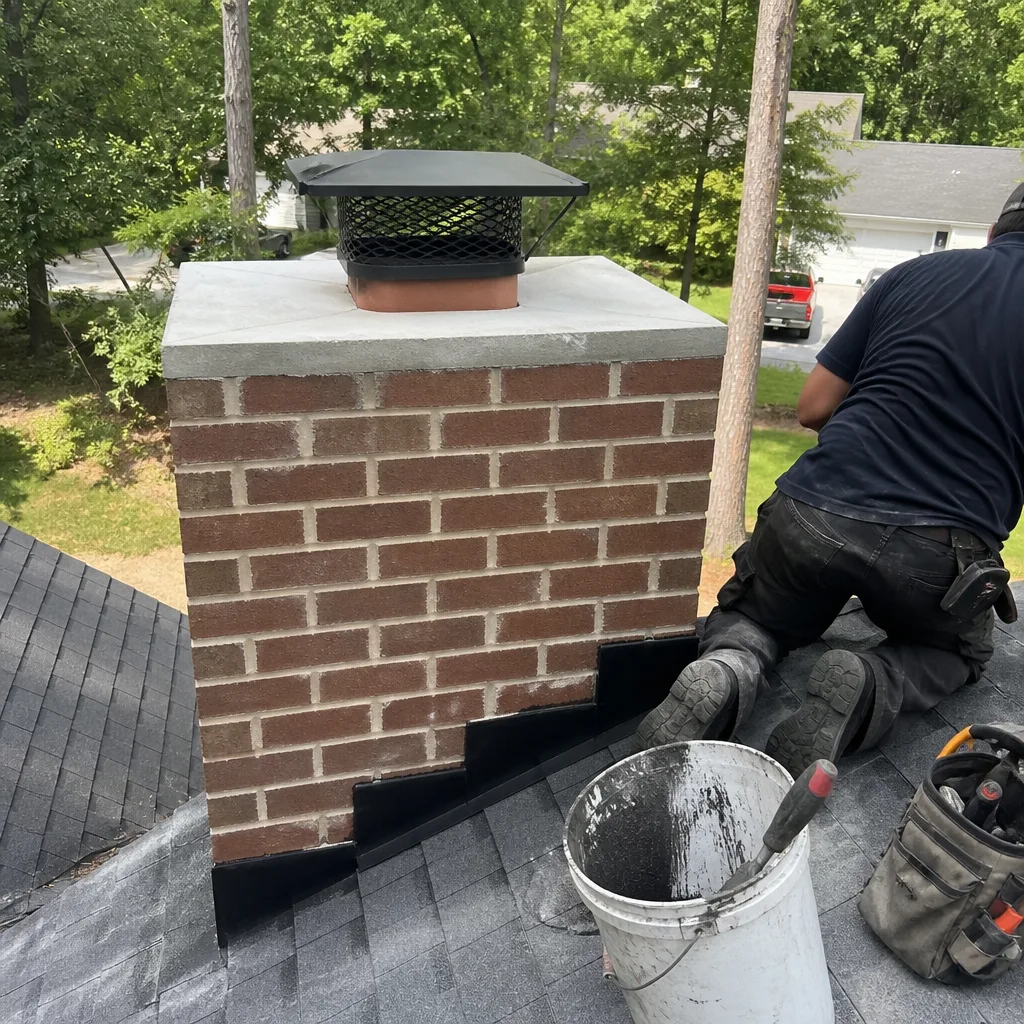 After
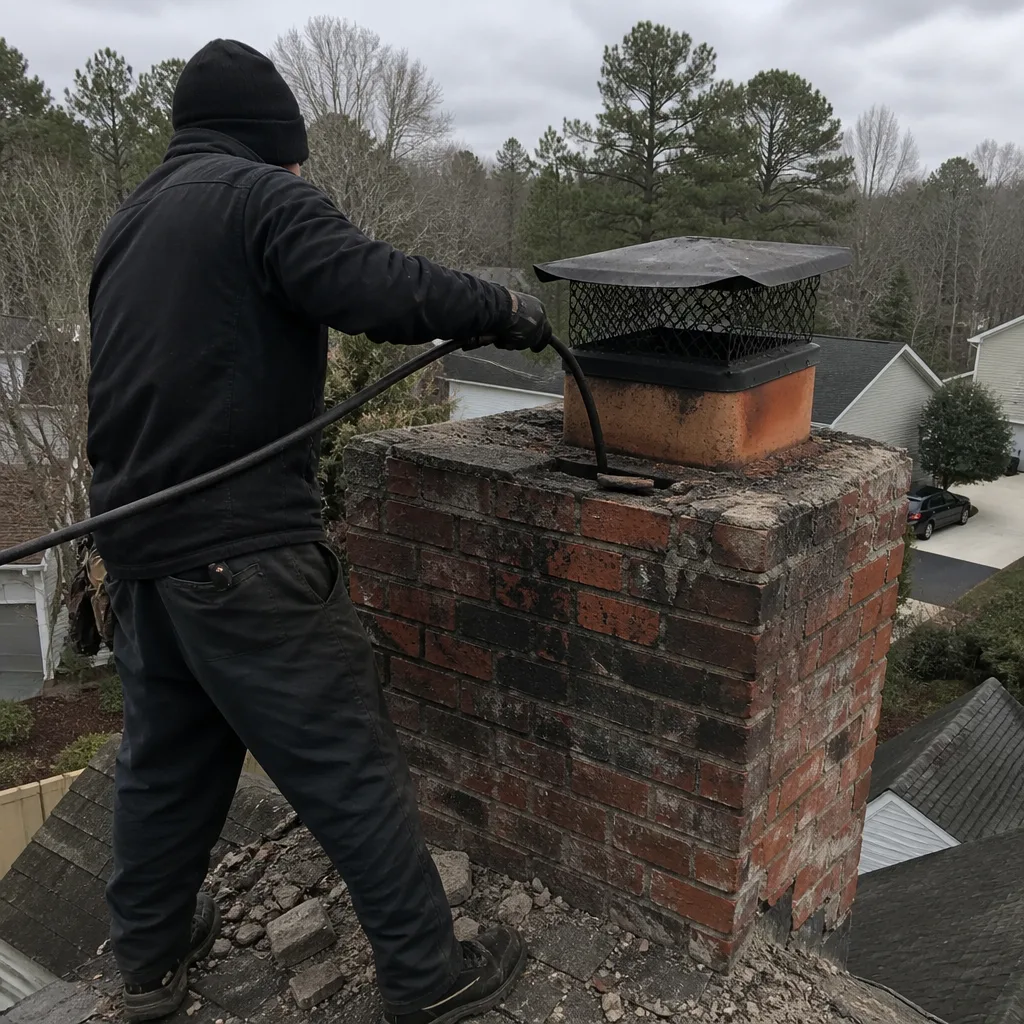 Before
 After
 Before
 After