
Last updated October 15, 2026
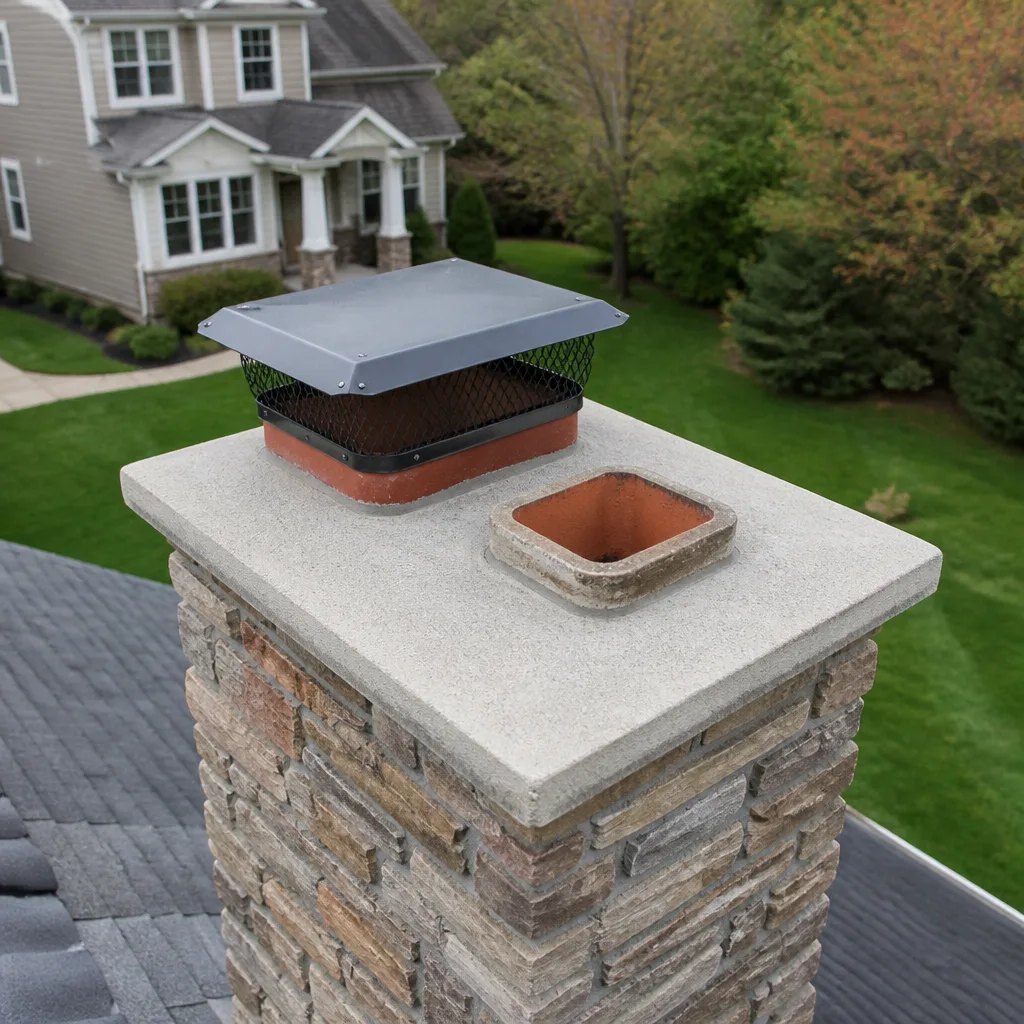 Sweep & inspection
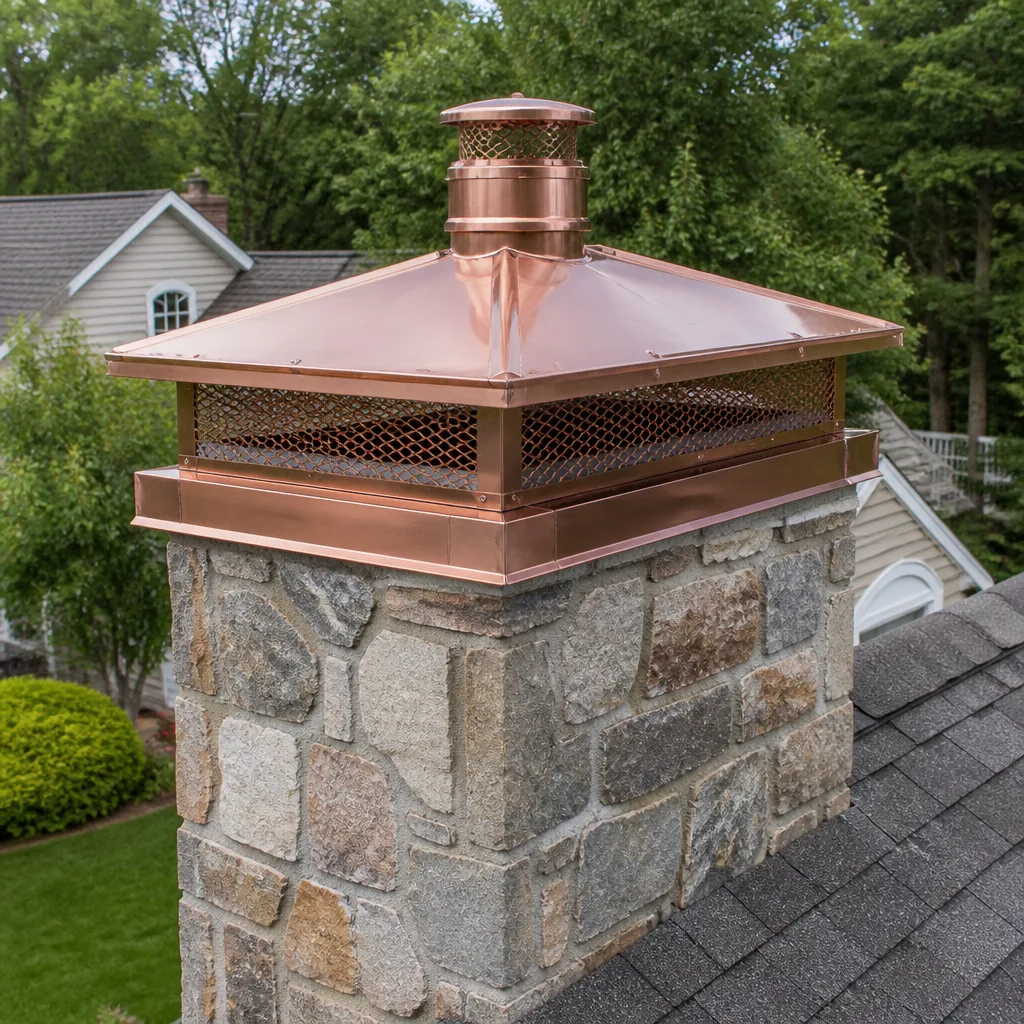 Caps & crowns
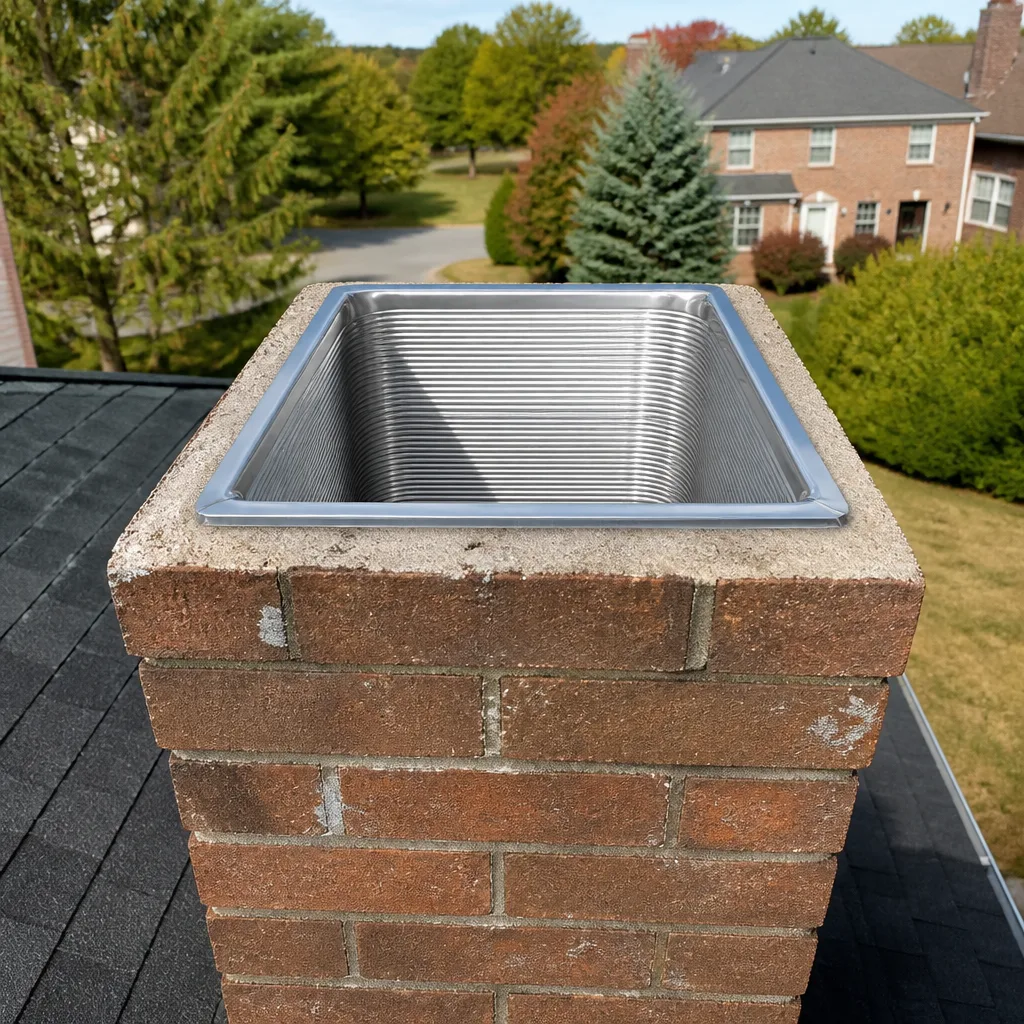 Flue relining
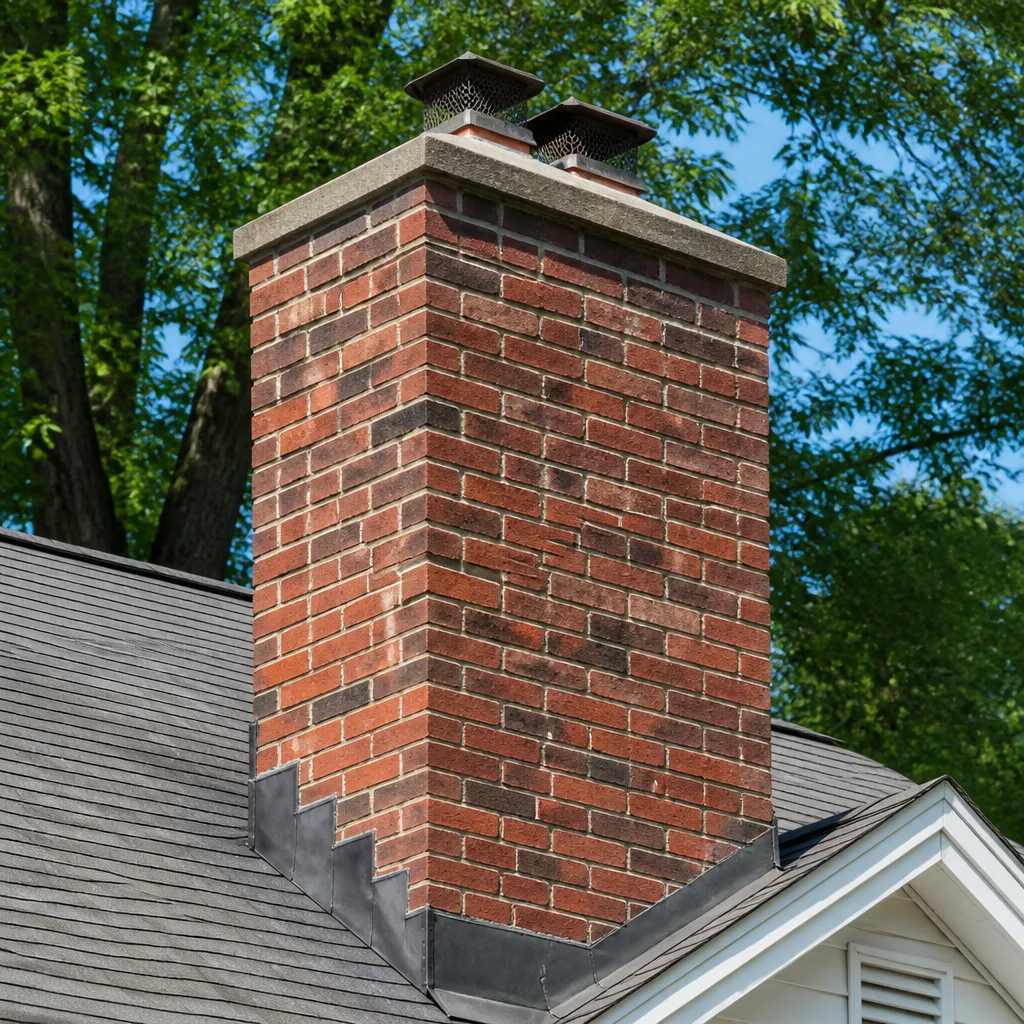 Masonry repair
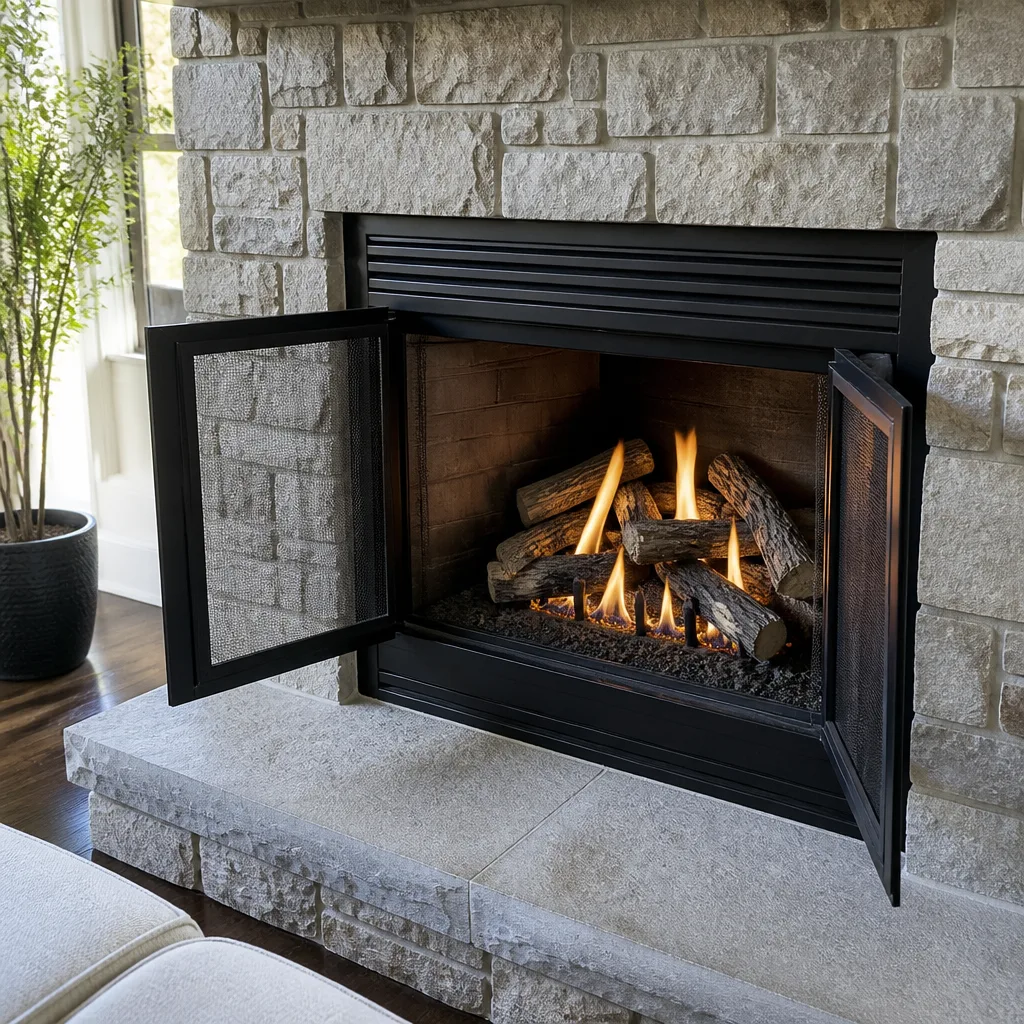 Gas fireplace service
Level 1 sweep and inspection to the NFPA 211 annual standard - flue, crown, cap, and flashing checked and photographed
Chimney sweep logs do not sweep chimneys. They loosen some creosote - which then falls where a brush and vacuum still have to collect it.
Seasonal Chimney Cleaning Care for Sandy Springs: Year-Round Homeowner’s Guide
Most chimney fires in the Atlanta metro don’t happen in January at peak use. They happen in October, the first cold weekend of the year, when a family lights the first fire in a flue that spent a humid Georgia summer accumulating moisture, nesting material, and condensed creosote. Sandy Springs sits in a climate zone where fireplaces are used intensively for just three to four months, but the chimney faces humidity stress, animal intrusion risk, and storm debris for the remaining eight. That means the off-season is where most preventable damage actually originates. This guide builds a twelve-month care rhythm tied to what Georgia weather actually does to masonry and flue systems, so you know what to check, when to act, and what can safely wait.
Quick Answer
Seasonal chimney care in Sandy Springs means one professional sweep and inspection in September or October before the first fire, a second lighter check in spring after burning season ends, and two or three simple homeowner visual checks in between. The most protective task you can do any time of year is confirm your chimney cap screen is intact: a missing or torn screen is behind the single most common emergency call we receive each November, when a family discovers a raccoon, squirrel, or bird nest in the flue. A Chimney Cleaning Cost Breakdown: The Sandy Springs Homeowner’s Reference for 2026 shows a standard sweep runs between $179 and $275 depending on flue height and creosote stage, and a full Level 2 inspection with camera runs between $350 and $500.
Styles & brands we work with
Table of Contents
- Why Georgia Weather Is Harder on Chimneys Than Most Homeowners Realize
- The Priority Sweep: Why September Beats May in Sandy Springs
- A Month-by-Month Chimney Care Calendar for Sandy Springs
- The Tree Canopy Factor: How Sandy Springs’ Urban Forest Changes Chimney Care
- The One Off-Season Task That Prevents the Most Emergency Calls
- What a Sweep Actually Costs in Sandy Springs in 2026
- How Often Should a Chimney REALLY Be Swept in Georgia?
- What Actually Happens If You Skip a Year (or Three)
Why Georgia Weather Is Harder on Chimneys Than Most Homeowners Realize
Sandy Springs doesn’t get the freeze-thaw cycles of Minnesota or the arid heat of Arizona, so homeowners here tend to assume their chimneys have an easier life. The opposite is true in one specific way: humidity. Georgia summers push relative humidity above 70% for weeks at a time, and that moisture works its way into brick, mortar, and flue liner material and stays there. When masonry holds moisture and then heats rapidly during the first fall fires, the water expands as steam and creates hairline cracks in the flue surface. Those cracks are where creosote bonds hardest, and where future moisture entry accelerates. It’s a cycle that compounds year over year in Sandy Springs more than in drier parts of the state.
Here’s what the four Georgia seasons each do to a chimney system:
- Summer (June through September): High humidity drives moisture into masonry, softening old mortar joints (spalling begins as small flakes of brick or mortar on the roof or ground). Animals look for nesting cavities. Creosote from last season sits in the flue, absorbing moisture and becoming acidic and more corrosive.
- Fall (October through November): Leaves, twigs, and pine needles accumulate on the chimney crown and in the cap screen if one is present. Squirrels and raccoons increase chimney intrusion attempts as overnight temperatures drop. This is the highest-risk season for first-fire incidents because the flue hasn’t been checked in seven or eight months.
- Winter (December through February): Frequent burning creates fresh creosote quickly, especially in the first weeks when fires are smaller and cooler. Temperature swings between warm days and freezing nights stress mortar joints. Heavy rain events cause water entry through any crown crack, which freezes and expands occasionally.
- Spring (March through May): Efflorescence (white mineral staining) appears on brick faces as the wall dries after winter moisture. Mortar joints left cracked over winter allow more rain penetration. Birds begin nesting in uncapped or poorly capped flues. Post-season soot and creosote sits through another humid summer unless removed.
Each of these seasonal stresses is manageable on its own. The problem arrives when they stack: a cracked crown from two winters ago lets water in during every spring rain, that water softens a mortar joint in July, and by October the flue has hairline gaps that a first fire turns into a hazard. We can trace most repair recommendations back to a specific season when the damage started, usually months before anyone noticed.
If you’re reading this before lining up your annual service, the Chimney Sweep in Sandy Springs page explains what a standard visit includes and what to expect from the crew while they’re in your home.
The Priority Sweep: Why September Beats May in Sandy Springs
More guides & resources often recommend a post-season sweep in spring, after the last fire. That logic works in climates where winter is long and burning is heavy: you remove the season’s creosote before it sits all summer, and the chimney rests clean until fall. In Sandy Springs, the spring sweep has real value, but it should be the secondary visit if you only book one per year. The pre-season sweep in September or early October addresses a risk the spring sweep cannot: everything that happened inside the flue while you weren’t burning for six months.
Here’s what a September sweep catches that an April sweep cannot:
- Summer animal activity. Squirrels, raccoons, chimney swifts, and even bats explore flues between May and September. A nest built in June blocks the flue in October.
- Storm debris accumulation. Atlanta’s thunderstorm season runs through August. Leaves, moss, and shingle grit collect on the crown and in the cap screen, and the first fire pushes any loose debris an animal or storm left into the smoke chamber.
- Moisture and creosote interaction. Last season’s creosote absorbs humidity through a humid Georgia summer and becomes denser, stickier, and more corrosive. May’s creosote is drier and simpler to remove; by October, it often requires more thorough mechanical brushing.
- Crown and flashing condition after summer storms. Summer wind and rain in Sandy Springs routinely dislodge a cap or loosen flashing. Discovering that after a big rain in November means water damage has already started.
A spring cleaning is still worthwhile if you burn heavily from December through February: it lets the flue rest clean through summer rather than letting acidic creosote sit on the liner for six humid months. For families who burn two or three times a week all winter, we often recommend both: a March or April sweep to close the season, and a lighter pre-season inspection in late September to confirm nothing moved in or fell on the chimney over the summer. For most Sandy Springs homes, one September sweep plus a homeowner’s visual check in spring covers the practical risk.
A Month-by-Month Chimney Care Calendar for Sandy Springs
This calendar is built around Sandy Springs’ actual first-use and last-use dates, which run roughly from mid-October to late March. National guides using New England or Midwest dates will be three to six weeks off for the typical Georgia household, and timing matters when animal activity and storm seasons are involved. Adjust by a week or two based on how early your household begins burning, but the sequence should hold.
January: Mid-Season Visual Check
Mid-winter is not the time for major work, but it is the time for a five-minute check. Look at the damper, look into the firebox after a fire has cooled, and look for changes: more dark glossy buildup than earlier in the season, any smell that has become stronger or sweeter, any smoke in the room. Glossy or tar-like creosote after only a month or two of burning indicates one of two things has changed: the fuel (unseasoned wood, different source) or the burning pattern (smaller, cooler fires). Both are inexpensive to correct now and expensive to ignore.
February: Heavy-Use Month, Watch the Ash
February tends to be the coldest month in metro Atlanta, and burning frequency peaks. More fires mean more ash, and ash depth changes airflow. Keep the ash bed under two inches; removing ash does not require a sweep, just a shovel and a metal bucket. Never dump ash into a paper bag or plastic bin, and never place it on a wood deck after a fire the previous night. Ash from a recent fire can hold embers for a day or more. Dampen the ash and place the bucket outdoors on concrete or stone away from the house.
March: Last-Fire Inspection
When you’ve burned your final fire of the season, usually in mid to late March in Sandy Springs, do a simple post-season assessment before closing the damper. Look for: white mineral staining (efflorescence) on the interior firebox walls, any bricks that have shifted, any new odors, and any apparent water staining around the damper. If any of these show up, call for a professional opinion rather than waiting until fall, because seven months of humidity will make each of them worse. If everything looks normal, schedule a spring sweep only if your winter burning was heavy, and otherwise mark your calendar for a September pre-season visit.
April: Crown and Cap Check from the Ground
You don’t need a ladder to assess most caps. From the yard or driveway, look for the cap sitting level, no visible gap between cap and crown, and no bird activity around the flue opening. If the cap appears tilted, missing, or bent, call sooner rather than later: April through August is when birds and squirrels in Sandy Springs are most actively seeking nesting spots, and an open flue is an invitation. If you can safely access a vantage point to see the crown, look for visible cracks or moss growth, both signs that water is lingering.
May: Nesting Season Peak
May is when chimney swifts, squirrels, and raccoons are most active in chimneys across Sandy Springs. If you hear chirping, scratching, or thumping from the flue during daylight hours, don’t attempt to remove an animal yourself. Blocking the flue from below can trap wildlife, and lighting a fire to “smoke out” an animal is dangerous and, in the case of protected species like chimney swifts, illegal. A professional can assess the situation, remove when lawful and safe, and install a proper cap and screen that prevents re-entry. This is exactly the call we take most often each spring.
June: Humidity Begins, Efflorescence Appears
June in Sandy Springs is when nighttime humidity sits above 80% and the first white mineral streaks appear on brick faces. Efflorescence is not structural damage itself; it’s a sign that water is moving through the masonry and depositing salt on the surface. It appears most often on the chimney chase above the roofline and on the interior firebox walls. If you see new efflorescence in June, the cause is usually water entry through a cracked crown or deteriorated flashing. Mark it for a professional look, and include it in your September service note so the technician checks the likely entry point rather than just cleaning the surface.
July: Storm Season, Debris Accumulation
Atlanta’s afternoon thunderstorm pattern peaks in July. Each storm drops leaves, pine needles, and small branches onto the chimney crown and cap screen. A single storm won’t matter much, but July typically brings fifteen or more storm days, and the accumulation by August is substantial. If your cap screen is already torn or missing, July storms push debris directly into the flue, where it forms a moisture-retaining plug that absorbs every humid day that follows. Check after severe storms: if you see branches on the roof, the chimney collected debris too.
August: The Pre-Season Scheduling Month
This is the single most action-oriented month on the Sandy Springs chimney calendar. Schedule your annual sweep and inspection now, for September or the first half of October. Waiting until the first cold weekend is the most expensive timing choice you can make: that’s when every chimney company in the metro is booked solid, and families light fires in flues that haven’t been touched since March. Book in August, and you walk into burning season with a written price, a confirmed time, and no pressure. If you want to pair the sweep with any looking at a Fireplace Repair in Sandy Springs issue you noticed during the off-season, August is the time to include that in the booking note.
September: The Pre-Season Sweep
The September sweep is the priority appointment on this calendar. The technician removes the full season’s debris and animal material, brushes creosote from the flue walls, checks the damper and smoke chamber, and – critically – confirms the cap and screen are intact for the winter ahead. If the sweep reveals wear, you have six weeks to schedule repairs before the first sustained cold. That runway is the practical reason the September sweep is more protective than the May sweep: a damaged component found in May sits through the summer getting worse, while one found in September can be addressed before freezing weather.
October: First Fire Protocol
After the sweep, the first fire is not the time to throw a full log stack on the grate. Burn a small, hot fire first and watch the draft: smoke should rise without spilling into the room, and the flue should warm quickly. If you notice any smoke backdraft, any new odor, or any animal sound that wasn’t detected during the sweep, stop burning and call before continuing. October remains the highest-risk month in Sandy Springs not because chimneys suddenly fail, but because small problems from the off-season reveal themselves at first use. The first fire is a test run, not an endurance run.
November: Cap Verification at Peak Raccoon Season
Raccoon intrusion calls spike in November across Sandy Springs as adults seek winter denning locations. A secure, well-fitted cap and intact screen is the only reliable prevention. If you hear movements in the flue in November, and the cap was verified in September, the animal has likely found a roof-level approach – check for a nearby branch that provides easy access and consider trimming limbs that overhang the chimney chase. The cap needs to be able to resist not just an animal climbing the chimney but one dropping onto it from above.
December: Peak Creosote Production Month
The first four to six weeks of a burning season produce creosote faster than any other period, for a simple reason: in December, fires tend to be shorter and cooler, often started more for ambiance than heat, and incomplete combustion produces more unburned particles. If you’re burning daily through the holidays, keep the fires reasonably sized and use seasoned hardwood. By late December or early January, if you’re burning daily, do a simple visual check of the firebox and lower flue for glossy black buildup, and consider a second low-cost sweep in January or February if you’re a heavy user. For most Sandy Springs families, one September sweep handles a typical three-month season.
The Tree Canopy Factor: How Sandy Springs’ Urban Forest Changes Chimney Care
Sandy Springs has one of the densest urban tree canopies in the Atlanta metro, with established oak, hickory, and pine stands throughout neighborhoods like Riverside, Dunwoody Panhandle, and Spalding Hills. That canopy is beautiful, but it changes chimney conditions in ways that rural guides and newer suburban developments don’t address. A chimney standing within thirty feet of a mature hardwood canopy collects several pounds more debris per year than an open-lot chimney, and the debris is different: pine needles slip through holes in a cap screen that would stop a leaf, and oak twigs wedge in cap corners where they then catch every other piece of material that follows.
The canopy affects more than debris volume. Overhanging branches provide squirrels and raccoons with an above-the-chimney route that avoids the roof edge; animals drop onto the crown rather than climbing up the side. That means a cap that’s secure against a climbing animal may not be secure against a descending one. Consistent shade also keeps the chimney crown and cap from drying out fully after each storm, which means timber and masonry surfaces in heavily tree-covered Sandy Springs lots support moss growth earlier in the year and stay damp longer. That moss holds moisture against mortar joints and accelerates the same crown cracking that shade prevents you from seeing clearly.
If your Sandy Springs home sits under heavy canopy, consider these adjustments to the standard calendar:
- Add a post-storm visual check after every severe thunderstorm in July and August. The chimney will collect heavy debris each time, and early removal is simpler than waiting until fall.
- Trim overhanging branches that sit within six feet of the chimney chase. Not just for animal access but for the continuous rain of small debris through summer and fall.
- Check the cap screen for pine needle penetration. Pine needles in Sandy Springs are fine enough to slip through standard screen mesh if wind-driven. A professional can advise whether your existing screen is coarse or fine enough for a high-pine lot.
- Expect the September sweep to include heavier debris removal than an open-lot neighbor. Your chimney may need brushing from above and below, which is normal here.
The One Off-Season Task That Prevents the Most Emergency Calls
The single most common emergency call we receive each November in Sandy Springs is the same one most homeowners assume will never happen to them: a family lights the first fire of the season, smoke backs into the room, and we find a nest, an animal, or a debris plug in the flue. The root cause in nearly every case is a chimney cap screen that was torn, missing, or never installed. The fix takes fifteen minutes of prevention but weeks of emergency scheduling and often several hundred dollars of removal and repair.
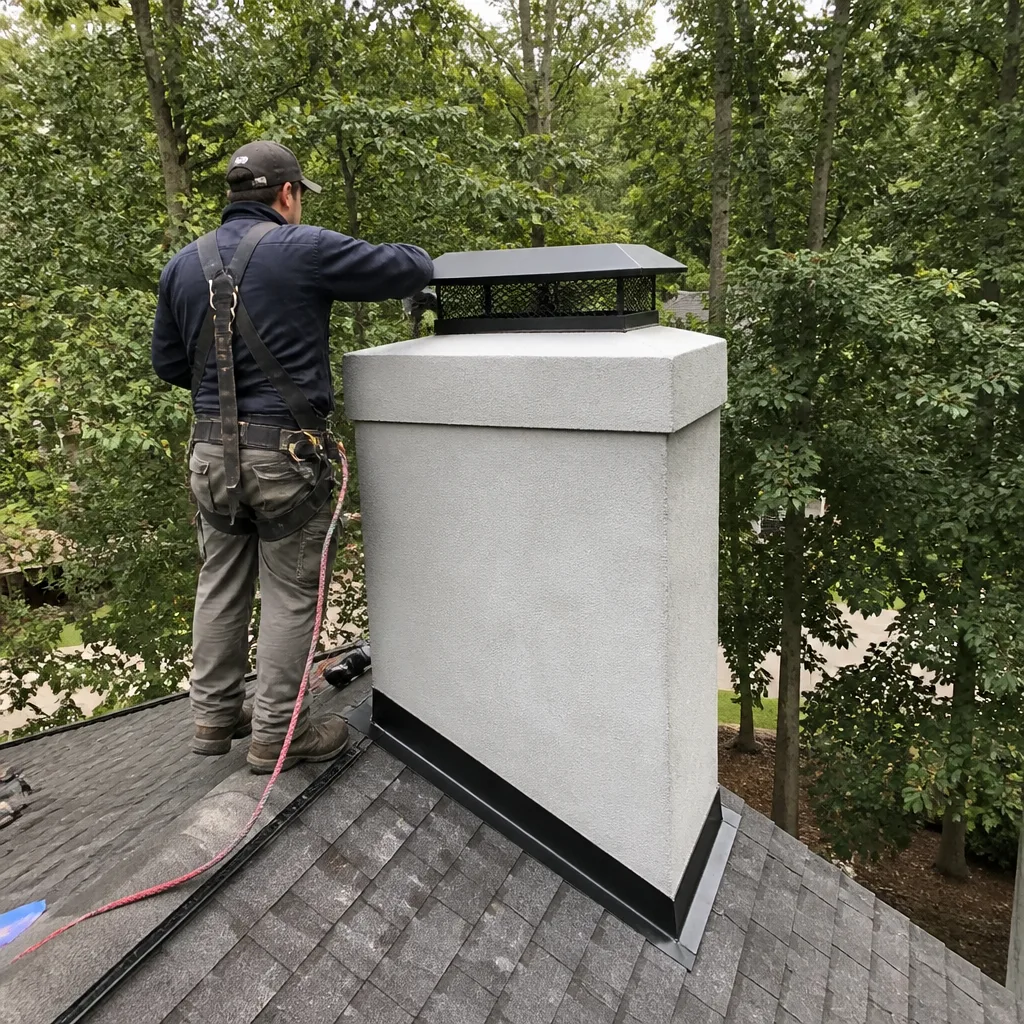
The off-season task is simple to describe: confirm your cap screen is intact. From the ground, you can see whether the cap is present and level. From a ladder placed against the house and not the chimney, if you’re comfortable with that, you can see whether the screen mesh has visible tears, gaps, or rust. If you prefer not to climb, ask the technician during your annual visit to photograph the cap and screen and show you the photo. That image is part of the clean-up documentation we provide on every visit.
One other task with an outsized payoff: open the damper briefly every six to eight weeks during the off-season. This lets you hear whether animals are present and check for debris fall. It also prevents the damper from rusting in place, which is a common issue in Sandy Springs’ humid summers. A damper that won’t open in October is an avoidable repair that a ten-second monthly check prevents.
What a Sweep Actually Costs in Sandy Springs in 2026
Chimney sweep pricing in the Atlanta metro has moved up in the past few years along with fuel, insurance, and technician wages, and Chimney Cleaning Permits, Codes & Inspections in GA: What You Need to Know explains why those regulatory costs matter. In Sandy Springs in 2026, a standard chimney sweep for a single-flue fireplace runs between $179 and $275. The range comes from a few concrete variables: flue height, creosote stage, and whether the chimney has been swept within the last two years. An un-swept flue that has accumulated glazed creosote over multiple seasons takes longer to clean thoroughly and falls at the higher end. A well-maintained flue swept annually falls at the lower end.
A Level 2 inspection with a camera runs between $350 and $500 in Sandy Springs, and it’s what we recommend when buying a home with a fireplace, when the chimney has gone unswept for three years or more, when animals have been removed, or after a chimney fire. The camera shows the interior flue surface and the smoke chamber, which is valuable when determining whether a liner repair is actually needed or the surface is still sound. If a liner is recommended, ask to see the camera images. A technician who recommends a liner should be willing to show you the evidence and walk you through what the camera reveals. Nothing should be recommended without camera evidence you can see for yourself.
Here’s what typical Sandy Springs chimney work runs in 2026:
- Standard chimney sweep: $179 – $275
- Sweep with Level 2 camera inspection: $350 – $500
- Chimney cap replacement with animal-proof screen: $200 – $450 installed
- Damper repair or replacement: $250 – $650
- Crown repair (minor crack sealing): $300 – $650
- Full stainless liner replacement: $2,800 – $5,500 depending on height and access
Every job we book includes a written price before any work begins, so the number you’re quoted is the number you’ll pay. No one should be discovering costs at the door. For a deeper look at what to expect on the day of service, see our Chimney Inspection in Sandy Springs page, which walks through what a technician checks and how the report is documented.
How Often Should a Chimney REALLY Be Swept in Georgia?
The short answer: once per burning season for most Sandy Springs homes, with the sweep scheduled in September or early October. That cadence is not based on a national recommendation but on two Georgia facts. First, the burning season here is shorter than in northern states, so a single annual sweep covers a full season’s creosote production. Second, the off-season is long and humid, and the spring-to-fall gap is when animals and debris claim the flue. One September sweep addresses both the previous season’s buildup and the off-season’s damage.
Some Sandy Springs households should sweep twice. Daily burners from December through February produce enough creosote that a January or February secondary sweep is justified. Homes that burn unseasoned wood or pine, which is common when people source firewood casually, should expect heavier creosote and may need the mid-season sweep. Homes where the fireplace is used only for decorative fires on holidays and special occasions can often stretch to every two years with a professional inspection in the gap year. The pattern of use is the controlling variable, not the calendar.
A note on what a sweep does and doesn’t do. A sweep removes creosote from the flue and smoke chamber, removes debris, and confirms the damper operates. It does not inspect the crown, flashing, or external masonry unless those are included. In Sandy Springs, where crown cracking and flashing deterioration are the most common structural issues we find, the external check matters as much as the internal cleaning. Ask whether the visit includes crown and flashing assessment when you book, so you’re not surprised that a needed repair wasn’t visible to the technician from inside the flue.
What Actually Happens If You Skip a Year (or Three)
Here’s what we see when a Sandy Springs home goes uncleaned for two or three seasons, in the order it typically appears.
Year one skipped: Creosote from the previous season sits through a humid summer and absorbs moisture. By fall, it’s denser and slightly more acidic than it was in March. The first fire produces more smell, and the chimney is harder to brush at the following sweep. The risk difference is small but real.
Year two skipped: Two seasons of creosote layers. The lower layer, aged two years and repeatedly wetted and dried, has begun to bond to the flue surface. The chimney draft is reduced, and smoke spills into the room more easily when the fire is starting. The sweep that follows takes longer and often requires mechanical tools rather than standard brushes. Moisture that entered through a developing crown crack has started to soften mortar in the smoke chamber.
Year three skipped: This is where major repairs begin. Glazed creosote is present in at least part of the flue and resists standard brushing. The chimney odor persists year-round rather than only when burning. Mortar joints show visible deterioration, efflorescence is widespread, and the cap screen has likely failed, allowing debris and possibly an animal to enter. Any recommendation for a liner at this stage is based on real camera evidence, and the repair bill is substantial compared with the three sweeps that would have prevented it.
The pattern is not meant to alarm; it’s meant to be honest about the compounding nature of chimney neglect in a humid climate. Most Sandy Springs families who miss a year don’t face emergencies. They face a larger cleaning bill and a longer service visit. Missing three or more years is when no-heat risks, smoke problems, and liner damage become the conversation. Scheduling a sweep once a year is the cheapest form of chimney insurance available.
Common Mistakes to Avoid
- Burning unseasoned or soft wood to save money. Wet wood and pine produce more creosote per fire, which means a heavier cleaning sooner and a greater long-term liner wear. Seasoned hardwood is cheaper over time because the chimney stays cleaner.
- Scheduling the sweep in mid-October or later. By the time the first cold weekend arrives in Sandy Springs, pros are booked and flues are lighting for the first time after seven humid months. August and September bookings capture all the benefit at lower stress.
- Relying on a log product instead of professional cleaning. Chemical log products can loosen light creosote, but they don’t remove animal material, debris plugs, or hardened creosote, and they don’t inspect the flue. They’re a supplement, not a replacement, for a sweep.
- Closing the damper hard and leaving it untouched all summer. The damper rusts in place, the flue can’t be checked by ear for animals, and spring humidity is trapped. Open it briefly monthly in the off-season.
- Ignoring a missing or torn chimney cap. A cap without an intact screen is an open invitation during nesting season, and the result is an emergency call in November. This is the cheapest fix with the highest avoidance value on this list.
- Removing animals or nests by attempting to smoke them out. Beyond the risk of fire and smoke damage, this traps wildlife and can be illegal for protected species. Call a professional for removal and proper cap installation.
See the difference
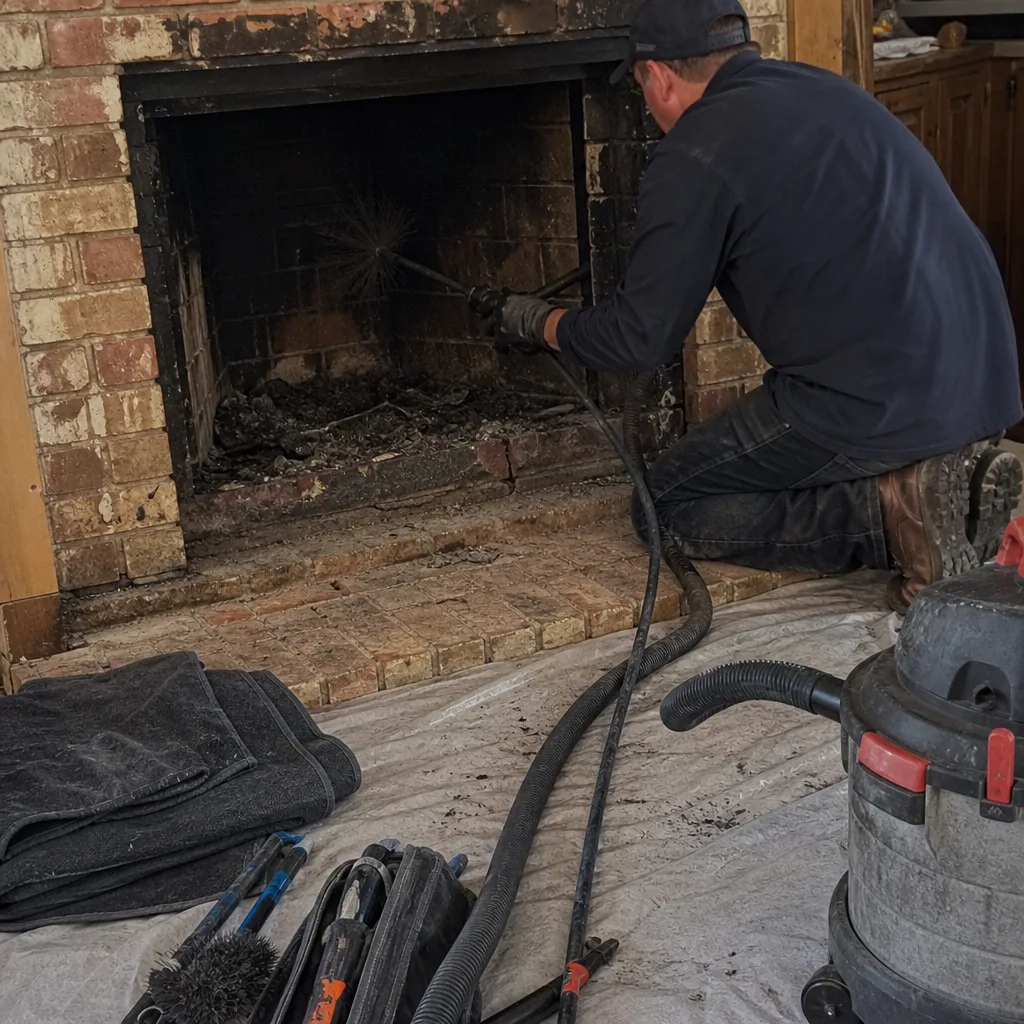 Before
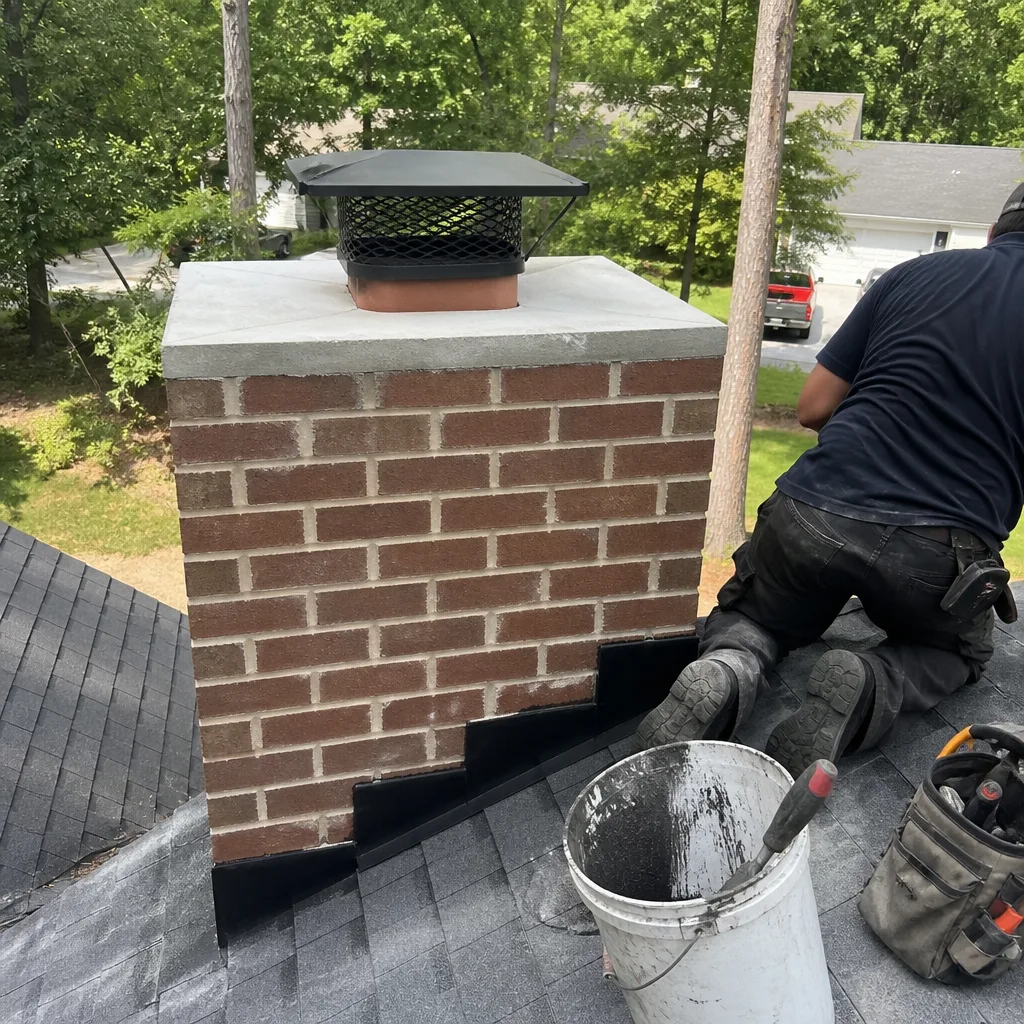 After
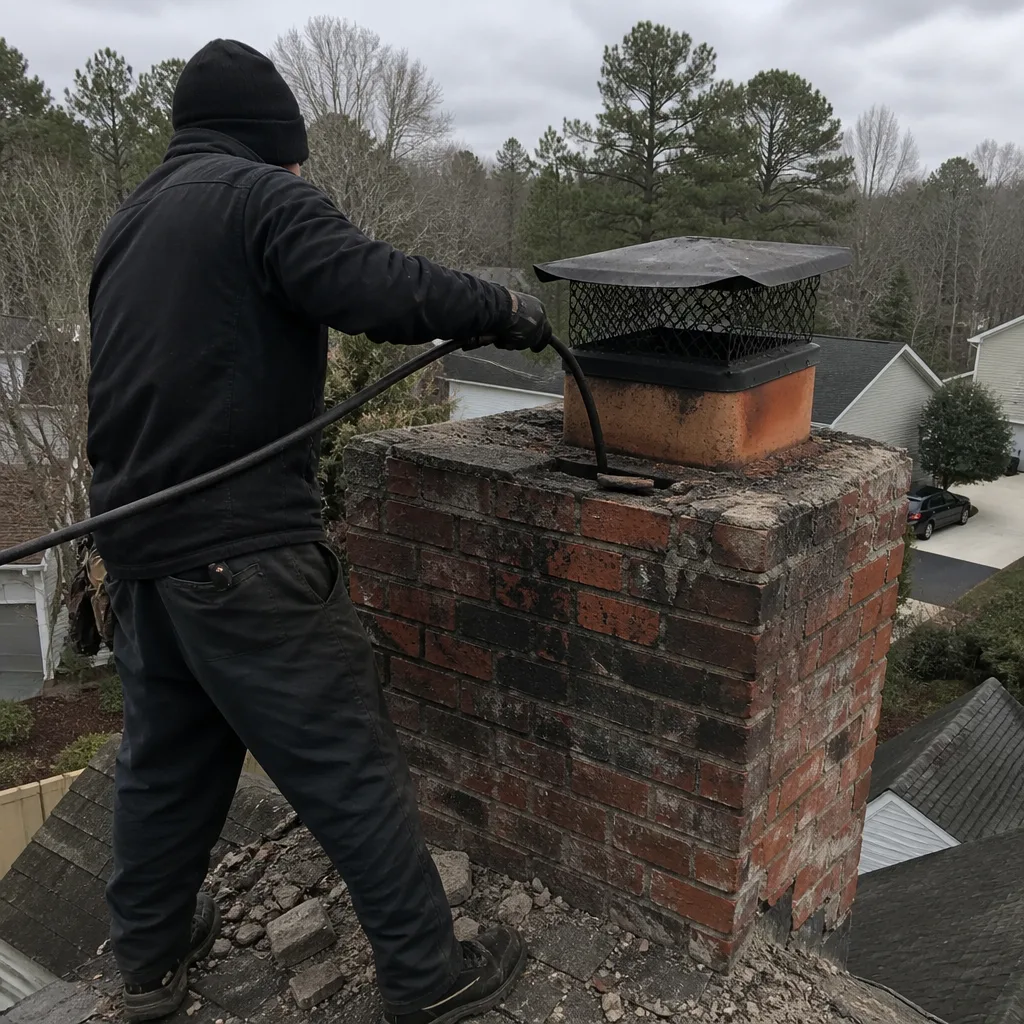 Before
 After
 Before
 After
When to Call a Professional
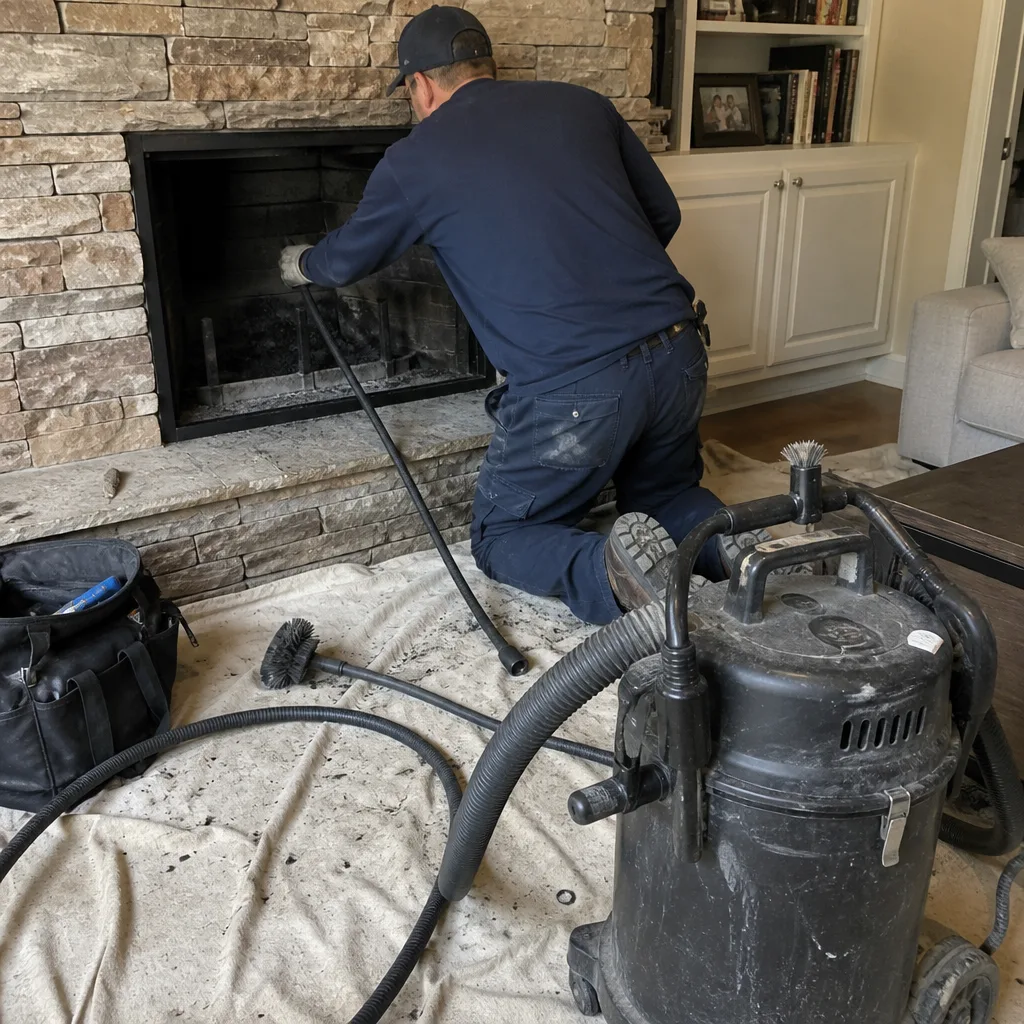
Call a professional chimney company when you hear animal movement in the flue, smell a strong campfire or chemical odor when the fireplace is not in use, see white mineral staining spreading on interior or exterior masonry, notice smoke backing into the room during fires, or can see a cracked or missing cap from the ground. Any of these is worth a service call, not a wait-and-see. Kindling Chimney Sandy Springs offers free estimates in Sandy Springs, writes the price before any work begins, and sends a uniformed, background-checked technician who covers floors with drop cloths before starting. Call (229) 459-1048 to book a sweep or inspection.
Frequently Asked Questions
A standard chimney sweep in Sandy Springs runs between $179 and $275 depending on flue height and creosote stage. A sweep paired with a Level 2 camera inspection runs between $350 and $500. Every Kindling Chimney Sandy Springs visit includes a written price before work begins, so the quote you receive is the final amount. Call (229) 459-1048 for an exact quote; estimates are free.
Schedule the sweep in September or the first half of October, before the first fire of the season. This timing catches off-season debris, animal activity, and summer storm damage before any of it becomes a first-fire hazard. Book in August to secure the slot and avoid the cold-weather rush.
For most Sandy Springs fireplaces, once per burning season is right, with the sweep in early fall. Homes that burn daily through winter or burn unseasoned wood may need a second mid-season sweep. Light use fireplaces can sometimes go two years with an inspection in the gap year.
Liner replacement is only needed when the existing flue surface shows cracks, gaps, or deterioration visible on a camera inspection, or when the liner is the wrong size or material for the appliance. If a technician recommends a liner, ask to see the camera images and have the findings explained. A sound flue doesn’t need a liner regardless of what a previous company may have said.
One missed year usually produces a heavier cleaning and more odor. Two missed years add reduced draft and a longer, harder sweep. Three or more missed years produce glazed creosote, potential animal intrusion, and often real liner or mortar damage. The compounding happens faster in Sandy Springs because each humid summer ages the existing creosote further. Call (229) 459-1048 to get current condition assessed before the season.
Yes, when the company uses the right process. Kindling Chimney Sandy Springs uses pet-safe products where there is a choice, and every technician covers floors with drop cloths and wears shoe covers on arrival. Nothing is moved without asking, and a photo of the clean-up is taken before the crew leaves, so you can see the condition the room was left in.
The Bottom Line
A chimney in Sandy Springs needs a twelve-month care rhythm, not a once-a-year obligation. The heavy risks come from the humid, animal-active, storm-prone off-season, not from the winter burn itself. One pre-season sweep in September, one spring visual check, a few months of simple damper and cap attention, and professional help when something changes are enough to keep the system safe and the repair bill low. What matters most is timing the service to Sandy Springs’ actual weather and burning calendar, asking to see evidence before any major recommendation, and booking early enough that the first fire of the season is never also the first check of the season.
Written by Danny Cortes, Owner at Kindling Chimney Sandy Springs, serving Sandy Springs since 2003. Return to the Kindling Chimney Sandy Springs home page or reach us directly at (229) 459-1048.