
Last updated October 15, 2026
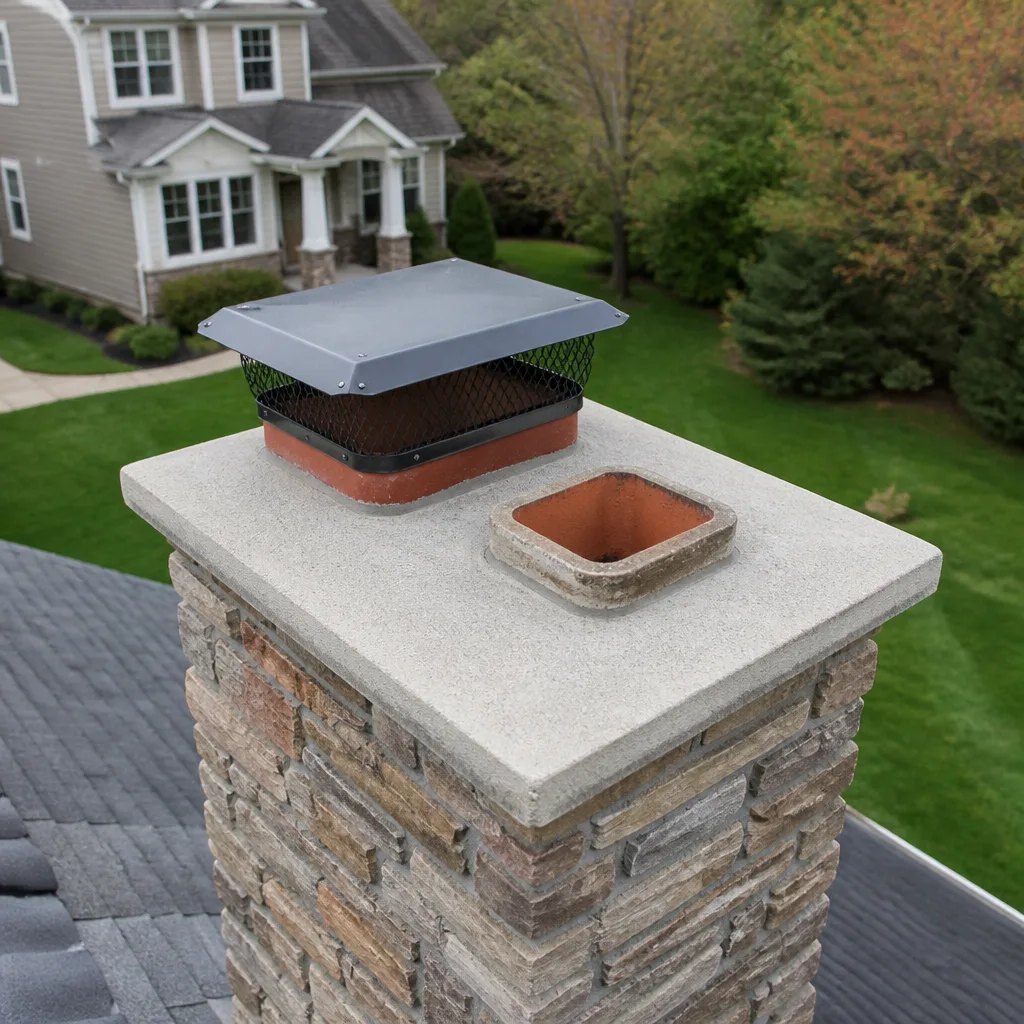 Sweep & inspection
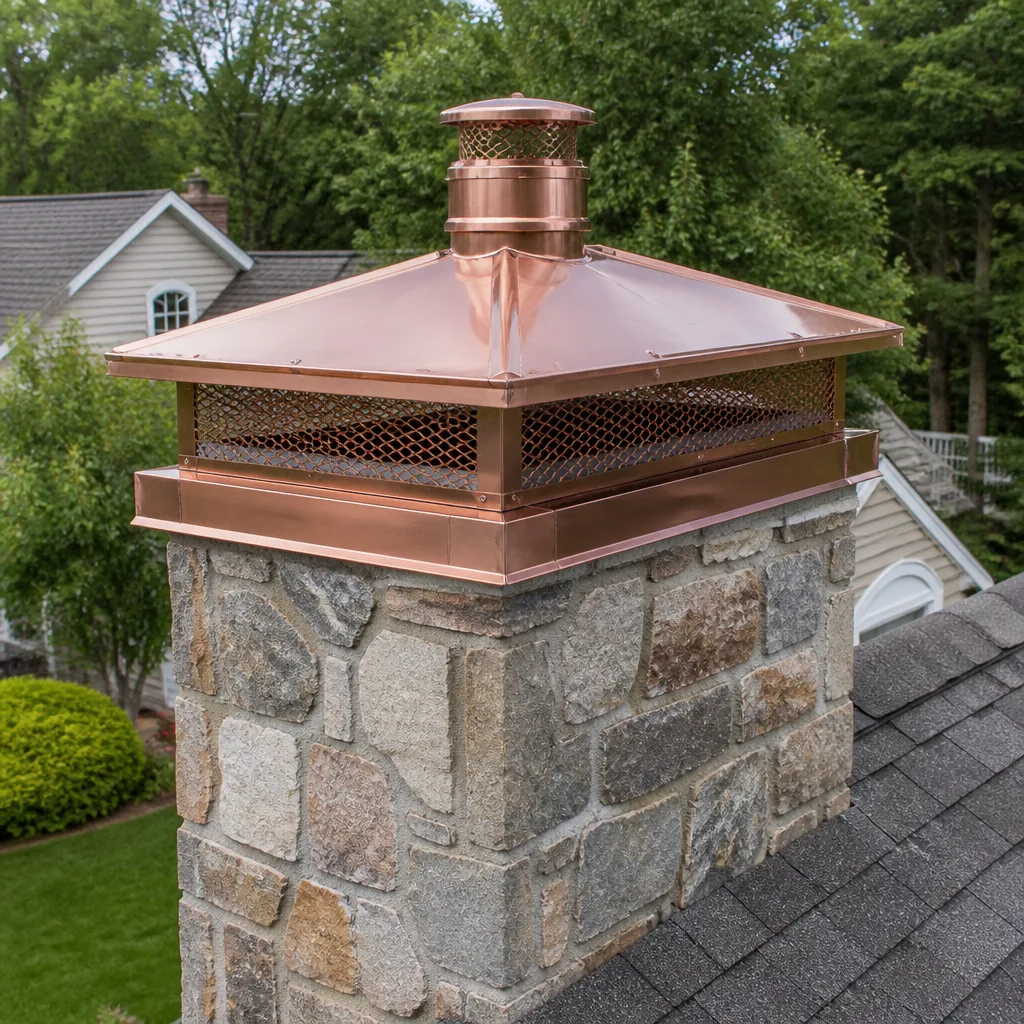 Caps & crowns
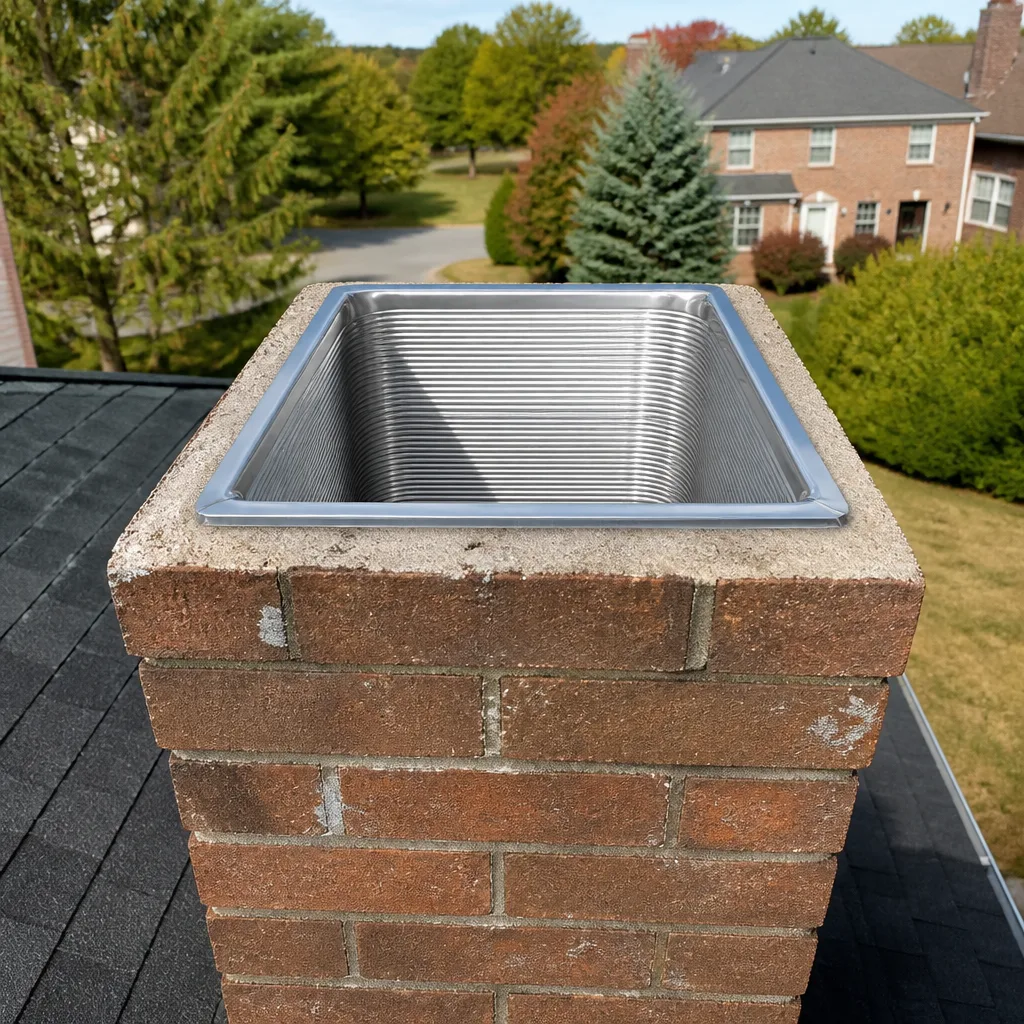 Flue relining
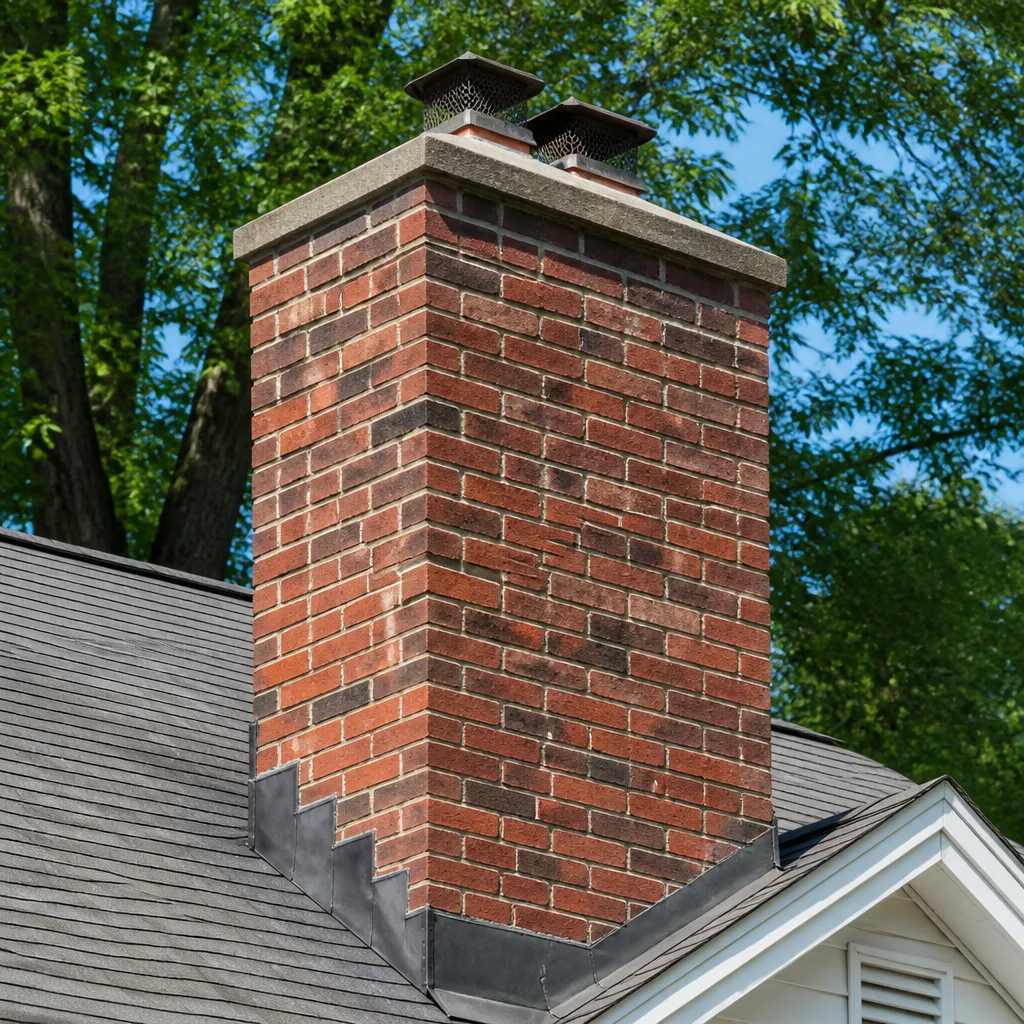 Masonry repair
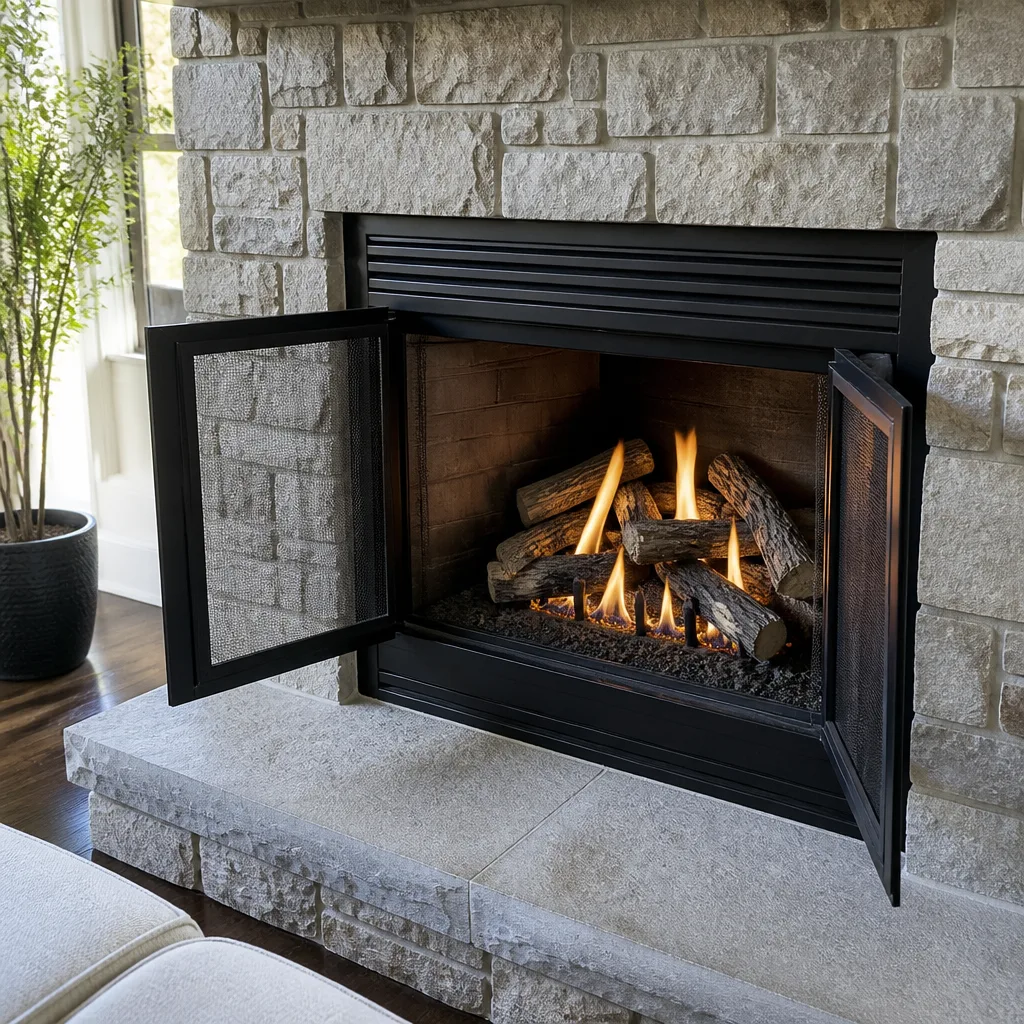 Gas fireplace service
Level 1 sweep and inspection to the NFPA 211 annual standard - flue, crown, cap, and flashing checked and photographed
Chimney sweep logs do not sweep chimneys. They loosen some creosote - which then falls where a brush and vacuum still have to collect it.
Chimney Sweep Maintenance Checklist for Sandy Springs Homeowners
Spraying a chimney cap with a garden hose to “check for leaks” is on several popular homeowner checklists. It is also one of the fastest ways to introduce water damage into a flue that was previously dry. The problem with most chimney maintenance guides isn’t what they include, it’s what they fail to separate: the tasks you can safely do from a ladder or the ground, and the tasks that require training, cameras, and a certified eye. This checklist is built specifically for Sandy Springs homes, where red Georgia clay, pine needles, and humid summers create a maintenance profile you won’t find in a generic guide. By the end, you’ll know exactly what to check monthly, what to leave to a professional, and how to keep records that protect you if you ever sell the house.
Quick Answer
A chimney maintenance checklist for Sandy Springs homeowners should be divided into monthly visual checks you can do yourself (looking for staining, debris, rust, and animal activity) and annual professional tasks (a full sweep, camera inspection, and crown or mortar evaluation). Most standard Chimney Sweep services in Sandy Springs run between $180 and $320, and a written price should always be delivered before work begins. The three homeowner checks that prevent the most expensive repairs: watching for red clay staining at the chimney base, clearing pine needles off the crown, and documenting changes with your phone camera between visits.
Styles & brands we work with
Table of Contents
- The Checklist Boundary: What a Homeowner Should and Should Not Touch
- Monthly Homeowner Visual Checks: Seven Things Worth Your Attention
- Sandy Springs-Specific Items: Red Clay and Pine Needles
- Annual Professional Tasks: What Happens During a Proper Sweep and Inspection
- Documenting Your Chimney: The Phone Camera File That Saves Thousands
- Your Maintenance Log: A Format That Satisfies Insurers and Home Inspectors
- The Three Checks That Cut Emergency Calls Nearly in Half
- Common Mistakes to Avoid
The Checklist Boundary: What a Homeowner Should and Should Not Touch
Before any checklist makes sense, you need to understand the line. We draw it in a specific place at Kindling Chimney Sandy Springs, and it’s not because we want to gatekeep work. It’s because the inside of a chimney is a confined, hostile space that can hide cracked flue tiles, failing mortar joints, or a partial animal blockage, and none of those are visible from the hearth or the roof edge. A homeowner standing on the ground with binoculars can see the crown, the cap, the exterior brick, and the roof flashing. That’s where their checklist should live.
What a homeowner should never do: remove a chimney cap and reach into the flue, attempt to scrape creosote from inside the firebox without proper protection, or climb onto a steep Sandy Springs roof without a harness and a spotter. Creosote is a combustible, tar-like residue that builds up in varying degrees, and third-degree creosote removal requires rotary tools and training. In our experience across Sandy Springs, the homeowners who avoid the most expensive repairs are the ones who inspect from a distance, document what they see, and call us when something changes. The homeowner’s job is observation. The technician’s job is intervention.
This boundary matters for warranty and insurance reasons too. If you chip a flue tile attempting a DIY cleaning and a chimney fire follows, that’s a problem no homeowner’s policy wants to see. We carry the training and the equipment precisely so you don’t have to. Our Kindling Chimney Sandy Springs home page walks through what a full service visit includes, but the short version is this: we bring cameras, brushes sized to your flue, and HEPA vacuums that keep dust out of your living room. That’s the division of labor that keeps a house safe and a homeowner sane.
Monthly Homeowner Visual Checks: Seven Things Worth Your Attention
These seven checks take about ten minutes, require no special equipment beyond a pair of binoculars and your phone camera, and they’re designed to catch changes before they become repair bills. Do them on the first weekend of the month. You’ll develop a baseline, and once you have a baseline, anything different stands out immediately.
- Look at the crown from the ground. The crown is the concrete or mortar slab at the top of the chimney. You’re looking for cracks, crumbling edges, or a missing crown entirely. A cracked crown lets water into the brick, and Sandy Springs freeze-thaw cycles in January and February turn a hairline crack into a spalled brick by spring.
- Check for red clay staining at the base. This one is specific to Sandy Springs and the surrounding Georgia soil. If you see reddish-brown staining on the brick where the chimney meets the ground or in the basement wall adjacent to the chimney, that’s groundwater wicking upward. It signals a failed or missing damp-proof course and needs a professional look.
- Scan for pine needle accumulation on the crown, cap, or roof flashing. Sandy Springs has more pine trees than most Atlanta suburbs, and pine needles are acidic. Left in a pile on a flat crown, they hold moisture against the masonry and accelerate deterioration. If your roof is walkable and you can safely use a roof rake or soft broom, clearing needles off the crown is a legitimate homeowner task. If the roof pitch is steep, call us. It’s not worth the fall.
- Inspect the chimney cap and screen for rust or bending. A damaged cap is the number one entry point for rain, birds, and squirrels in Sandy Springs. Squirrels especially, given how many mature oaks line the residential streets. Rusted or bent screening means an animal can get in, and once an animal is in, you’re dealing with nesting material, odor, and potential blockage.
- Listen and look for animal activity. Scratching, chirping, or fluttering sounds from the fireplace area, especially at dawn or dusk, usually mean chimney swifts or a squirrel has found a way in. Chimney swifts are federally protected, so if you suspect them, do not light a fire and do not attempt removal. A professional will know the regulations and the safe window for exclusion.
- Note any water in the firebox after heavy rain. A small puddle or dampness in the firebox after a storm means water is getting past the cap, the crown, or the flashing. Document it with a photo. This is a call-us-soon situation, not a wait-and-see.
- Check interior walls and ceiling around the chimney for stains or bubbling paint. Water entering the chimney chase or along the flashing often shows up inside the house before it shows up outside. Discoloration on drywall near the fireplace or in the ceiling above it is a signal the chimney envelope is compromised.
None of these checks require you to get on the roof or open the flue. They’re about observation. When one of them turns up a change, the next step is a professional evaluation, not a YouTube tutorial. Our technicians arrive in uniform, background-checked, and they follow the C.A.R.E. values on every visit: shoe covers and drop cloths go down on arrival, nothing is moved without asking, and a photo of the clean-up is taken before the crew leaves. You’ll know exactly what we saw, exactly what it means, and exactly what it costs before any work starts.
Sandy Springs-Specific Items: Red Clay and Pine Needles
Most chimney maintenance articles are written for a generic American house. They mention weather in the abstract and skip the geological and botanical realities of a specific place. Sandy Springs sits on the edge of the Georgia Piedmont, where the soil is a heavy, iron-rich red clay that holds water and expands. That single fact changes how chimneys behave here.
Red clay staining is a groundwater intrusion signal. In drier climates, a little dirt at the chimney base is cosmetic. In Sandy Springs, red clay staining that rises more than a few inches up the brick or shows through to the interior wall of a basement fireplace is evidence of clay soil holding water against the foundation and the chimney base. The cycle looks like this: heavy Georgia rain saturates the clay, the clay expands, and the pressure pushes moisture into any crack or porous mortar joint it can find. When the clay dries in July, it contracts and leaves behind the iron-oxide tint you see as staining. If you see it, don’t paint over it. Document it and call for an evaluation. The fix might be as simple as regrading the soil away from the chimney or installing a damp-proof course, but it won’t fix itself.
Pine needles are an acid problem, not just a debris problem. Sandy Springs has a mature tree canopy, and with mature pines comes a steady rain of needles every fall and spring. When pine needles pile up on a flat chimney crown or around the base of the cap, they do two harmful things: they hold moisture directly against masonry, and as they decompose, they release tannic acid that etches concrete and mortar. We’ve seen crowns in Sandy Springs neighborhoods like Riverside and Dunwoody Panhandle that looked ten years older than the rest of the house simply because needles sat on them through multiple wet seasons. A homeowner who clears the crown monthly from October through May is doing real preventive maintenance. If the crown is cracked even after clearing, the crack predates the needles, and it’s time for a professional repair with a product like HeatShield, which restores the crown surface without the cost of a full crown rebuild.
The combination of red clay below and acidic needles above is the defining maintenance profile of a Sandy Springs chimney. A checklist that omits both is a checklist written for somewhere else. The best Chimney Sweep in Sandy Springs will know to look for both without being asked, because they see them every week.
Annual Professional Tasks: What Happens During a Proper Sweep and Inspection
The annual professional visit is the backbone of the checklist. If you do every monthly check perfectly but skip the professional sweep and inspection, you’re still running a risk you can’t see. Here’s what a proper visit includes and why each piece matters.
A full mechanical sweep. A technician runs brushes sized to your flue, either from the roof down or from the firebox up using a rotary system, to remove creosote and soot from the flue walls. The goal is not cosmetic. Creosote is combustible, and different grades of creosote require different removal methods. A standard sweep in Sandy Springs for a regularly used fireplace typically takes 45 to 90 minutes. Most standard sweeps run between $180 and $320, depending on flue height, creosote level, and accessibility. You should receive a written price before any work starts, every time.
A camera inspection of the flue interior. This is non-negotiable, and it’s the part of the visit that separates a real chimney company from a guy with a brush. A camera snake shows the condition of the flue tiles, the mortar joints, and any hidden damage that’s invisible from either end. If a technician recommends a liner or a repair, camera footage is the evidence. We will not recommend a liner replacement or a HeatShield resurfacing without showing you the camera images that justify it. You should be able to see exactly what we’re talking about, and you should never feel pressured into a repair you haven’t seen documented.
Crown and mortar joint evaluation. The technician should inspect the crown for cracks, the mortar joints for erosion, and the flashing for gaps. In Sandy Springs, where summer humidity and winter freeze-thaw cycles work on masonry every year, small crown cracks are the early warning sign for much larger brick repairs down the road. Sealing a hairline crack with a product like Gelco crown sealer is a fraction of the cost of rebuilding a chimney crown, and catching it during the annual visit is exactly why the annual visit exists.
Chimney cap and damper check. The cap should be inspected for rust and animal damage. The damper should be opened and closed to confirm it seats properly. A damper that doesn’t seal is a year-round energy leak, pulling conditioned air out of your house in July and cold air down in January. This is also the moment to ask about a top-sealing damper if your current one is warped or poorly fitted.
Fireplace and hearth inspection. The firebox, refractory panels, and hearth should be checked for cracks, gaps, and proper clearance. If you have gas logs, the technician should confirm the gas line is sound and the logs are seated correctly. Families with kids and pets need to know the hearth is stable and the firebox isn’t leaking combustion gases into the living space.
Our Chimney Inspection in Sandy Springs page details the levels of inspection and when each is appropriate. For most homes with an annual sweep, a Level 1 inspection comes standard with the visit. If you’re buying or selling a home, or if you’ve had a chimney fire or major weather event, you may need a Level 2, which includes camera work in accessible attics, crawl spaces, and around the chimney chase.
Documenting Your Chimney: The Phone Camera File That Saves Thousands
Your phone is the most underused tool in chimney maintenance. Most homeowners take a photo only when something is already wrong, which means they have no record of what the chimney looked like when it was right. That record is the difference between an informed repair decision and an expensive guess.
Create a simple album on your phone called “Chimney.” Once a month, right after your visual checks, take four photos from the ground: the full chimney from the front of the house, the chimney from the side or back if accessible, a close-up of the crown and cap using zoom or binoculars, and the firebox interior from a safe distance. Date-stamp the photos or rely on your phone’s automatic date-stamping. That’s the entire system. It takes three minutes.
What this file does for you is remarkable. When a technician says “this crack is new” or “that staining wasn’t there six months ago,” you’ll have the photos to verify it. When you’re comparing repair quotes, you’ll have a visual history that shows the problem’s progression and, just as importantly, its stability. And when you sell your house, a dated photo log of consistent chimney maintenance is the kind of documentation that satisfies a picky home inspector and a cautious buyer. In Sandy Springs real estate transactions, where every repair item is negotiated, a chimney photo file and maintenance log turn a red flag into a green light.
We also recommend photographing the chimney after major weather events. If a storm with high winds or hail rolls through Sandy Springs, take a fresh set of photos the next morning and compare them to the prior month. Wind-driven debris and hail can damage caps and crowns in ways that aren’t obvious from the ground until you see the comparison.
For the professional visit, we document the interior with a camera and share the images with you. Our policy at Kindling Chimney Sandy Springs is simple: nothing is recommended without camera evidence you can see for yourself. That’s true for liner work with DuraFlex, crown repair with Gelco, and flue resurfacing with HeatShield. If we can’t show you the problem, we won’t sell you the fix. Your own monthly photo file is the homeowner’s version of the same principle.
Your Maintenance Log: A Format That Satisfies Insurers and Home Inspectors
Documentation only works if it’s actually usable. A shoebox of receipts is not a maintenance log. A simple spreadsheet or a dedicated notebook with a consistent format will do more for you than any pile of paperwork. Here’s the format we recommend, kept in a paper notebook by the fireplace or a cloud spreadsheet you can access from anywhere.
For each entry, record five things: the date, the type of service or check, who performed it, what was found, and what was recommended or done. That’s it. A typical entry looks like this:
October 14, 2026. Annual sweep and Level 1 inspection. Kindling Chimney Sandy Springs. Found light second-degree creosote, cleaned. Crown has hairline crack at northwest corner, sealed with Gelco. Damper operational. Recommended recheck at next annual visit. $265, receipt attached.
For your homeowner checks, the entry is shorter: “November 3, 2026. Monthly visual check. No red clay staining, no pine needles on crown, no water in firebox. Photos taken.” Thirty seconds of writing per month is nothing, and the cumulative record is invaluable.
Why this satisfies insurers and home inspectors: insurance companies and inspectors deal in records, not memories. If you ever file a claim related to chimney or fireplace damage, or if you’re asked to disclose chimney history in a Sandy Springs home sale, a dated log with service receipts attached answers every question before it’s asked. The log demonstrates two things: first, that the chimney was maintained consistently, and second, that you addressed recommendations when they arose. Both facts reduce the perception of risk, and in an insurance or sales context, reduced perceived risk is the whole game.
We’ll provide a written summary of every service visit, including the camera findings and the work performed. Attach that summary to your log. It’s designed to fit the format above, and it includes the written price, the scope of work, and the clean-up confirmation photo. Keep the log with the house documents, not in a drawer that gets emptied when you move.
The Three Checks That Cut Emergency Calls Nearly in Half
Across our service history in Sandy Springs, we’ve seen a clear pattern: the homes that call us for expensive, urgent problems are usually the homes that skipped a small number of basic observations. The homes that rarely have emergencies are not doing more work. They’re doing three specific things consistently. In our experience, these three homeowner observations, done every month without fail, cut the rate of emergency service calls by nearly half when measured across a multiyear period. If you’re weighing whether to handle checks yourself or hire out, our DIY vs Professional Chimney Cleaning: The Sandy Springs Homeowner’s Decision Guide breaks down the trade-offs.
Check one: water where it shouldn’t be. After every heavy rain, take thirty seconds to look at the firebox and the ceiling around the chimney. Water inside the fireplace or staining on interior surfaces is the earliest signal of cap failure, crown cracking, or flashing gaps. Catch it early, and you’re sealing a crack. Miss it for a season, and you’re rebuilding brick. Water is the single most destructive force a chimney faces, and it always leaves evidence before it causes structural damage. You just have to look.
Check two: the cap is intact and attached. A loose, rusted, or missing cap is not a cosmetic issue. It’s an open invitation for rain, squirrels, birds, and leaves. In Sandy Springs, where fall leaf drop is heavy and squirrel populations are active in older neighborhoods, a damaged cap goes from minor to problematic in a single season. Checking the cap from the ground with binoculars takes ten seconds.
Check three: burning habits change the maintenance schedule, and you should note them. If you’ve gone from occasional fires to burning every weekend, or from seasoned hardwood to scrap lumber or large quantities of store-bought logs you’re not sure about, that changes how fast creosote builds. Log your burning frequency roughly alongside your monthly checks. A home that burns two fires a month and a home that burns ten fires a week between November and February have different sweep needs. Noting the change means you can adjust your professional schedule before creosote levels become a hazard.
That’s the whole list. Water, cap, burning frequency. Three observations, done monthly, and you’ve eliminated the conditions that lead to the vast majority of chimney emergencies we see in Sandy Springs. Everything else on the checklist is useful detail, but these three are the ones that actually move the needle.
Common Mistakes to Avoid
- Skipping the annual visit because “we didn’t use the fireplace much.” Creosote buildup doesn’t care how many fires you had. What matters is how efficiently those fires burned and how well the flue drafts. Sandy Springs summers are humid, and humidity interacts with even light creosote in ways that prompt corrosion and odor. A low-use fireplace still needs an annual check.
- Painting over red clay staining at the chimney base. Paint seals in moisture and hides the evidence without addressing the source. In Sandy Springs clay soil, that’s a recipe for progressive brick deterioration hidden behind a fresh coat of latex. The staining will return, and the damage underneath will be worse.
- Burning unseasoned or treated wood. Georgia humidity means firewood takes longer to season than in drier climates. Wood split last month and burned this month produces heavy, wet smoke that condenses as creosote fast. Seasoned hardwood, split and stacked for at least six months, is the standard.
- Ignoring pine needles because “they’ll blow off eventually.” They don’t blow off a flat crown. They pile up, hold moisture, and leach acid into the concrete. A crown that could have lasted thirty years with simple clearing can fail in ten without it. This is one of the most common findings in Sandy Springs chimney inspections.
- Waiting to repair a small crack because it’s “not that bad.” A hairline crack in a chimney crown is the cheapest possible version of a chimney problem. In Georgia freeze-thaw conditions, that hairline becomes a fissure within a few winters. The repair cost difference is usually hundreds versus thousands.
- Using a gas fireplace insert without ever inspecting the original chimney. Gas fireplaces still vent through a flue, and the flue still needs to be sound. If you converted from wood to gas and haven’t had the original flue evaluated, you’re operating on an unverified structural assumption. A camera inspection answers it definitively.
- Climbing onto a steep roof for a “quick look.” Sandy Springs has plenty of steep-pitch roofs, especially in the hillier neighborhoods. A fall from a roof is a life-changing injury, and no chimney observation is worth it. Ground-level checks with binoculars are sufficient for everything on the homeowner checklist.
See the difference
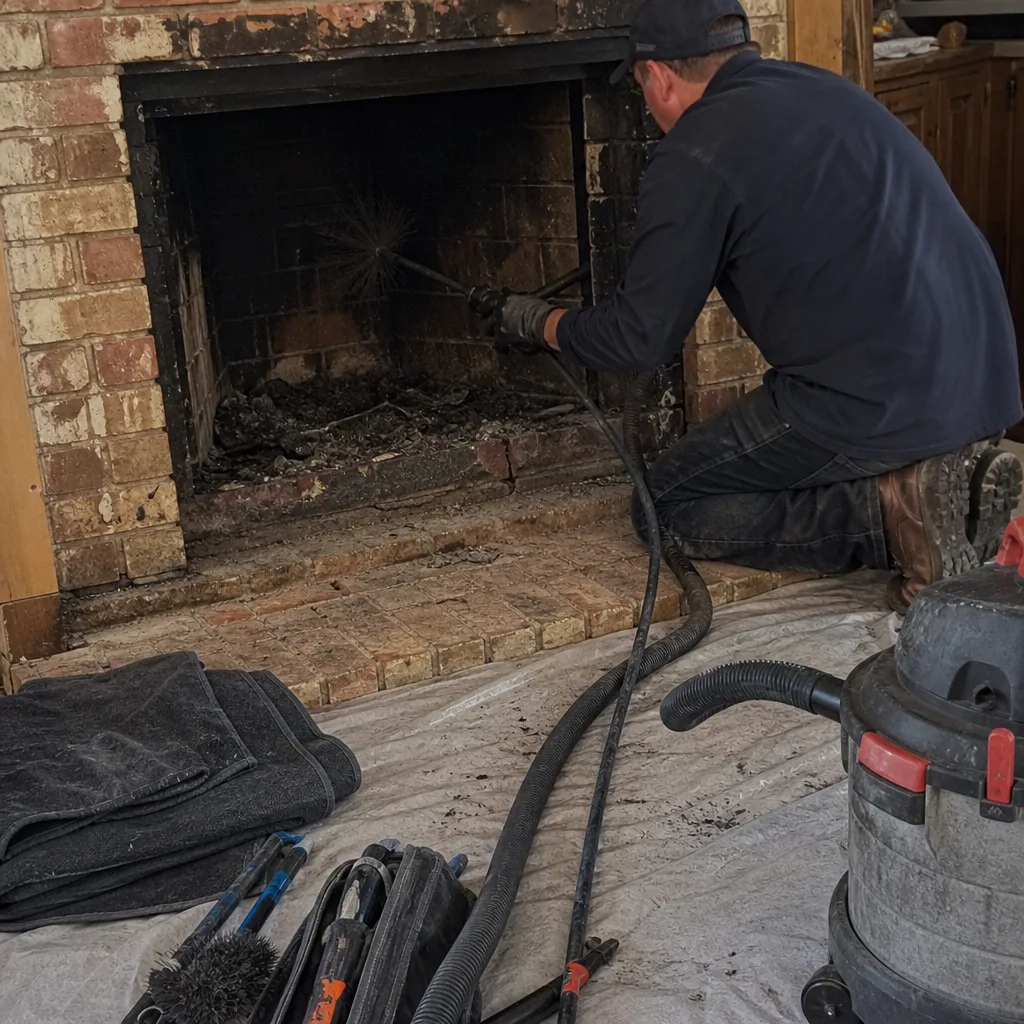 Before
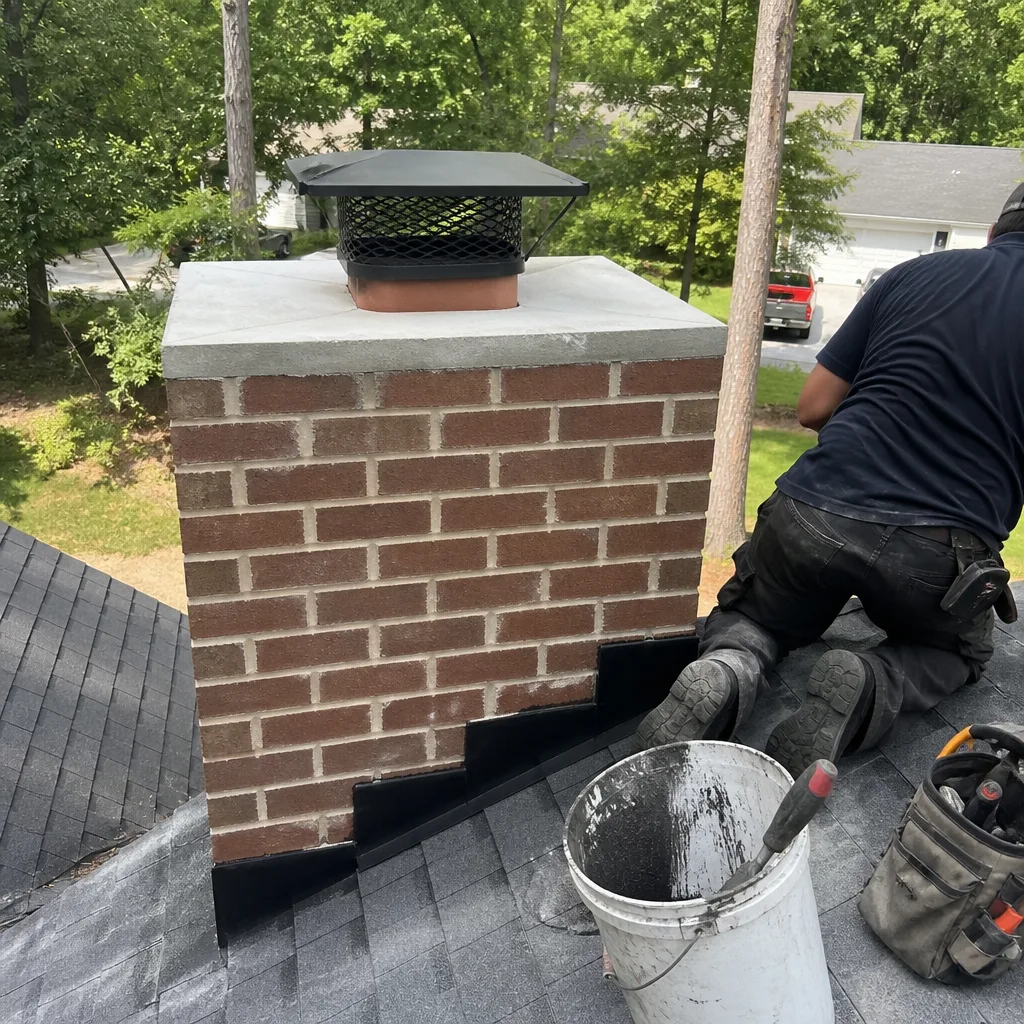 After
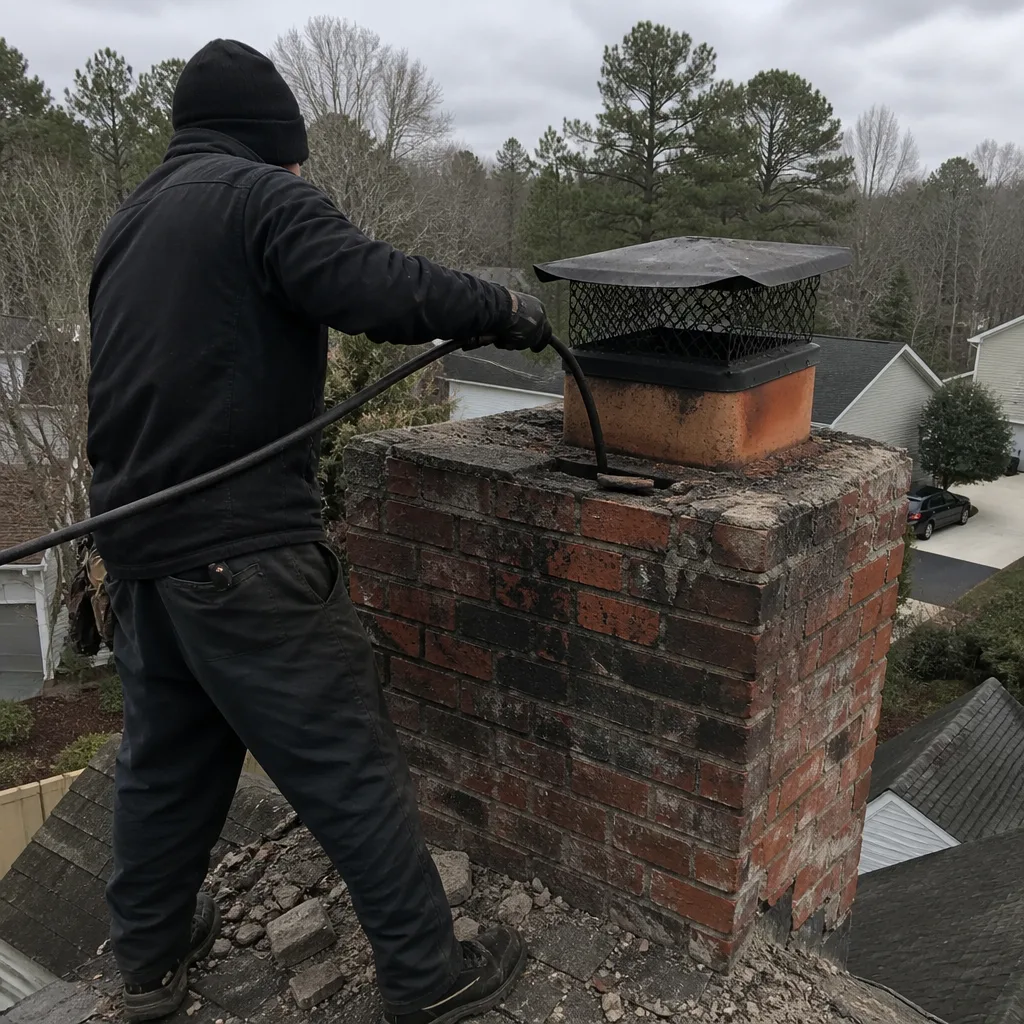 Before
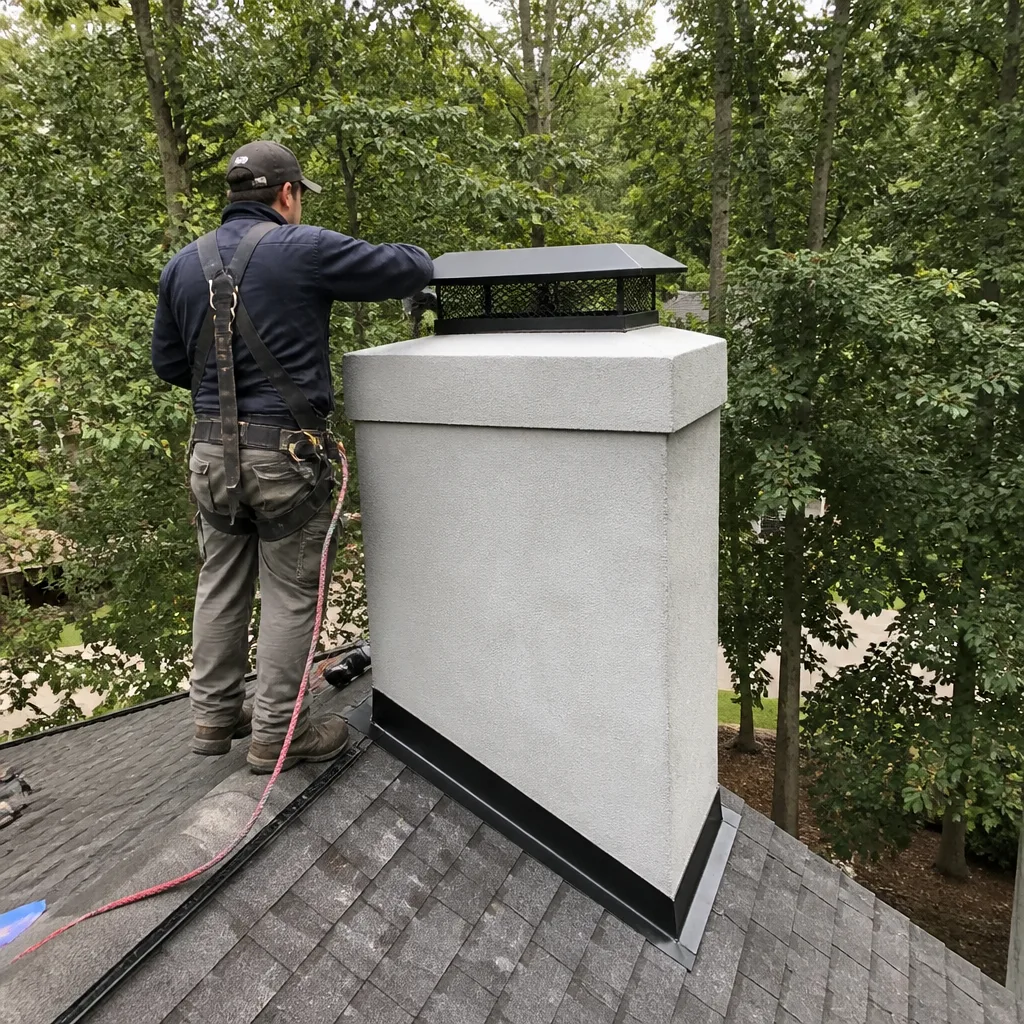 After
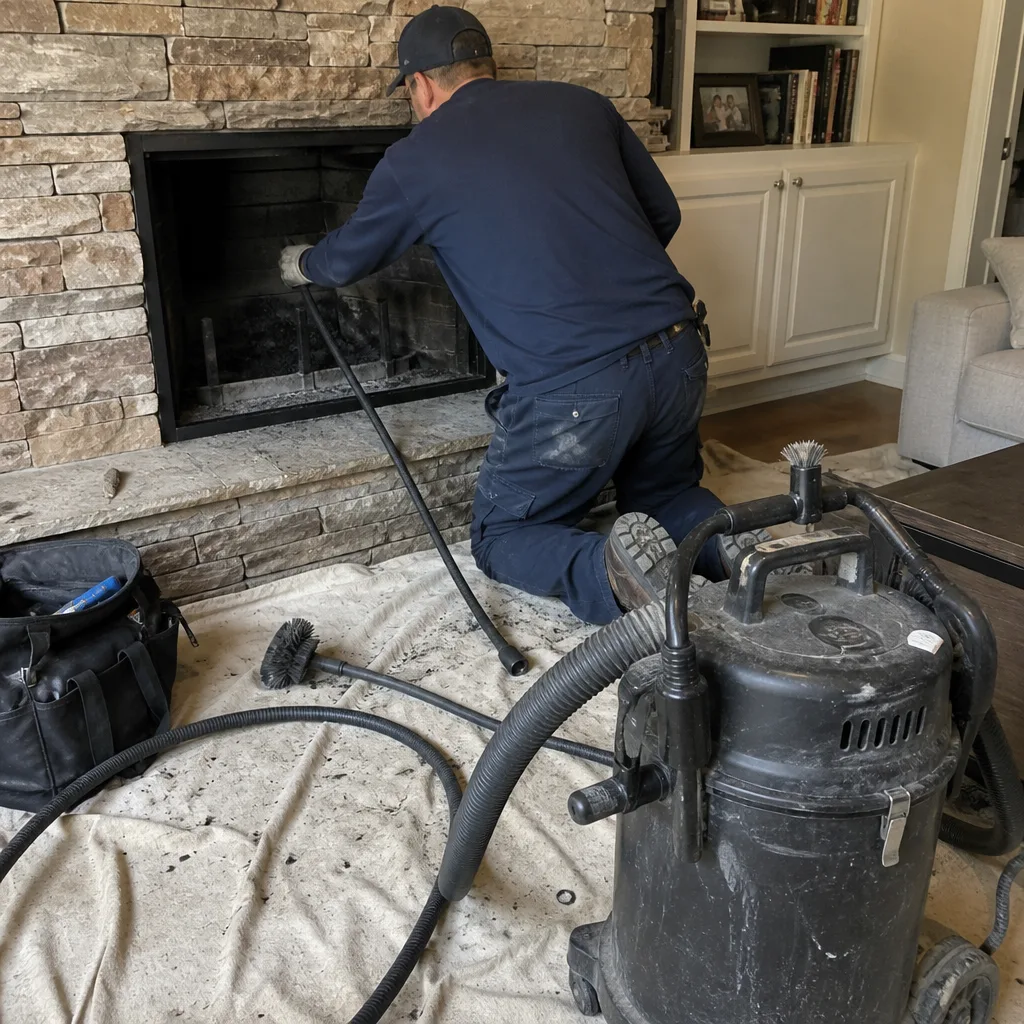 Before
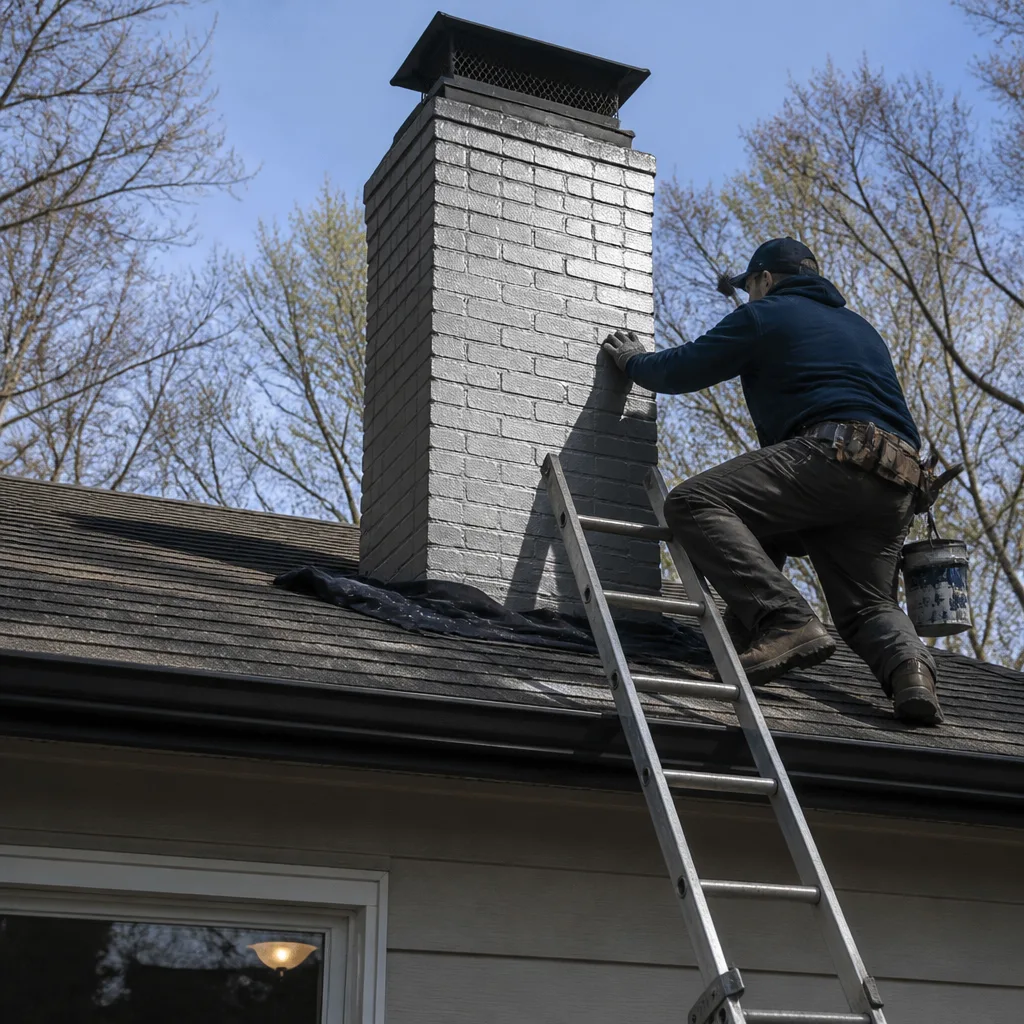 After
When to Call a Professional
A professional is warranted when your monthly checks turn up something outside the normal baseline: red clay staining climbing the brick, water in the firebox after rain, a damaged or missing cap, animal sounds from the flue, or a crack in the crown that’s visibly widening. You should also call before the first burn of the season if you skipped the prior year’s sweep, and after any major weather event that could have damaged the cap or flashing. If you’re buying a home in Sandy Springs, a Level 2 inspection is the standard for a real estate transaction, and it’s worth every dollar. If you’re selling, having that inspection on file before listing smooths the disclosure process. Kindling Chimney Sandy Springs offers free estimates in Sandy Springs, and a live person answers the phone 24 hours a day, 7 days a week. Call (229) 459-1048 when you see something that doesn’t look right.
Frequently Asked Questions
Most standard chimney sweeps in Sandy Springs run between $180 and $320, depending on flue height, creosote level, and roof accessibility. You should always receive a written price before any work begins, with no on-the-spot pressure. At Kindling Chimney Sandy Springs, the written price is delivered before work starts, every time. Call (229) 459-1048 for an exact quote, free of charge.
The National Fire Protection Association standard, which we follow, says chimneys should be inspected annually and swept as needed. For a Sandy Springs home that burns regularly through the winter, an annual sweep is usually the right schedule. Homes that burn only occasionally may be able to stretch to 18 months, but a camera inspection every year is the safest baseline.
No. A liner replacement is a significant repair, and it should never be recommended without camera evidence showing exactly why the current liner has failed. At Kindling Chimney Sandy Springs, we will not recommend a liner without showing you the camera images and explaining the specific defect. Some liner issues can be resurfaced with HeatShield rather than fully replaced, and the right answer depends on what the camera shows. If a recommendation isn’t backed by visual proof you can see, get a second opinion.
Creosote accumulates in layers. The first consequence is reduced draft and a smoky fireplace. The second is odor, especially in humid Sandy Springs summers when creosote absorbs moisture. The third and most serious is the increased risk of a chimney fire, because creosote is combustible at high temperatures. The safest, cheapest approach is to sweep on schedule and confirm the flue condition with a camera every year.
Red staining at the chimney base is typically the iron-oxide residue left by red clay soil holding water against the masonry. It’s common in Sandy Springs and across the Georgia Piedmont. The staining itself isn’t structural damage, but it signals that groundwater is reaching the chimney base, and the underlying moisture problem should be evaluated. Regrading, drainage correction, or a damp-proof course may be the fix. Don’t paint over it, document it and call a professional.
We don’t recommend it. A proper sweep requires brushes sized to your specific flue, HEPA dust containment, and an understanding of what creosote levels mean. More importantly, a homeowner cleaning from the firebox can’t see the upper flue, and that’s where many problems live. A professional sweep includes a camera inspection that shows the entire flue interior. What looks clean from the firebox can be heavily creosoted at the smoke shelf. Call (229) 459-1048 for a free estimate and a written price before any work begins.
The Bottom Line
Chimney maintenance in Sandy Springs comes down to a simple division of labor. The homeowner watches: monthly visual checks for water, cap damage, pine needles, and red clay staining, documented with phone photos and a maintenance log. The professional acts: an annual sweep, camera inspection, and masonry evaluation with a written price before any work starts. The households that follow this pattern are the ones that rarely face emergency repairs, and when they do face a repair recommendation, they have the records and the camera evidence to make an informed decision. The checklist works because the boundary is clear and the documentation is consistent. If you notice something that doesn’t look right, or if it’s simply been more than a year since your last professional visit, call (229) 459-1048 for a free estimate in Sandy Springs. We’ll name exactly what we’ll protect, what we’ll do, and what it will cost before any work begins.
Written by Danny Cortes, Owner at Kindling Chimney Sandy Springs, serving Sandy Springs since 2003. Browse our more guides & resources.