
Last updated October 15, 2026
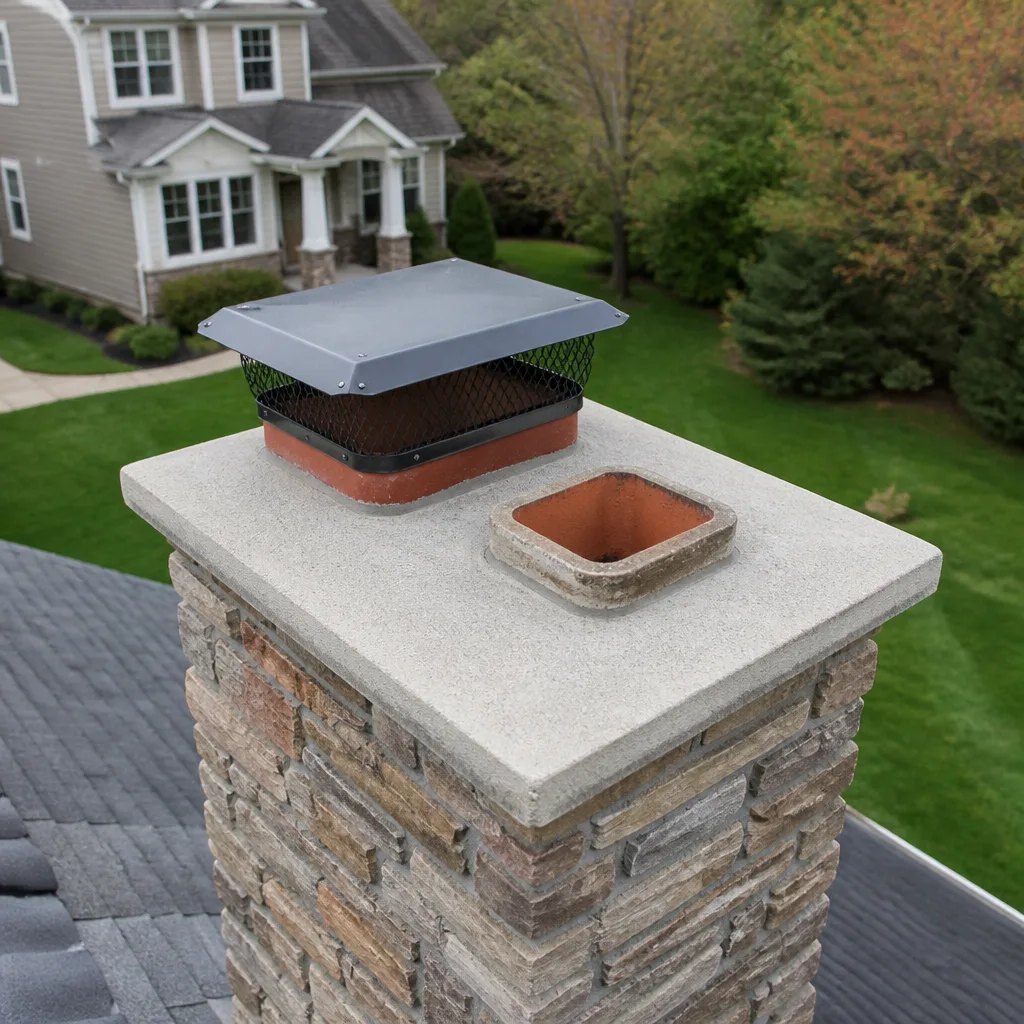 Sweep & inspection
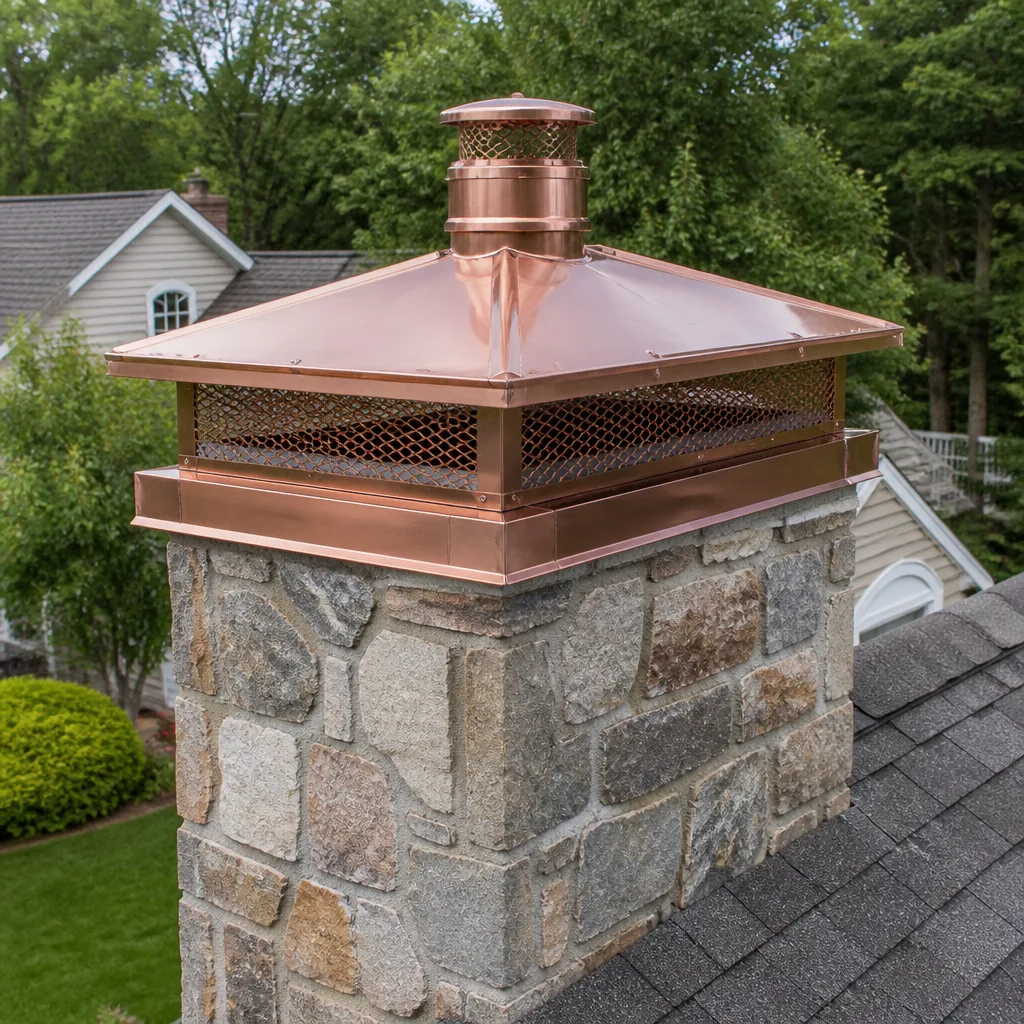 Caps & crowns
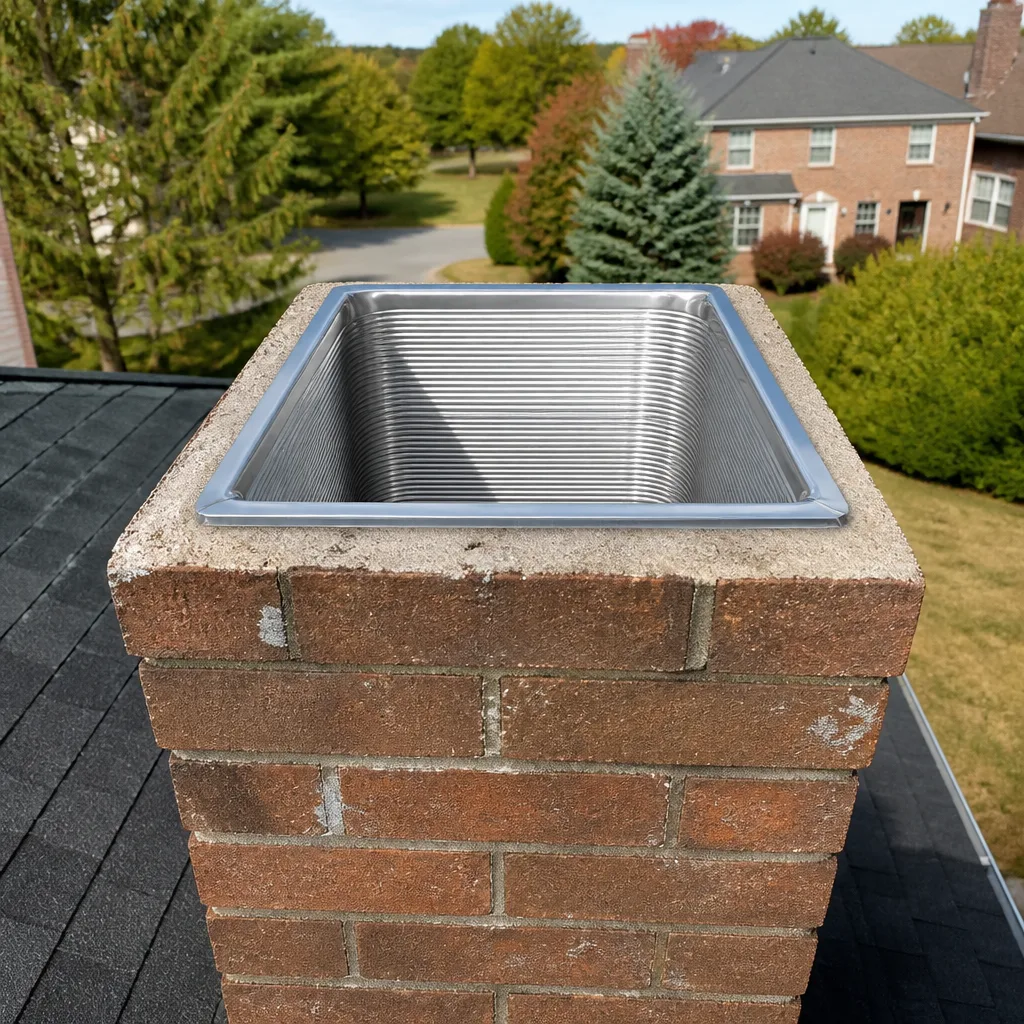 Flue relining
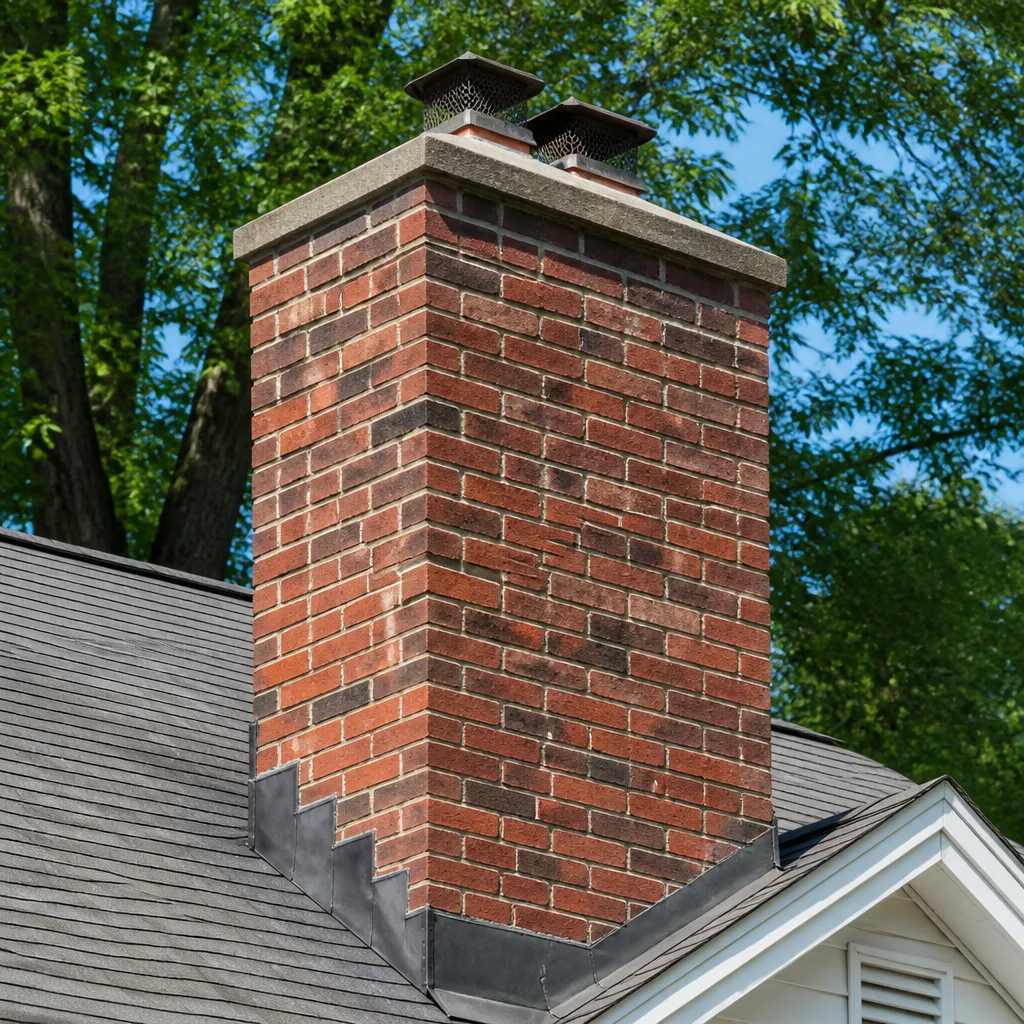 Masonry repair
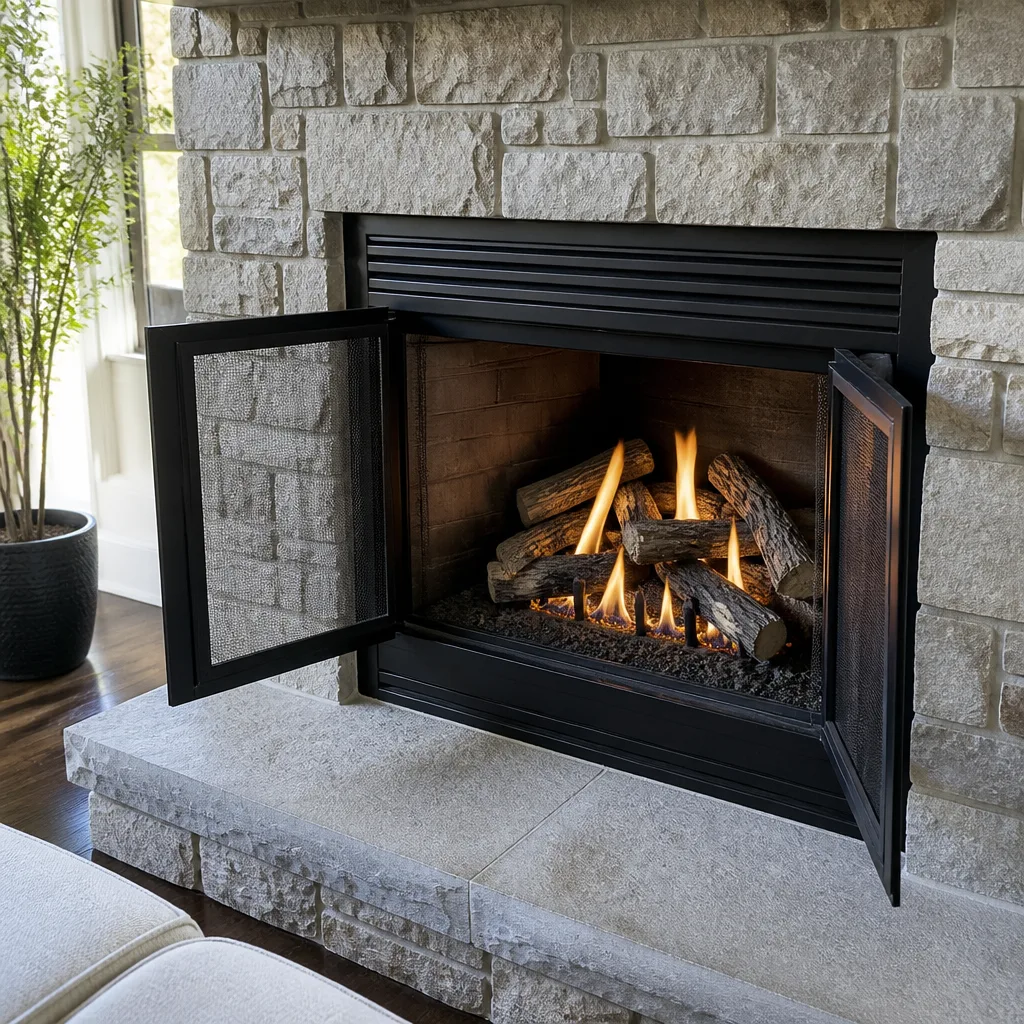 Gas fireplace service
Level 1 sweep and inspection to the NFPA 211 annual standard - flue, crown, cap, and flashing checked and photographed
Chimney sweep logs do not sweep chimneys. They loosen some creosote - which then falls where a brush and vacuum still have to collect it.
The Complete Guide to Chimney Cleaning in Sandy Springs
A standard Level 1 chimney inspection takes about 45 minutes when done properly. If your chimney sweep was in and out in 20, at least two steps were skipped, and you won’t know which ones until something goes wrong. This guide maps exactly what a thorough cleaning covers in Sandy Springs, step by step, so you can verify the work was actually done, and for more guides & resources on chimney care, visit our blog. We’ll explain what each cleaning level involves in observable terms, why Sandy Springs’ tree canopy changes how fast creosote builds, what “clean” means by measurement, and how to read the written summary you should receive after every visit.
Styles & brands we work with
Quick Answer
Chimney cleaning in Sandy Springs typically costs between $189 and $329 for a standard sweep, and it involves removing creosote, soot, and debris from the flue, smoke chamber, damper, and firebox while verifying the cap, flashing, and masonry are sound. Most wood-burning fireplaces in Sandy Springs need a sweep every 25 to 40 fires, or at least once per burning season, because the pine-heavy canopy and humid Georgia summers accelerate creosote formation beyond national averages.
Table of Contents
- What CSIA Cleaning Levels Actually Mean (Translated for Homeowners)
- Why Sandy Springs Fireplaces Build Creosote Faster Than Average
- The Exact Sequence We Follow on Every Sweep (And Why Each Step Exists)
- What “Clean” Actually Means: Creosote Thickness and When Chemical Treatment Is Needed
- How Much Chimney Cleaning Costs in Sandy Springs
- How to Read Your Written Chimney Summary (And What a Missing Line Item Signals)
- Common Mistakes to Avoid
- When to Call a Professional
- Frequently Asked Questions
- The Bottom Line
What CSIA Cleaning Levels Actually Mean (Translated for Homeowners)
The Chimney Safety Institute of America (CSIA) defines three levels of inspection, and most Sandy Springs homeowners don’t realize that each level includes a different depth of cleaning. If you’ve ever felt unsure whether a sweep actually did the work they charged for, knowing these levels helps you watch for the right actions during the visit.
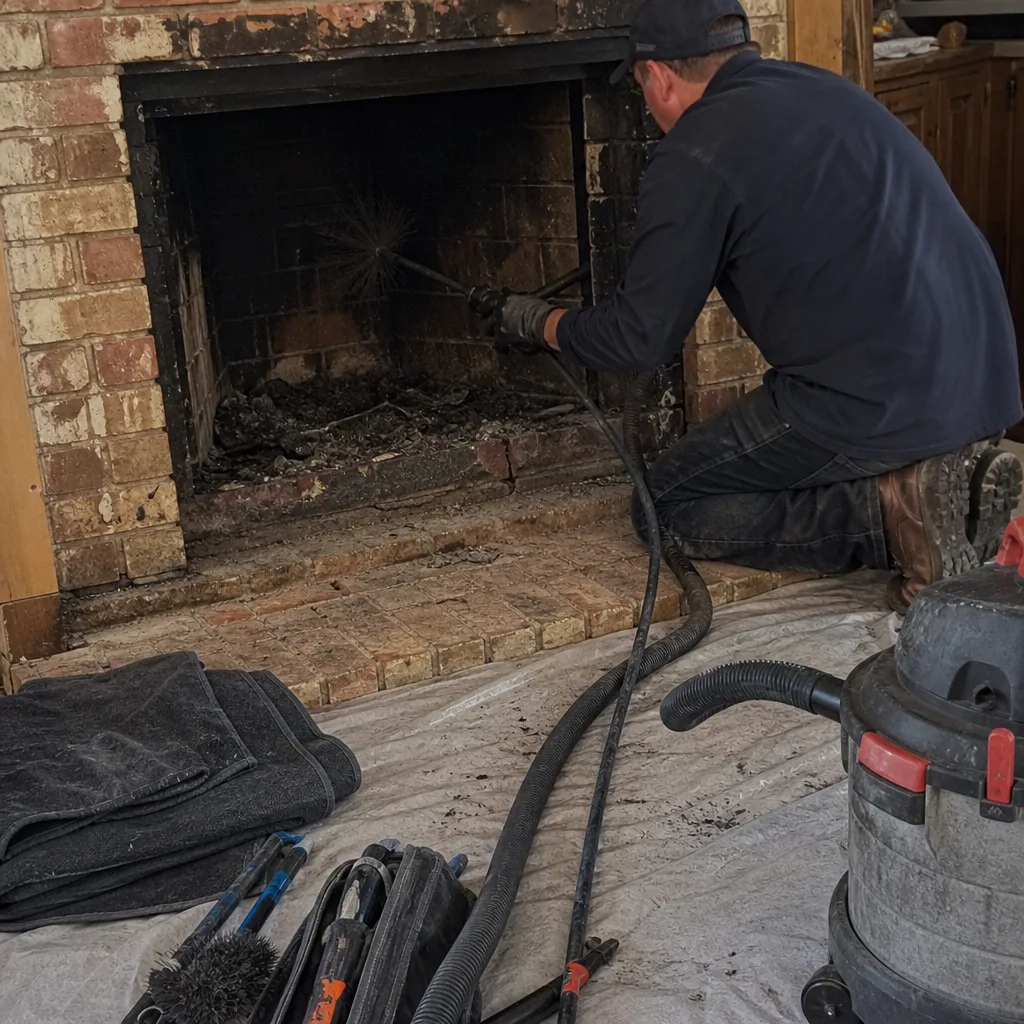
Level 1: The Standard Sweep is what you need when your system hasn’t changed since the last professional visit and you’re burning the same fuel. In observable terms, the technician should set drop cloths, bring a rotary brush or hand brush set sized to your flue, remove the damper plate or work around it, brush from the top down (or bottom up with a rotary system), vacuum the firebox, and run a visual check of the cap, crown, flashing, and accessible liner surfaces. A Level 1 cleaning paired with the inspection takes about 45 minutes to an hour in Sandy Springs homes, longer for two-story chimneys on steep rooflines.
Level 2: After a Change or Event applies when you’ve bought a home, relined the flue, switched fuel types, or experienced a chimney fire, earthquake, or severe storm. It includes everything in Level 1 plus a video scan of the interior flue using a camera system. The camera reveals cracked flue tiles, hidden creosote glazing, or separation between liner sections that a visual check from the top cannot catch. If you’re in the market for a home in Sandy Springs neighborhoods like Huntcliff, Riverside, or Dunwoody Panhandle, the real estate transaction inspection for a fireplace is a Level 2.
Level 3: When Something Is Hidden is the most invasive level, used only when a Level 2 camera scan suggests a structural problem behind the masonry or liner. It can involve opening a small portion of the chimney chase or interior wall to see what the camera cannot reach. A reputable sweep will never jump to Level 3 without showing you the camera footage that justifies it. In our experience serving Sandy Springs since 2003, Level 3 work is rare, and we always document the reason with photos before any wall is opened.
You can read more about the inspection side of this on our Chimney Inspection in Sandy Springs page, but the short version is this: if anyone quotes you a “clean and check” without specifying the level, ask which CSIA level applies and what equipment they’ll use. The answer tells you whether you’re getting a sweep or a shortcut.
Why Sandy Springs Fireplaces Build Creosote Faster Than Average
National chimney advice often assumes a generic suburban environment: a few deciduous trees, moderate humidity, and firewood that’s been properly seasoned for a full year. Sandy Springs breaks that assumption on all three counts, and this is where a local understanding changes how often you should schedule a Chimney Sweep in Sandy Springs.
First, the tree canopy matters more than people think. Sandy Springs sits under one of the densest urban forests in metro Atlanta, and much of that canopy is pine. Pine burns hotter and faster than hardwood, but it also produces more resinous smoke when used as firewood, and even when you don’t burn pine, the air around your home carries pine pollen and fine particulate through the chimney chase. Sweet gum trees, which are abundant in Sandy Springs yards, drop spiky seed balls that clog gutters and occasionally find their way into uncapped chimneys. A capped flue is not optional here; it’s the first line of defense against both wildlife and tree debris.
Second, Georgia’s humidity is a creosote accelerant. Creosote forms in three stages: a light dusting (Stage 1), a flaky, tar-like buildup (Stage 2), and a hard, glossy glaze (Stage 3). Humid air causes creosote to absorb moisture, which makes Stage 2 buildup stickier and more likely to bond to the flue walls. Sandy Springs summers, where relative humidity sits above 70% for weeks at a time, bake that moisture into the flue between burning seasons. A chimney that looked fine in March can show noticeably heavier Stage 2 buildup by October, even if you haven’t burned a single fire since spring.
Third, the clay-heavy soil affects more than your foundation. Sandy Springs sits on the Georgia Piedmont, where red clay subsoil expands and contracts through wet-dry cycles. This movement puts subtle stress on chimney footings and mortar joints over time, and small cracks in mortar act as moisture entry points. A damp chimney interior accelerates creosote hardening and makes it more difficult to remove. We regularly see Sandy Springs homes where small masonry cracks from soil movement have gone unnoticed, and the first sign is a chimney that’s harder to sweep clean than it was the year before.
The practical takeaway: in Sandy Springs, an annual sweep is the minimum for a wood-burning fireplace, not a conservative recommendation. If you burn more than 30 fires a season or use mixed wood that includes pine, you may need a mid-season brush.
The Exact Sequence We Follow on Every Sweep (And Why Each Step Exists)
This is the sequence Danny Cortes and our technicians follow on every Kindling Chimney Sandy Springs visit. It’s designed for homes with kids and pets, and every step has a protective reason, not just a technical one. If you hire anyone else, you can use this list to confirm they’re doing the work, not just carrying a brush up a ladder.
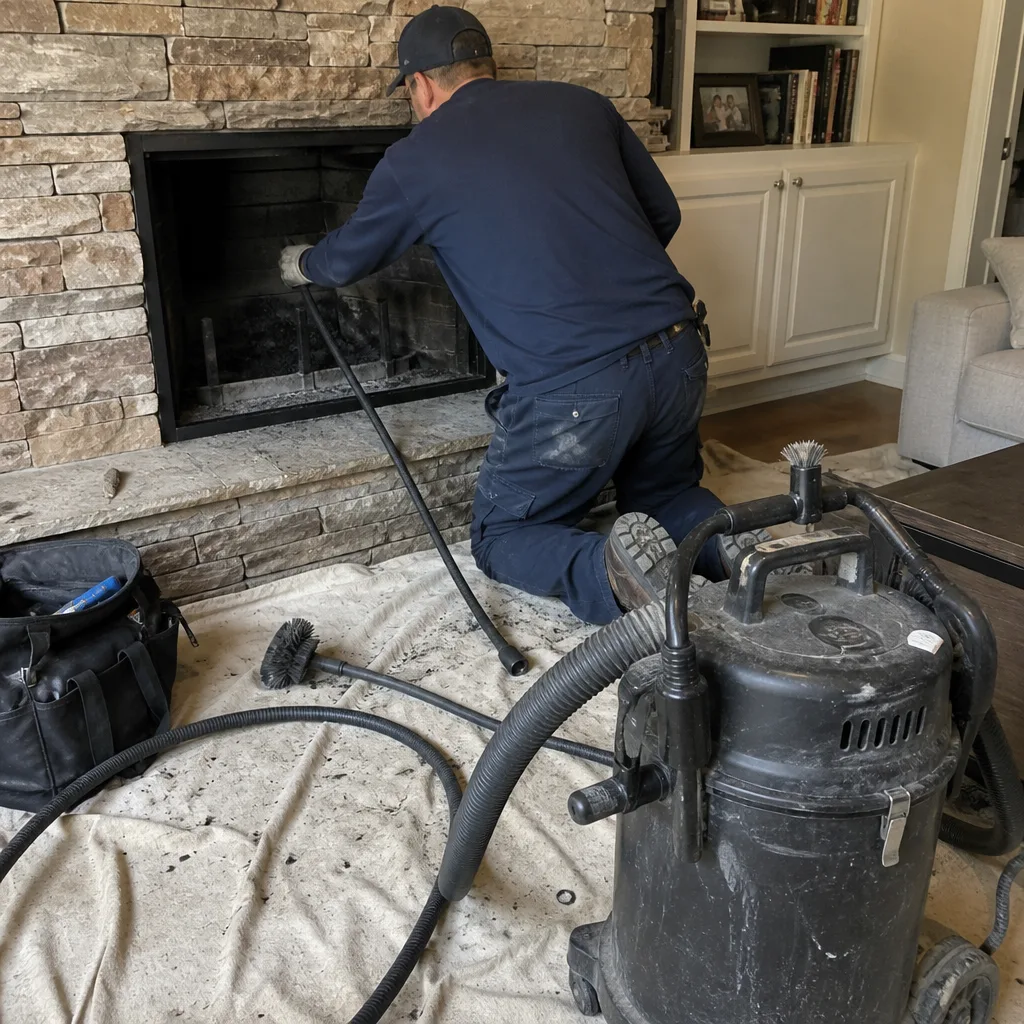
- Floor and furniture protection. Before any tool comes off the truck, shoe covers go on, and drop cloths go down from the hearth to the front door. Furniture stays where the family put it unless a piece must move, and if it must, we ask first. The Cedarwell Care Promise means a photo of the clean-up is taken before the crew leaves, and the floors look the way they did on arrival.
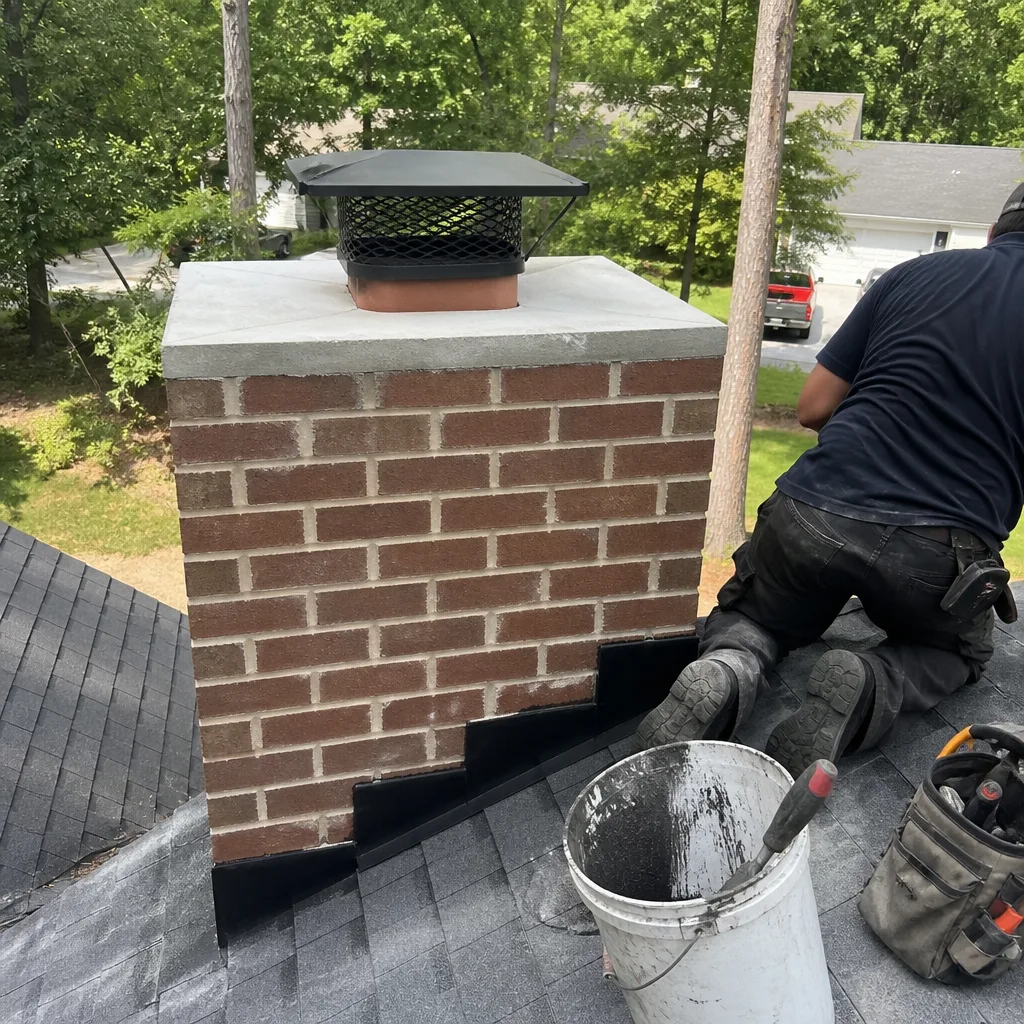
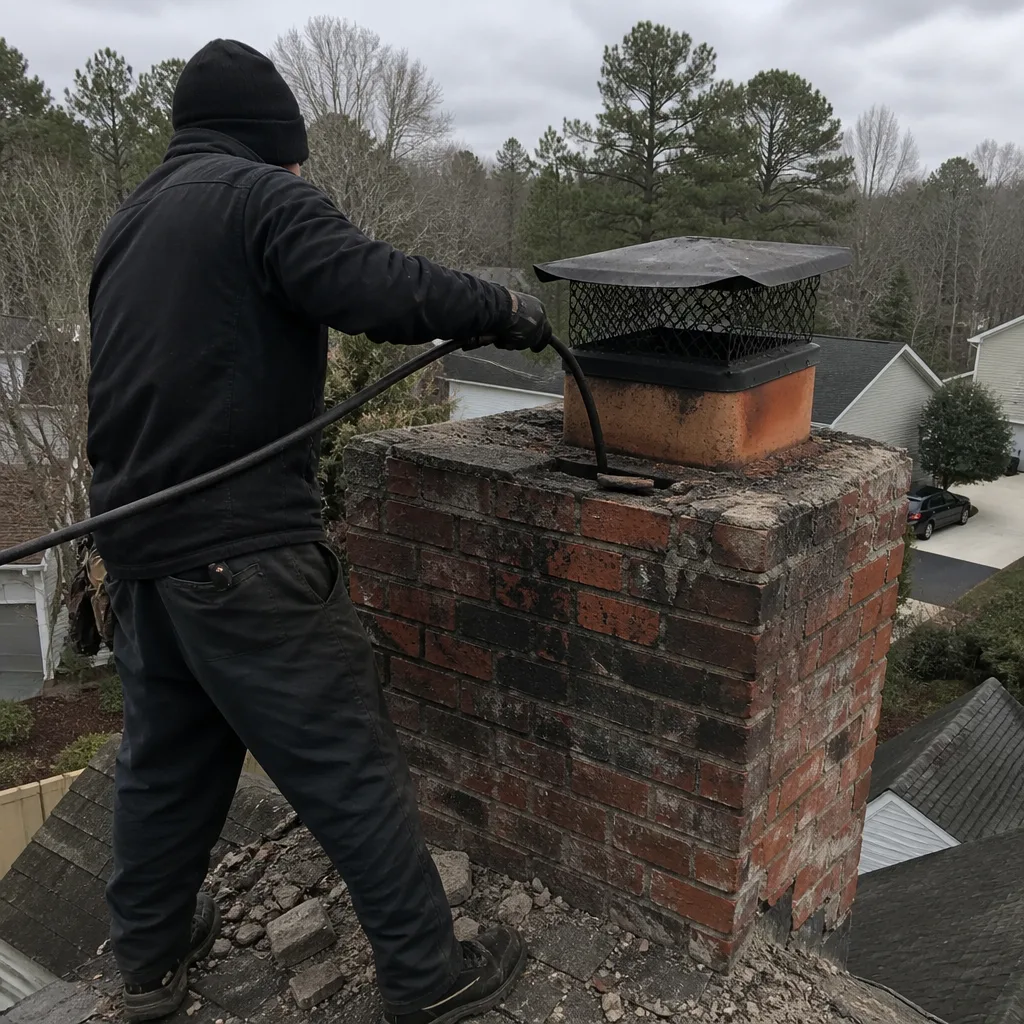
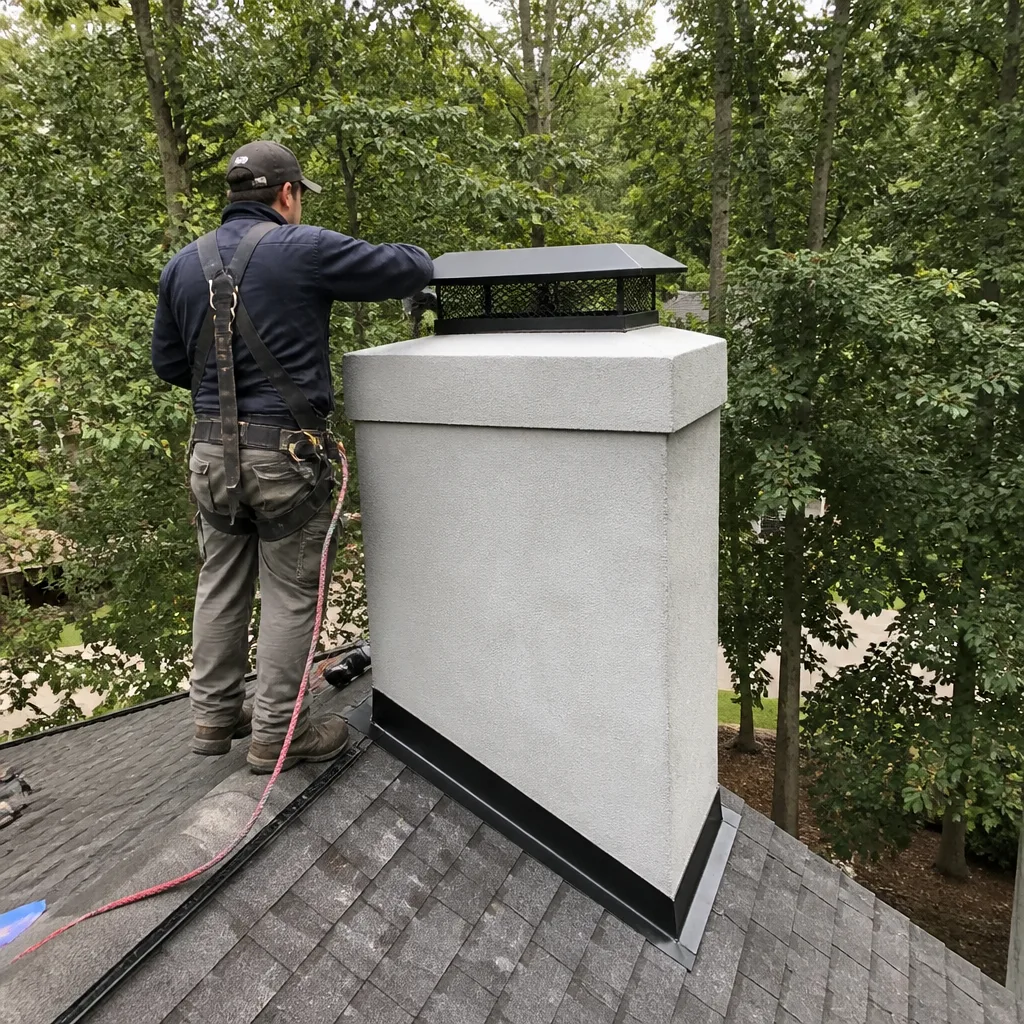
- Cap and crown inspection. We check the chimney cap for rust, missing mesh, and blockages. Sandy Springs’ squirrel and raccoon population is relentless about uncapped or torn-mesh chimneys. The crown, the concrete slab that seals the top of the masonry, gets checked for cracks where rain can enter and soften mortar from the inside out.
- Damper operation check. The damper gets opened, closed, and visually inspected. A damper that doesn’t seal well lets conditioned air escape in summer and cold air drop down the flue in winter. This matters in Sandy Springs where a humid summer day already strains the HVAC system.
- Top-down brushing of the flue. We brush the full flue length with a sized brush matched to your liner, whether it’s clay tile, stainless, or the existing liner shape. This is the core of the sweep, and it’s slow, deliberate work. Rushing this step is how Stage 2 creosote gets left behind.
- Smoke chamber and smoke shelf brushing. The smoke chamber is the sloped area above the damper where smoke compresses before entering the flue. It’s a creosote trap, and many budget sweeps skip it because it’s awkward to reach. Skipping the smoke chamber is the most common shortcut we correct in Sandy Springs homes that have been swept before by another company.
- Firebox clean-out. Ash and debris are removed from the firebox, and the interior is vacuumed with a HEPA-rated chimney vacuum that traps fine particulate. We use pet-safe products where there is a choice, and the ventilation setup is designed to minimize dust migration into the living space.
- Video or visual liner verification. After brushing, we check the flue again to confirm creosote removal and spot any cracks or gaps that were hidden beneath buildup. If the sweep was a Level 2 because of a home purchase or event, this is where the camera footage gets reviewed with you.
- Clean-up verification photo. The work area is returned to its original state, the drop cloths are removed, and a photo is taken to document it. The written price was delivered before any work started, so the final bill matches the written price, every time.
This sequence is why we say a proper sweep takes 45 minutes to an hour. If your last sweep was faster, you now know which steps to ask about.
What “Clean” Actually Means: Creosote Thickness and When Chemical Treatment Is Needed
You’ve probably been told your chimney is “clean” and taken it on faith. But the CSIA gives measurable thresholds, and knowing them turns an invisible service into something verifiable.
Stage 1 creosote is a fine, dusty deposit, typically 1/8 inch thick or less. A standard brushing removes it completely, and no further action is needed. Stage 2 creosote is the flaky, tar-like layer, usually between 1/8 inch and 1/4 inch thick. A standard brushing can still remove much of it, but if it’s sticky and humid, it resists the brush and leaves residue. Stage 3 creosote is the glossy, glazed coating, often more than 1/4 inch thick. It looks like black peanut brittle and cannot be removed by brushing alone. It requires a chemical treatment, typically a spray-on product that breaks down the glaze over several days, followed by a return visit to brush away the loosened material.
Here’s the measurement that matters for Sandy Springs homeowners: after a sweep, the flue should show no visible Stage 3 glazing and no Stage 2 buildup thicker than 1/16 inch. If a sweep tells you the chimney is clean but you can still see tar-like patches through a camera view or flashlight, it wasn’t fully cleaned. We use professional-grade treatment products from Gelco and Olympia Chimney when Stage 3 is present, and we show you the before and after footage before we call the job done.
One thing a good sweep will always do is tell you if a chemical treatment can wait. Stage 2 residue that’s thin and not hardening does not demand immediate treatment. A reputable company will document it, explain the timeline, and let you decide. If someone pressures you into a chemical treatment the day they meet you, ask to see the camera footage that justifies it.
How Much Chimney Cleaning Costs in Sandy Springs
You should know the price range before you book, not after the work is done. Here’s what we see across Sandy Springs, from the in-town neighborhoods near the Chattahoochee up through the Panhandle and east toward Perimeter Center.
- Standard Level 1 sweep and inspection: $189 to $289 for a single-flue masonry chimney with a standard cap. This is our most common job.
- Level 2 sweep with video scan: $329 to $429. This applies to real estate transactions, post-event inspections, and first-time visits to a home where the liner history is unknown.
- Stage 3 chemical treatment: $150 to $250 added to the sweep cost, depending on flue height and the product used.
- Cap replacement or installation: $120 to $275 for a standard stainless cap, installed.
- Damper replacement: $150 to $400 depending on whether it’s a throat damper or a top-sealing damper.
These are honest Sandy Springs market ranges, and your final number depends on flue height, roof pitch, and what the inspection reveals. What you should never experience is a surprise. Kindling Chimney Sandy Springs delivers a written price before any work starts, every time, with no on-the-spot pressure. If the inspection reveals something beyond the sweep, you’ll see photos and get a written quote before we proceed.
For fireplace repairs beyond a standard sweep, our Fireplace Repair in Sandy Springs page covers what we fix and the materials we use, including liners from DuraFlex and Copperfield.
How to Read Your Written Chimney Summary (And What a Missing Line Item Signals)
Every professional chimney visit should end with a written summary, not just a verbal “you’re all set.” Here’s how to read it and what its omissions tell you.
A complete summary includes: the CSIA inspection level performed, the cleaning method used (hand brush, rotary, or both), the type and condition of the liner observed, the cap and crown condition, the damper condition, the creosote stage found and thickness measured, any Stage 3 chemical treatment applied, and any repair observations with photos referenced. If any of these line items is missing, that’s a signal the corresponding step was likely skipped or not documented.
The most frequently missing items on competitor reports are the smoke chamber condition and the cap inspection note. The smoke chamber is awkward to access and easy to skip. The cap requires getting onto the roof, and budget sweeps sometimes “eyeball” it from the ground with binoculars. Both matter, especially in Sandy Springs where unmaintained caps invite both wildlife and the pine needle load that accumulates between visits.
We hand you a written summary before we leave, and we’re glad to walk through every line item while the findings are fresh. If the summary includes photo references, those photos exist and you’re welcome to see them. A chimney company that documents its work and shows it to you is operating the way the trade should.
Common Mistakes to Avoid
- Booking a sweep that’s bundled with a $49 roof cleaning. A chimney sweep and a roof wash are separate trades. Bundles like this usually mean the chimney work is a loss-leader, and the sweep gets rushed to keep the schedule loose for the higher-margin roof job.
- Skipping the sweep because the fire “worked fine.” Creosote buildup is invisible from the living room, and Stage 2 deposits ignite at around 451°F, well within normal firebox temperatures. You won’t know it’s a problem until it becomes one, and by then the flue has already been exposed to extreme heat.
- Assuming a new home’s chimney was cleaned before sale. Level 2 inspections are required in many Sandy Springs real estate transactions, but cleaning is not always included. Several of the homes we visit for the first time in Riverside and Spalding Hills have chimneys that passed inspection but haven’t been swept in years.
- Burning unseasoned wood to save money. Wet wood burns cooler and smokier, which deposits creosote faster. In Sandy Springs’ humid climate, wood needs splitting and stacking for at least a full year, preferably two, before it’s ready to burn. The “seasoned firewood” sold at gas stations is rarely seasoned.
- Running the fireplace with a partially closed damper to slow the burn. This reduces airflow, drops the firebox temperature, and sends more unburned particulate up the flue. It’s one of the fastest ways to build Stage 2 creosote, and it’s a habit we frequently have to help Sandy Springs homeowners unlearn.
- Taking the lowest quote without checking what’s included. A $99 sweep that skips the smoke chamber and rushes the flue brush is not cheaper. It’s a partial job you’ll pay more to redo properly, often within the same season.
When to Call a Professional
Call a chimney professional when you notice any of these: a smoky smell in the house that lingers after a fire is out, visible dark tar-like streaks on the fireplace walls, a damper that won’t fully open or close, water stains on the ceiling near the chimney, or an animal noise coming from the flue. If you’ve just bought a Sandy Springs home and have no record of the last sweep, schedule a Level 2 inspection before the first fire. And if your last sweep was more than a year ago even with regular burning, it’s time. Kindling Chimney Sandy Springs offers free estimates in Sandy Springs, call (229) 459-1048. A live person answers 24 hours a day, 7 days a week, and the written price you receive upfront is the price you’ll pay.
Frequently Asked Questions
A standard chimney sweep in Sandy Springs costs between $189 and $289 for a single-flue fireplace, while a Level 2 sweep with video inspection runs $329 to $429. Kindling Chimney Sandy Springs provides a written price before any work begins, so the number you’re quoted is the number you pay. Call (229) 459-1048 for an exact quote; estimates are free.
In Sandy Springs, an annual sweep is the minimum for a wood-burning fireplace because the humid summers and pine-heavy canopy accelerate creosote buildup beyond national averages; see our Seasonal Chimney Cleaning Care for Sandy Springs: Year-Round Homeowner’s Guide for a full seasonal breakdown. If you burn more than 30 fires per season, schedule a mid-season brush as well.
You need a new liner if the camera footage shows cracked flue tiles, separation between liner sections, or deterioration that a sweep alone cannot fix. A reputable company shows you the video evidence before recommending liner work. We never recommend a liner without camera documentation you can see for yourself, and we tell you plainly when work can safely wait.
Creosote continues to build inside the flue, and Stage 2 creosote can ignite at normal firebox temperatures, causing a chimney fire that damages the liner, masonry, and potentially the surrounding home structure. Even without a fire, a blocked or heavily-coated flue reduces draft and can push smoke and carbon monoxide into the living space.
A properly run chimney cleaning keeps dust contained with HEPA filtration, uses pet-safe products where there is a choice, and leaves the work area as clean as it arrived. At Kindling Chimney Sandy Springs, shoe covers and drop cloths go down before work begins, and the Cedarwell Care Promise includes a photo of the clean-up before the crew leaves.
Ask for the written summary and confirm it includes the flue brush pass, smoke chamber cleaning, cap and crown inspection, damper check, and creosote stage measurement. A sweep that was in and out in under 30 minutes has likely skipped at least one of these steps. Kindling Chimney Sandy Springs documents every one of them on every visit.
You can, but before you decide, read our DIY vs Professional Chimney Cleaning: The Sandy Springs Homeowner’s Decision Guide; chimney cleaning requires climbing onto the roof or working from below with specialized brushes and vacuums, and the high-tension parts like dampers and caps make it a job best left to a trained professional. Improper cleaning can push creosote into hidden sections or damage the liner. If you do attempt it, have the system professionally inspected before your first fire of the season, or schedule the sweep by calling (229) 459-1048.
The Bottom Line
Chimney cleaning in Sandy Springs is not a national checklist job. The tree canopy, the humid summers, and the clay soil all change how fast creosote forms and how it behaves inside the flue. A proper sweep follows a sequence you can observe and verify: protection first, cap and crown inspection, damper check, full flue brushing, smoke chamber cleaning, firebox clean-out, and a written summary with measurements and photos. The price should be written before work begins, and the summary should tell you what was found in language you can check. If your current chimney provider can’t show you that, you deserve one who can. For a free estimate in Sandy Springs, call (229) 459-1048. A live person answers, and the quote you get upfront is the price you’ll pay. Visit our Kindling Chimney Sandy Springs home page to see how we work.
Written by Danny Cortes, Owner at Kindling Chimney Sandy Springs, serving Sandy Springs since 2003.
See the difference
 Before
 After
 Before
 After
 Before
 After