
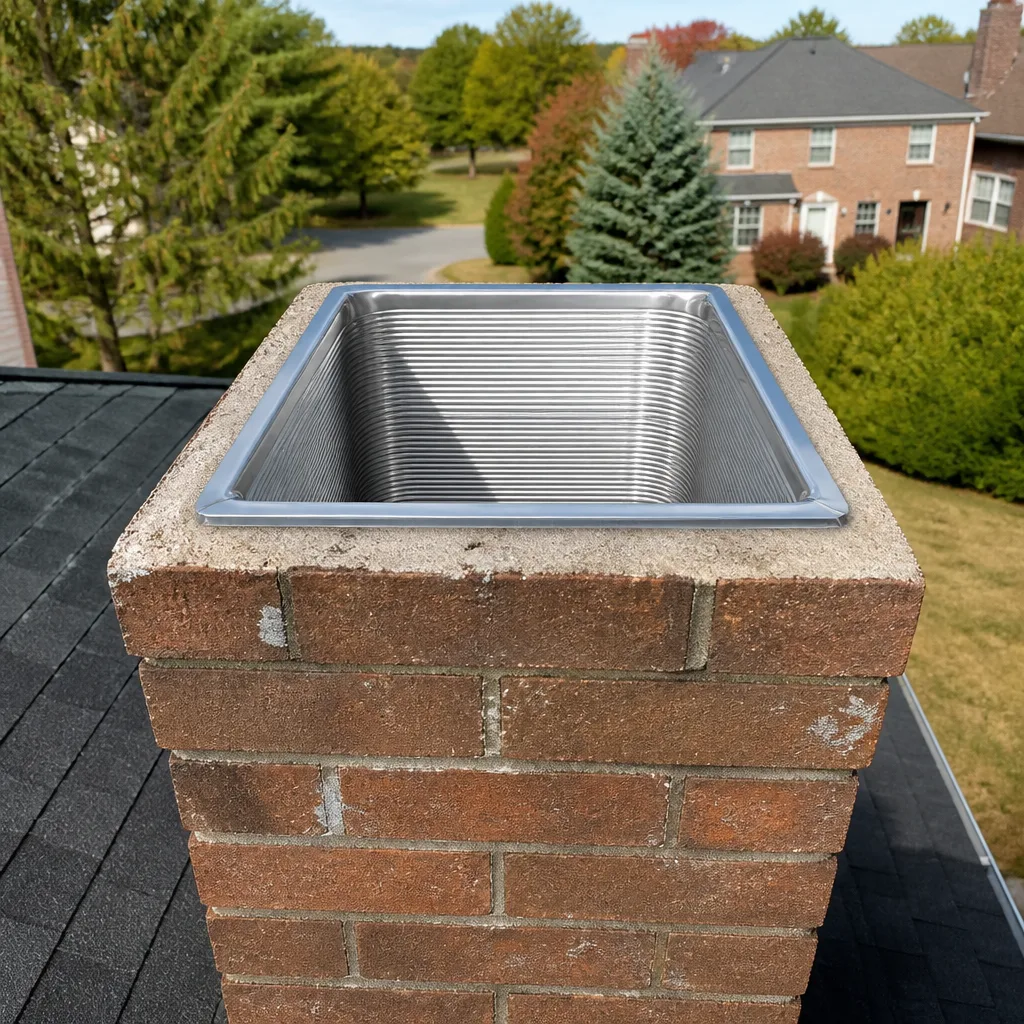
 Flue relining
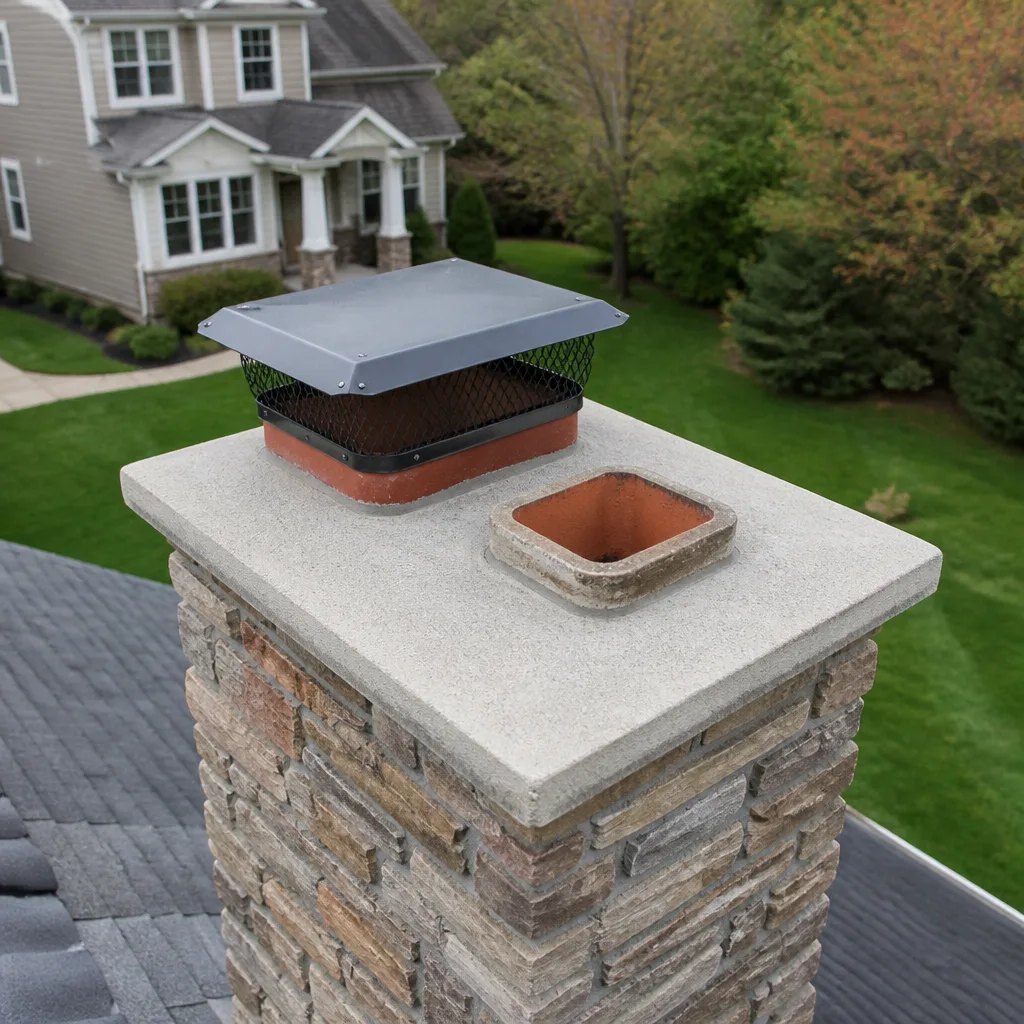 Sweep & inspection
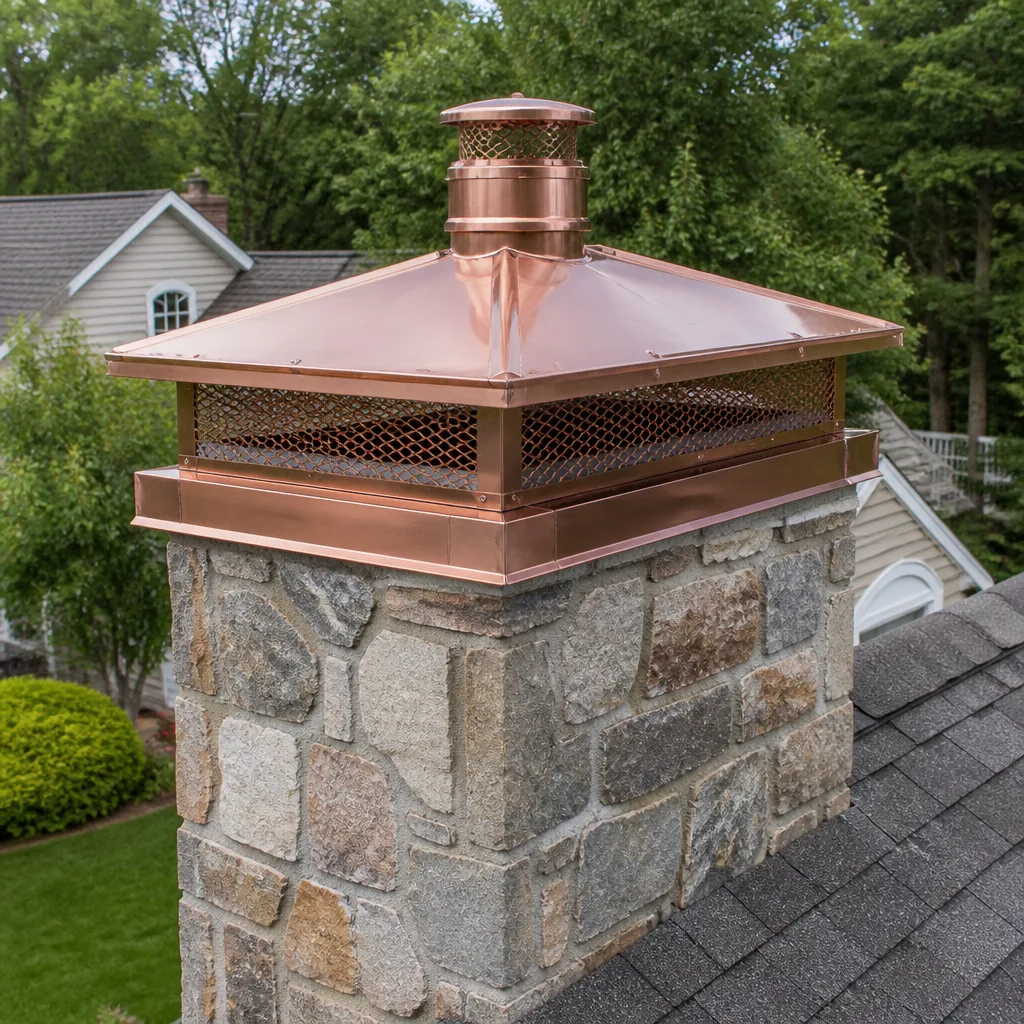 Caps & crowns
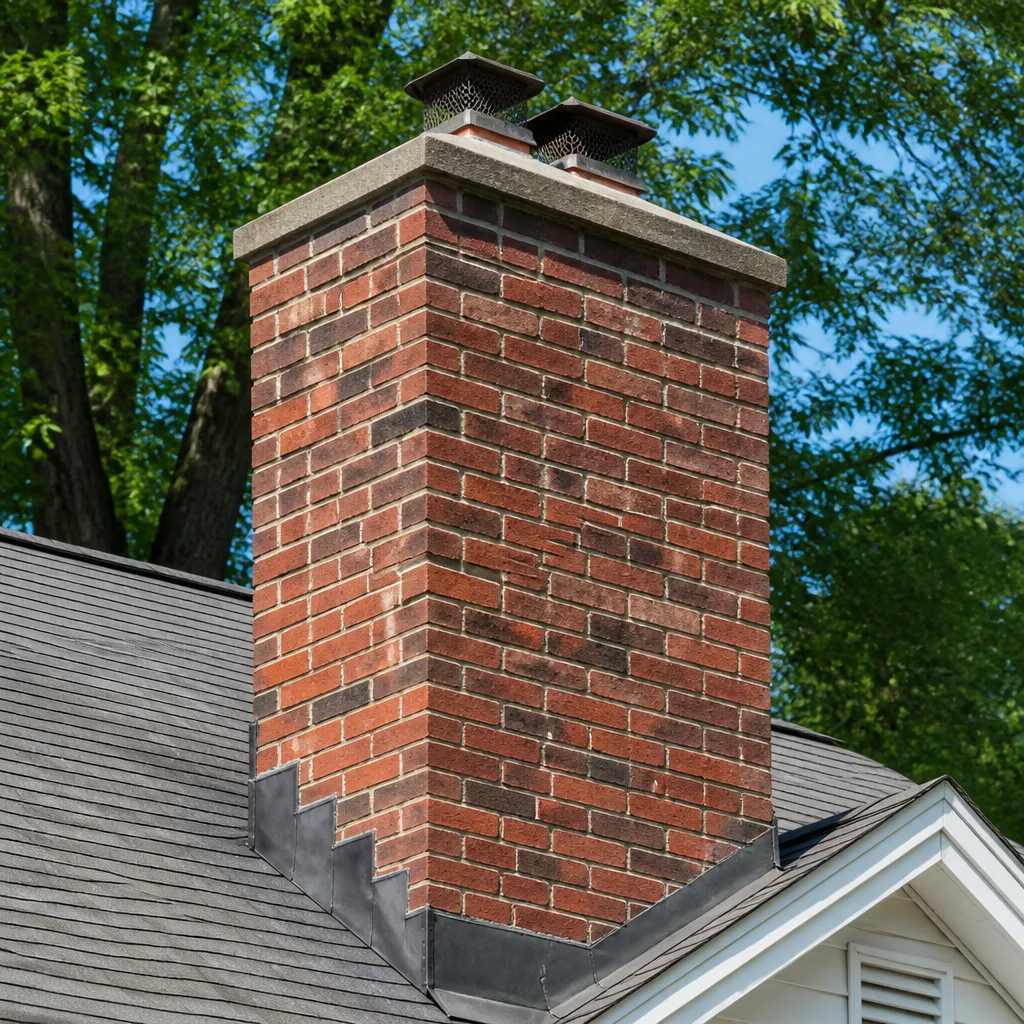 Masonry repair
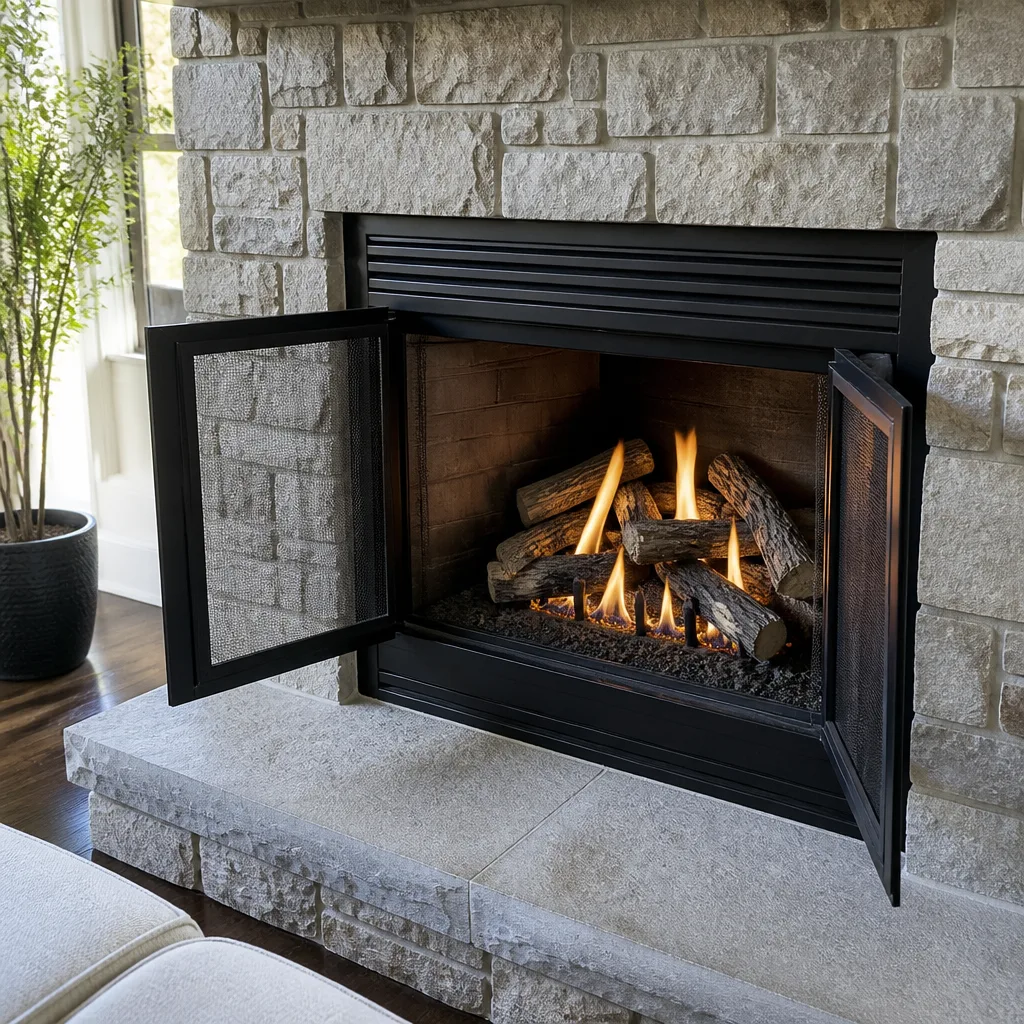 Gas fireplace service
Level 1 sweep and inspection to the NFPA 211 annual standard - flue, crown, cap, and flashing checked and photographed
Chimney sweep logs do not sweep chimneys. They loosen some creosote - which then falls where a brush and vacuum still have to collect it.
Olympia Chimney Flue Liner Replacement: The Sandy Springs Owner’s Guide
An Olympia Chimney flue liner replacement in Sandy Springs typically runs $1,850 to $4,200 installed, depending on the liner diameter, height of your flue, and whether the existing liner needs to be broken out or can be pulled and replaced cleanly. Most Olympia Chimney-compatible liner jobs take one day, and we stock stainless steel liners from Olympia Chimney’s Pro Series line plus equivalent DuraFlex and HeatShield options on our trucks so we’re not ordering parts after you’ve already booked. The way most Sandy Springs homeowners discover the liner has failed is not dramatic: it’s rust flakes collecting in the firebox, a faint smoky smell that hangs around after a fire, or a chimney sweep’s camera finding a seam that has separated.
If you’ve got an Olympia Chimney system and the liner is done, this page tells you exactly what we do, what it costs, and how to know whether you actually need the work yet.
Which Olympia Chimney Models This Applies To
This guide covers the flue liner itself, which is the stainless steel or aluminum tube running up the inside of your chimney flue. Olympia Chimney manufactures liners for their prefabricated fireplace systems and also supplies aftermarket replacement liners that fit many wood-burning and gas flues across their product range. The compatibility gotcha we see regularly in Sandy Springs homes: the Olympia Chimney label on the fireplace faceplate does not tell you the liner size. You need the inside diameter of the existing flue, measured at the top and again just above the firebox, because older Sandy Springs chimneys often taper or have a slight offset that changes what liner will actually drop in.
When we arrive, we measure the flue diameter in two places, check the height from the firebox to the chimney crown, and photograph the existing liner’s lock seam pattern. That tells us whether an OEM Olympia Chimney liner is the right call or whether a same-spec stainless liner from DuraFlex or HeatShield will do the job at a better price. All three brands meet the UL 1777 standard for chimney liners, and all three carry comparable lifespans. We’ll give you the straight comparison, not a brand pitch.
One thing worth knowing: Kindling Chimney Sandy Springs is an independent service provider. We install and service Olympia Chimney products, and we stock Olympia parts, but we’re not affiliated with the manufacturer. That actually works in your favor when it comes to pricing and honest recommendations.
Styles & brands we work with
Signs Your Olympia Chimney Flue Liner Replacement Is Failing
- Rust flakes or brown staining in the firebox. This is the most common early sign in Sandy Springs, where humidity and rain cycles cause condensation inside the flue. The liner’s inner wall corrodes first, and those fine rust particles drop down into the firebox after a fire. If you’re seeing them, the liner’s protective oxide layer is gone and the steel itself is thinning.
- A smoky smell that lingers for days after the last fire. A sealed liner keeps combustion gases moving up and out. When a seam separates or a pinhole opens, those gases enter the chase cavity around the liner and seep back into the living space slowly. You won’t always see the smoke, but you’ll smell it.
- Visible gaps or warping at the liner seams. If you can see the liner from the top of the chimney or during a sweep, look for seams that have pulled apart or buckled. This happens when the liner is exposed to repeated thermal cycling: Sandy Springs winters with cold nights followed by warm afternoons put real stress on those lock seams.
- Water in the firebox after heavy rain. A failed liner can allow water to track down the inside of the flue. If the chimney cap is intact and you’re still getting water, the liner is often the culprit.
- The flue looks clean but drafts poorly. When the liner’s interior surface roughens from corrosion, it creates turbulence. Fires become harder to start, and smoke doesn’t pull up the way it used to. This one is subtle and easy to write off as wet wood or a cold chimney, but it’s worth a camera look.
Replacement Cost & What’s Included
Here’s what we quote in Sandy Springs, and it’s a written price before any work starts:
- Standard single-story flue, 6-inch liner: $1,850 to $2,400 installed
- Two-story flue or taller, 6-inch liner: $2,300 to $3,100 installed
- Larger diameter liners (7 or 8 inch) or difficult access: $2,800 to $4,200 installed
Every quote includes the liner itself, the top plate and connector, removal of the old liner, installation, a camera inspection after the job so you can see the finished result, and our full clean-up. The 365-Day Done Right Promise covers the work: if anything about the installation is not right, we come back and make it right, no fine print. The price you approve is the price you pay, even if the job takes longer than we expected.
See the difference
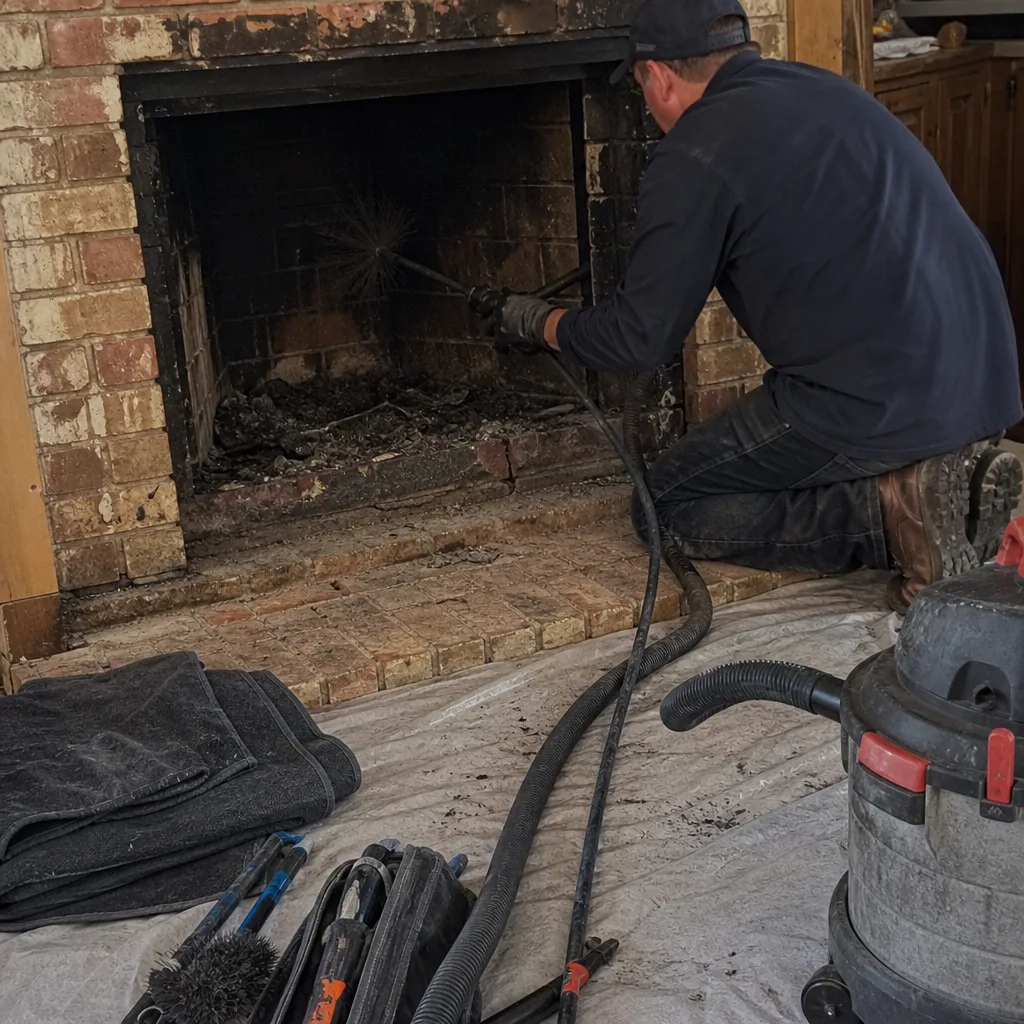 Before
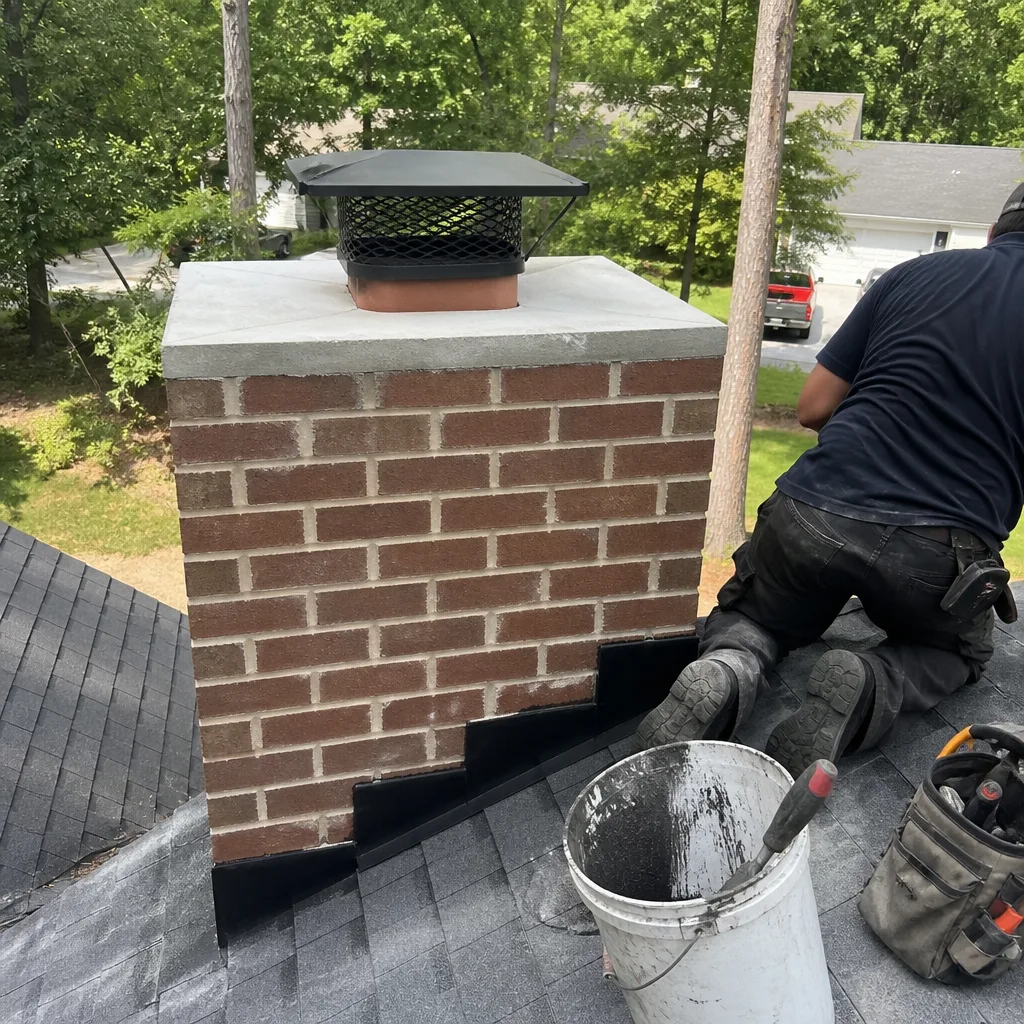 After
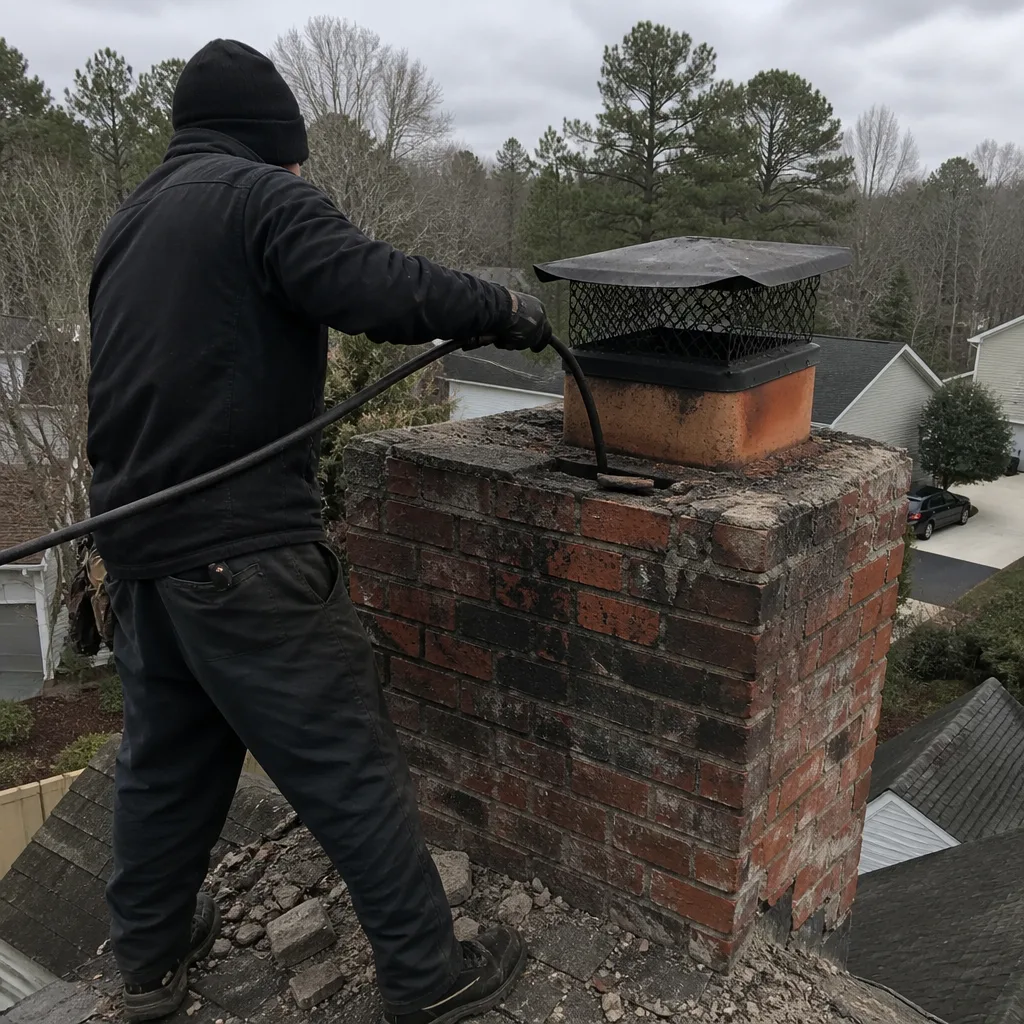 Before
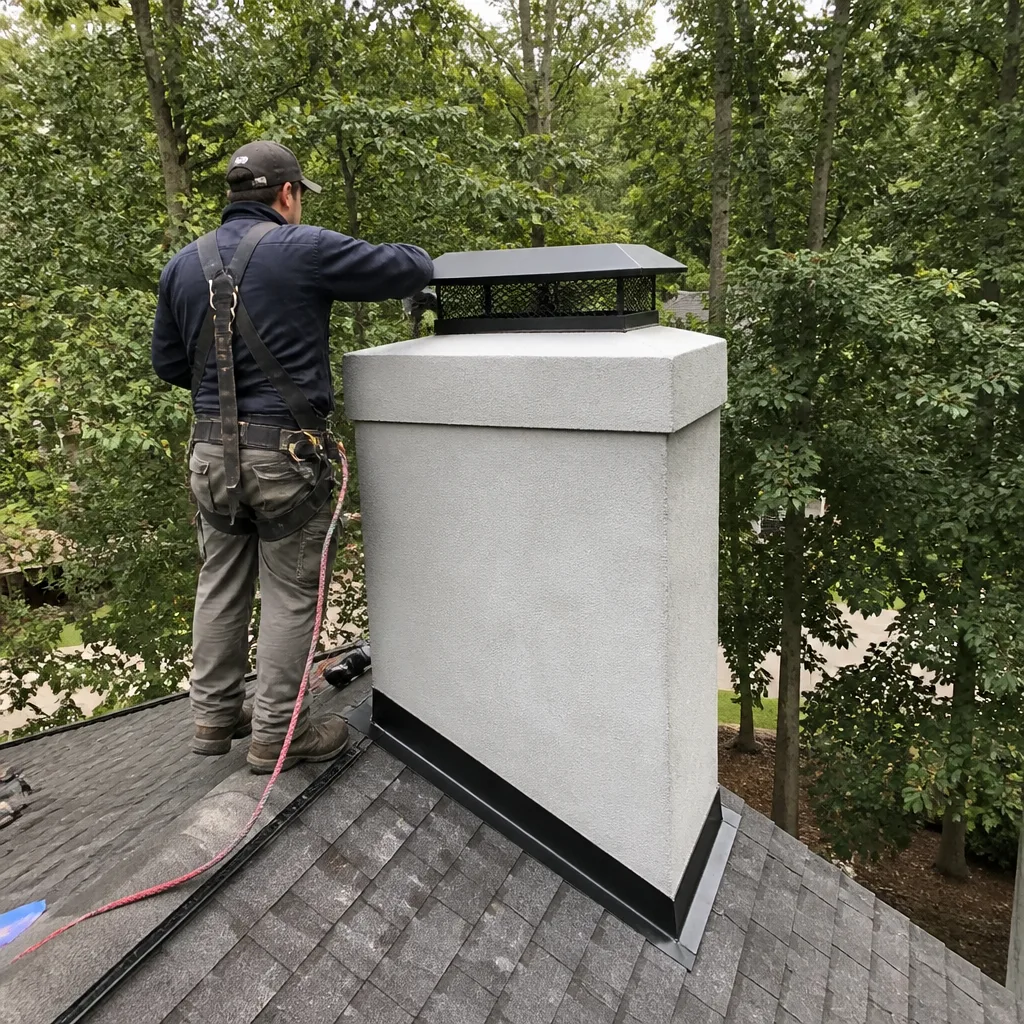 After
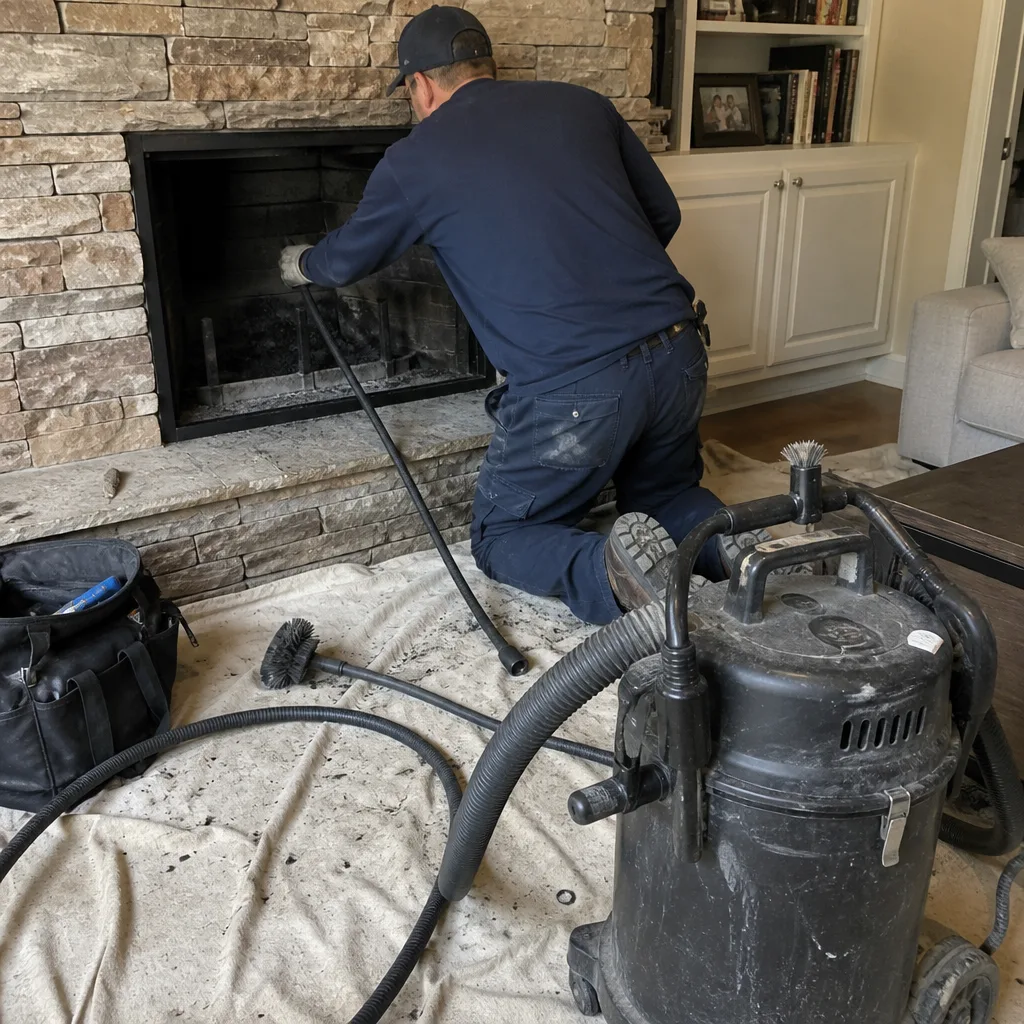 Before
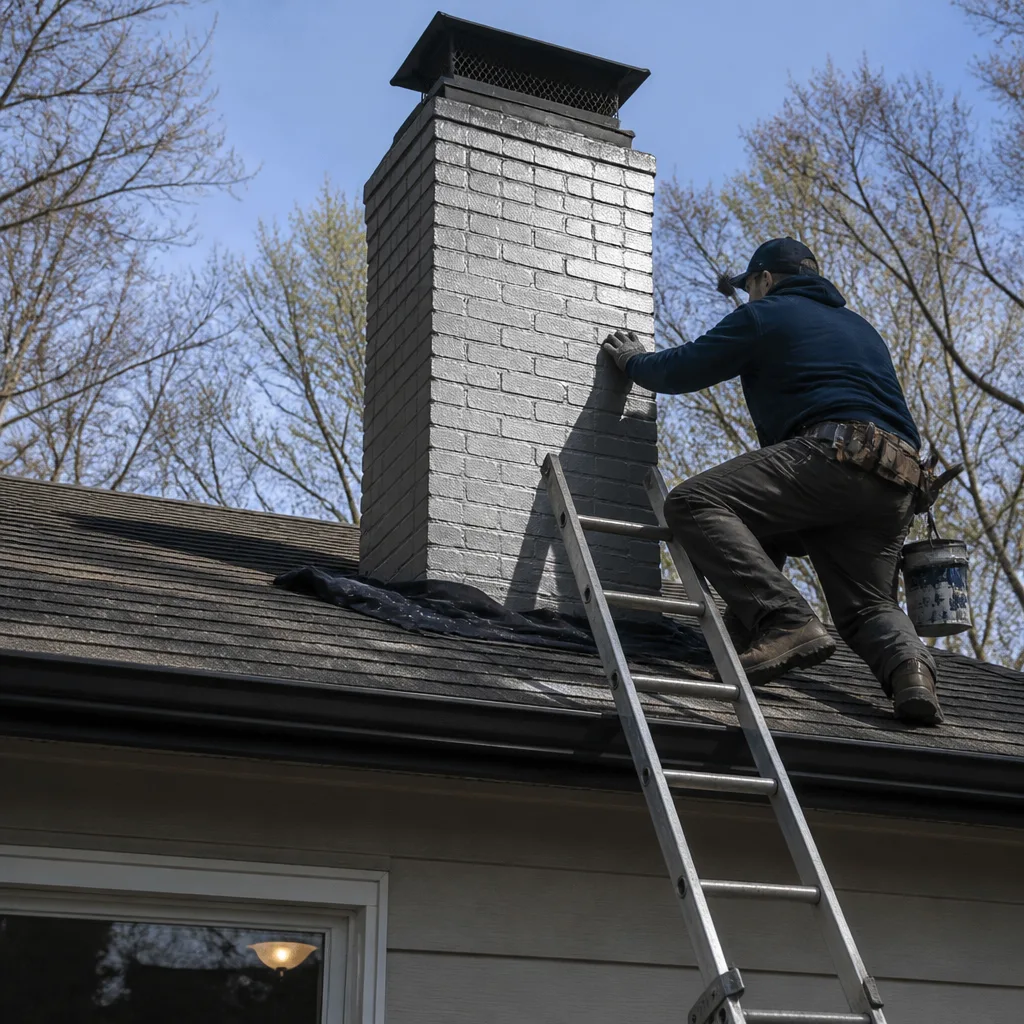 After
DIY or Call Us?
What you can safely do yourself: look for rust flakes in the firebox, check for water after rain, and shine a flashlight up the flue from inside to look for obvious gaps or warping. If you see any of those, call us at (229) 459-1048 and we’ll put a camera in the flue to confirm what’s happening. That inspection is the only way to know for sure.
What we don’t recommend doing yourself: pulling a liner. A flue liner replacement means working at height on the roof, handling stainless steel that wants to spring open, and getting the lock seams seated correctly so the liner is gas-tight for the next 15 to 20 years. If a seam isn’t locked right, you’ve spent a weekend and a few hundred dollars to create a carbon monoxide pathway. Our crew does this work regularly, with proper roof harnesses and the right tools, and we’re in and out in a day. Call us before you buy a liner online: we’ll tell you honestly whether the one in your cart will actually fit your flue.
FAQs
In Sandy Springs, where humidity and temperature swings work against every metal component on the house, a quality stainless steel liner should last 15 to 25 years. Aluminum liners, which sometimes come with gas fireplace installs, typically give you 8 to 12 years. If your Olympia Chimney system is over 15 years old and you’re seeing rust or smell, you’re likely at the replacement point.
Usually not. Once the liner’s steel has thinned enough to rust through or separate at the seams, patching doesn’t buy you more than a few months, and it leaves the same weak spots in place. There are legitimate repair cases for very small pinholes near the top, but that’s the exception. We’ll show you the camera footage either way, and if a repair is defensible, we’ll say so and quote it. Call (229) 459-1048 and we’ll give you an honest read.
Most single-liner replacements in Sandy Springs are done in one day. We arrive in the morning, set up drop cloths and shoe covers, pull the old liner, install the new one, camera-inspect the result, and photograph the clean-up before we leave. Taller flues or liners that have collapsed and need to be broken out section by section can push into a second day, but we’ll tell you that before we start.
We keep common 6-inch and 7-inch stainless steel liners on our trucks from Olympia Chimney, DuraFlex, and HeatShield, which covers most Sandy Springs homes. If your flue needs an 8-inch or a custom length, we order it and schedule the install within the week. Either way, you’ll have a firm price before we start the work.
Call for a Straight Answer
If you’ve got an Olympia Chimney system and you’re seeing rust, smelling smoke, or just want to know what shape your liner is in, call (229) 459-1048. We’ll schedule a camera inspection, show you exactly what we find, and give you a written price before any work begins. Danny Cortes walks every homeowner through what he found and why it matters, and you’ll never be rushed into a decision. A clean flue is a quiet one: you shouldn’t hear your chimney working, and you shouldn’t smell it either.
Written by Danny Cortes, Owner & Lead Chimney Technician, Kindling Chimney Sandy Springs at Kindling Chimney Sandy Springs, serving Sandy Springs and nearby areas.