
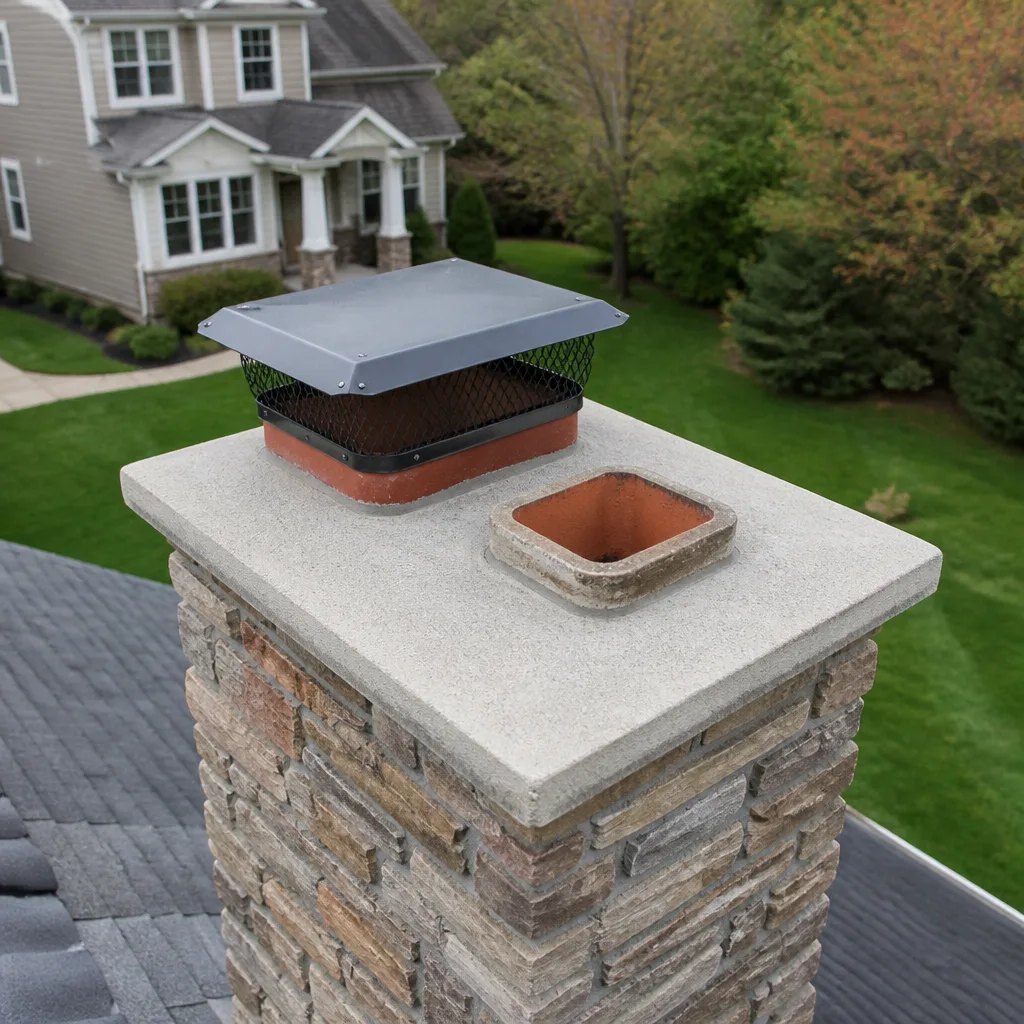
 Sweep & inspection
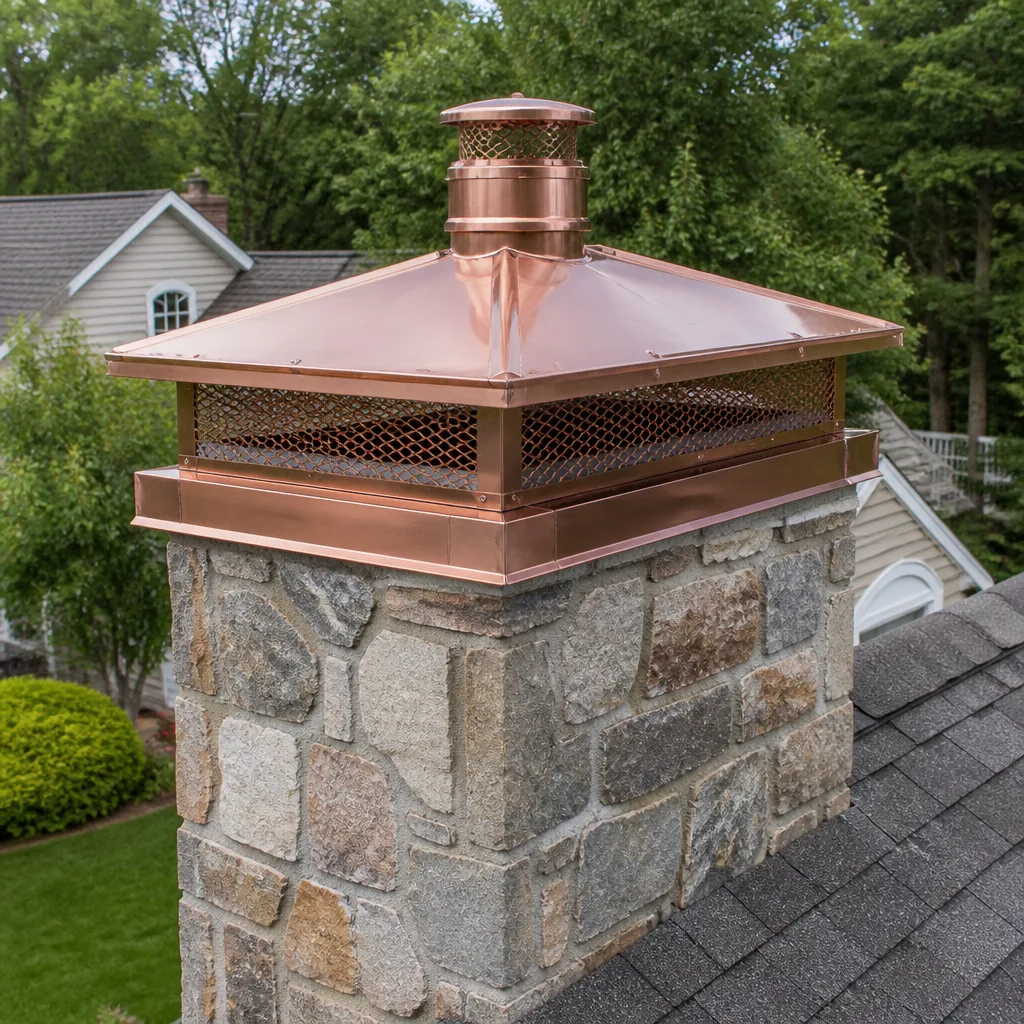 Caps & crowns
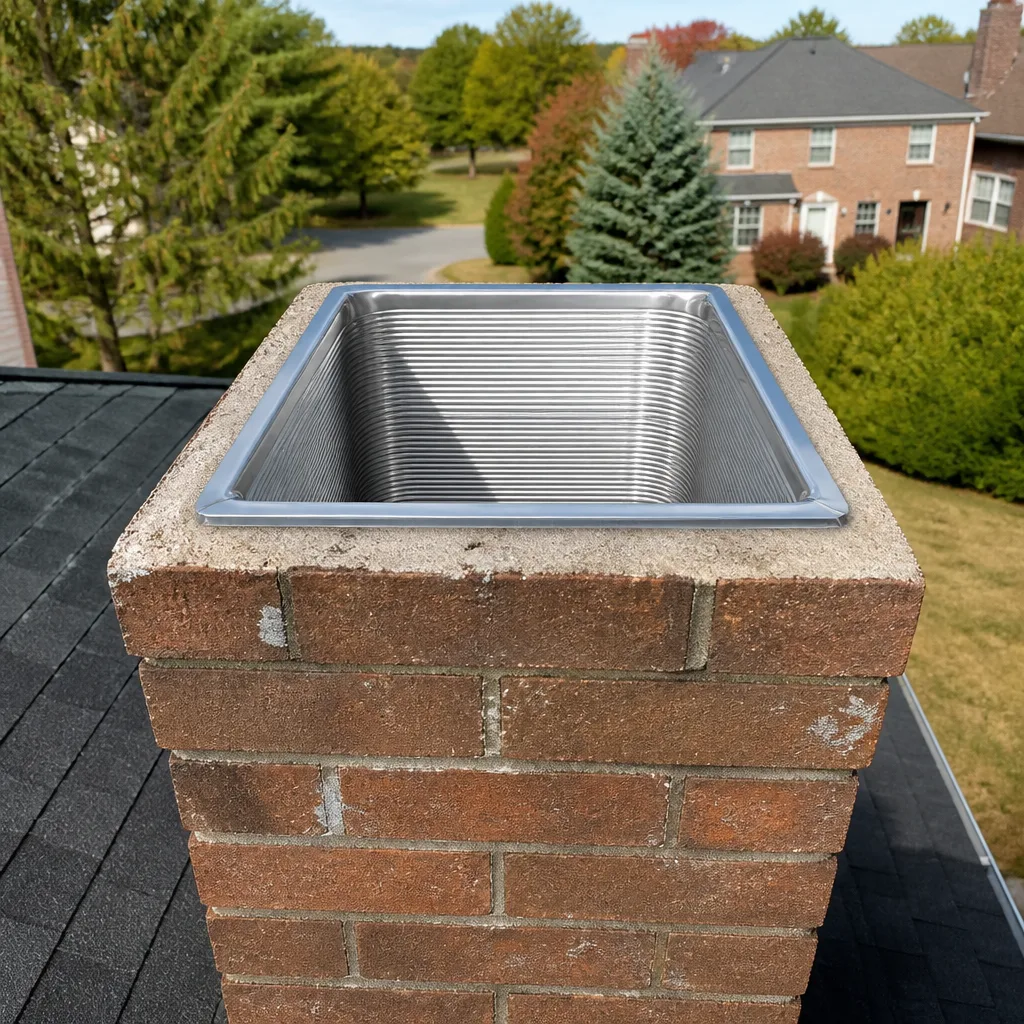 Flue relining
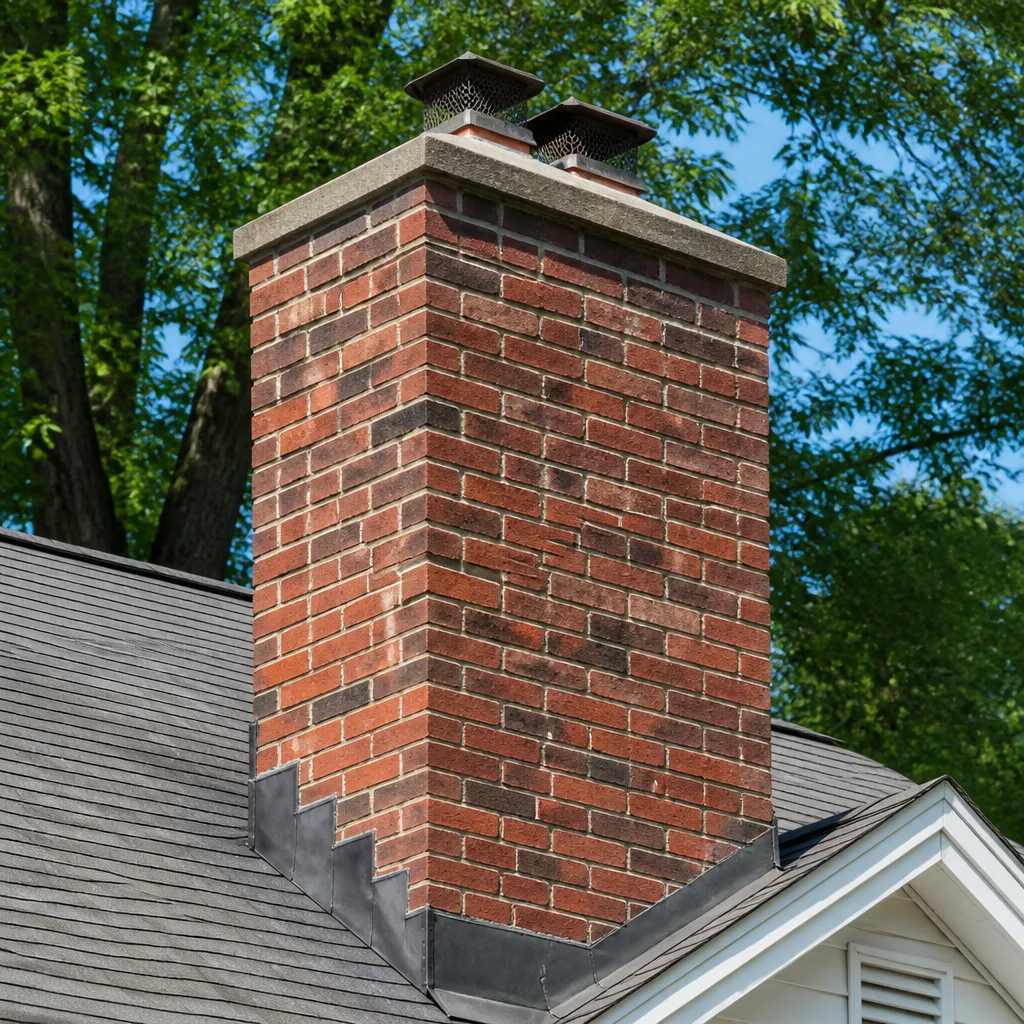 Masonry repair
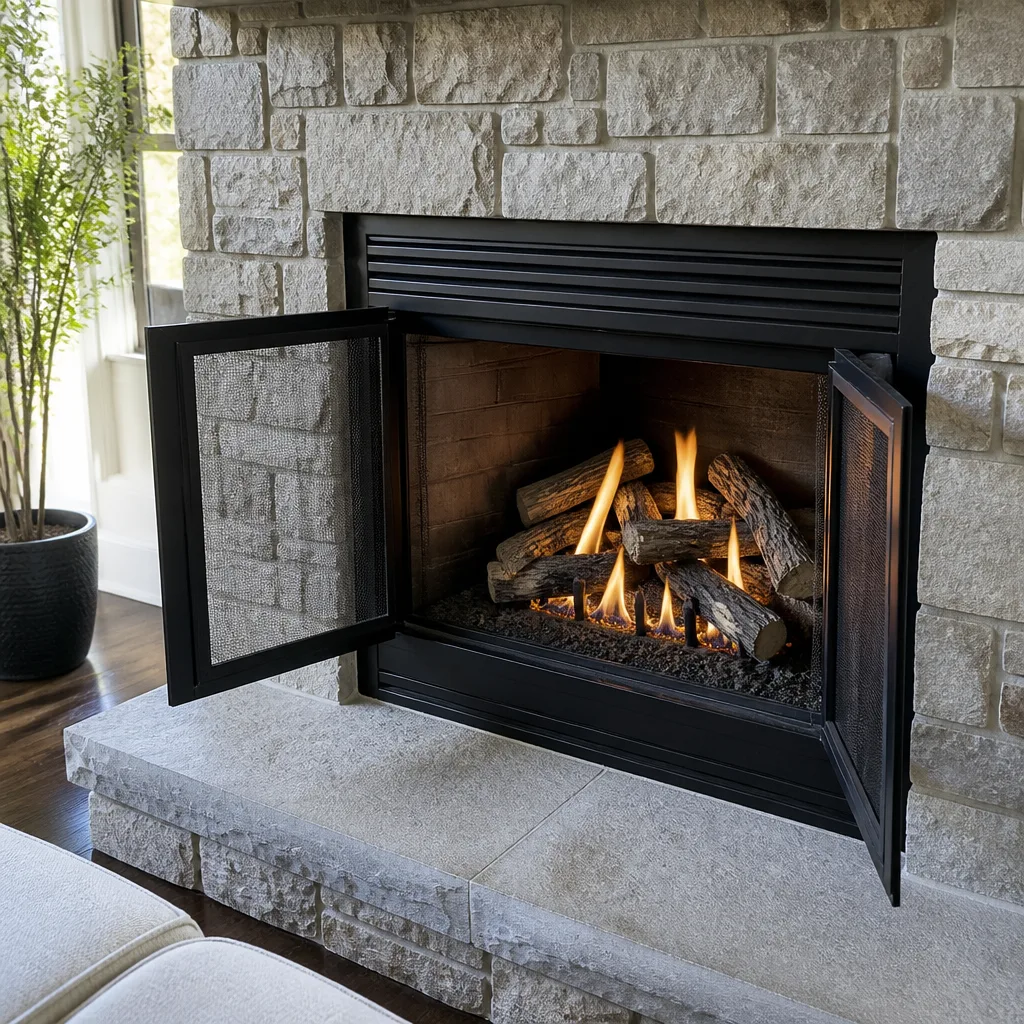 Gas fireplace service
Level 1 sweep and inspection to the NFPA 211 annual standard - flue, crown, cap, and flashing checked and photographed
Chimney sweep logs do not sweep chimneys. They loosen some creosote - which then falls where a brush and vacuum still have to collect it.
HeatShield Chimney Sweep in Sandy Springs: What to Know First
A HeatShield chimney sweep in Sandy Springs typically runs between $229 and $379 for a standard cleaning with Level 1 inspection, and most jobs are completed in about 90 minutes from drop cloths down to final photo. We’re an independent HeatShield service provider, not a manufacturer-authorized shop, which means we can be straight with you about what your liner actually needs without a sales quota behind the recommendation. If you own a HeatShield relined chimney and want a crew that leaves the hearth cleaner than they found it, call (229) 459-1048 and a live person answers, day or night.
How HeatShield Products Fail – and How We Fix Them
HeatShield is a cerfractory flue sealant system, not a rigid liner, and that distinction matters when it comes to sweeping. The product gets pumped or troweled into place and cures into a ceramic-hard surface, but it has specific behaviors that a sweep needs to understand before touching it. Here’s what we actually run into in Sandy Springs homes:
- HeatShield Classic over cracked clay tiles: The original application technique was designed to bridge hairline cracks and spalled joints. But in homes along Riverside Drive and near the Chattahoochee, we regularly see Classic applications where moisture from Georgia’s humid summers worked its way behind the cerfractory and caused it to lift in thin sheets. A hard-bristle brush run too aggressively over a lifted edge can peel it back like onion skin. We inspect first with a camera, note any lifted areas, and sweep with poly brushes at lower RPM around those zones.
- HeatShield Hybrid systems with exposed stainless sections: The Hybrid line pairs HeatShield sealant in the flue with a stainless connector or cap. The failure mode we see most often in Sandy Springs is at the transition point, where the sealant meets the metal. Creosote collects there because surface temperature changes encourage condensation. It looks like a dark ring on camera. We clean that junction by hand rather than running a rotary brush across it, since the metal edge can chip the sealant if the brush catches.
- HeatShield EL (Eliminator) systems on oversized flues: EL is used when a flue is too large for the appliance, and the sealant is built up to narrow the passage. The trade-off is that the narrowed throat becomes a creosote trap, especially with wood-burning fireplaces that don’t get hot enough. We see this on older Sandy Springs homes near Abernathy Road where the original flue was sized for a coal or early gas insert. These need more frequent sweeping than a standard flue, and we’ll tell you that plainly rather than waiting for buildup to become a problem.
- HeatShield CeCure for smoke chamber parging: CeCure is the smoke chamber variant, and it’s the most common HeatShield product we encounter in Sandy Springs. The smoke chamber is where creosote hides, and a poorly parged chamber leaves ledges and pockets that hold debris even after a good sweep. We use a rotary loop with soft poly line for the chamber walls, then hand-wipe the shoulders with a stiff brush. If the CeCure was applied thin, we’ll flag it and photograph it so you can see what we’re seeing.
- Aftermarket vs. OEM patching on HeatShield repairs: HeatShield makes a patch kit for damaged areas, but we’ve also used high-temp flue sealants like SaverSystems or Chamber Coat where a HeatShield-specific patch isn’t practical. The difference matters for warranty. If your HeatShield installation is still under the manufacturer’s warranty, we recommend OEM patch material so the warranty stays intact. If it’s long out of warranty, a quality aftermarket sealant applied correctly will do the job for less. We’ll show you both options and let you decide.
Styles & brands we work with
Our HeatShield Chimney Sweep Process
- 1
Call and schedule: A live person answers at (229) 459-1048. We’ll ask about your fireplace, when you last had it swept, and whether you know your liner type. If you know it’s HeatShield, tell us, because it changes how we prep the job.
- 2
Arrival and floor prep: Danny Cortes or one of our background-checked technicians arrives in uniform with shoe covers on before stepping inside. Drop cloths go down from the hearth to the front door. Nothing gets moved without asking you first.
- 3
Camera inspection before sweeping: We run a camera up the flue before any brush touches it. On HeatShield systems, this is non-negotiable, because we need to see the sealant condition before we work on it. You’ll see the footage too, so there’s no mystery about what’s in your flue.
- 4
Sweep matched to the sealant: We select poly brushes for HeatShield flues rather than steel. For Hybrid systems, we hand-clean transition points. For CeCure chambers, we use a soft rotary loop. The goal is a clean flue without compromising the cerfractory surface.
- 5
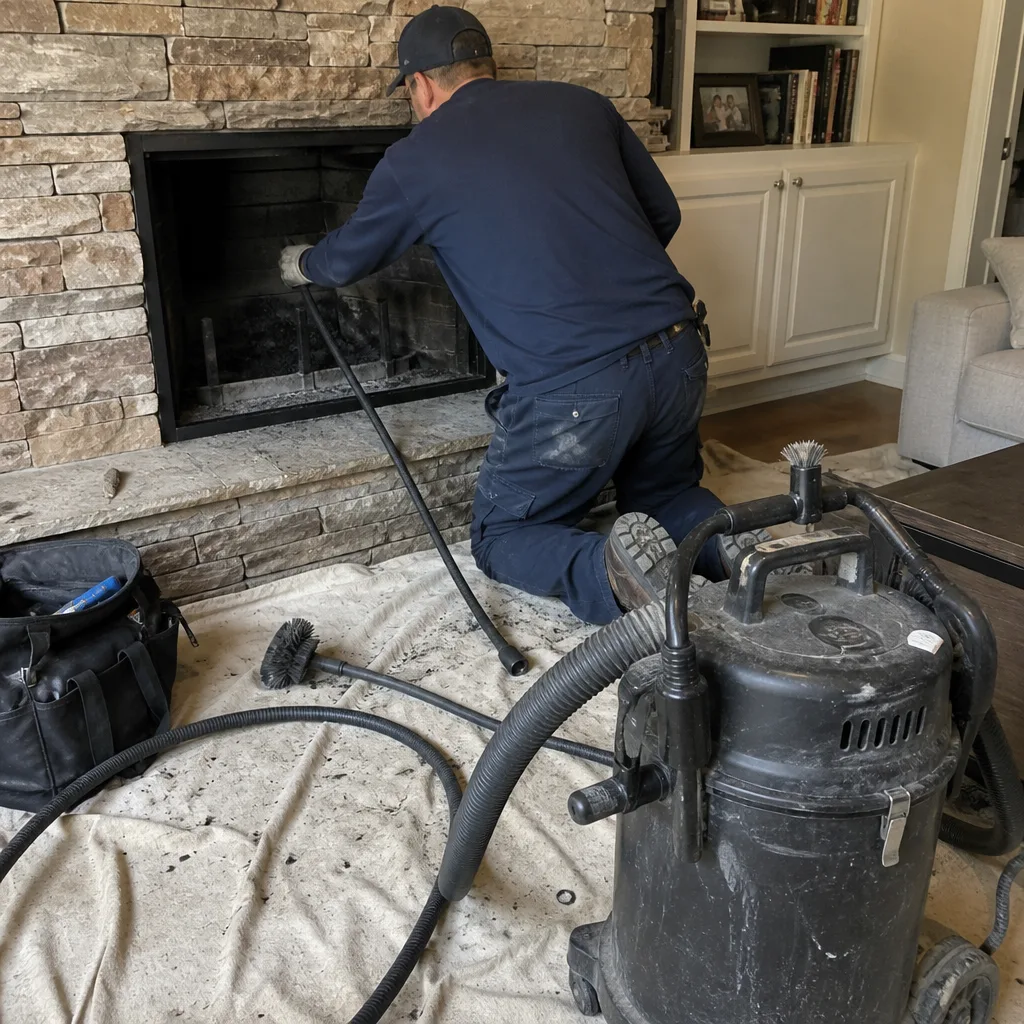
Post-sweep camera and cleanup: We run the camera again to show you the result, then photograph the cleaned hearth and surrounding floors. Shoe covers come off at the door. You get a written note of what was found and what it means.
See the difference
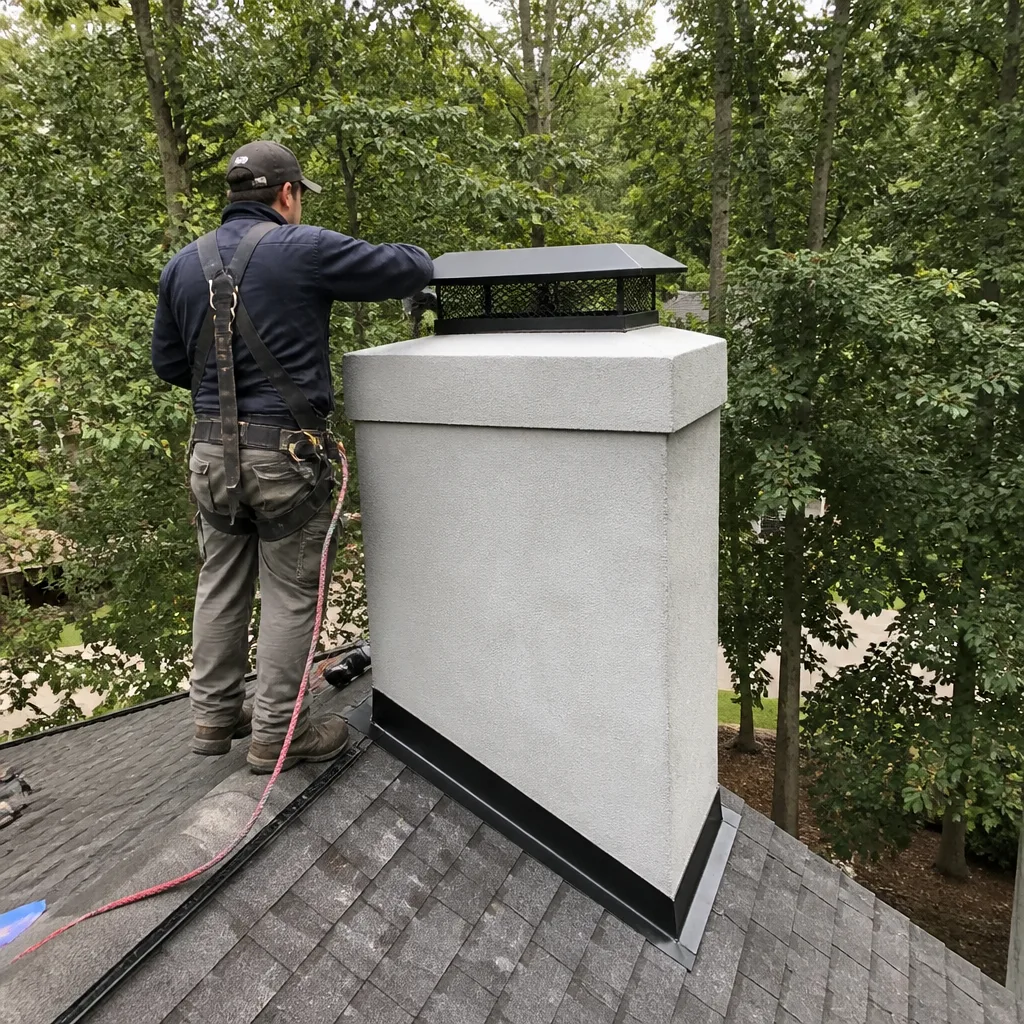
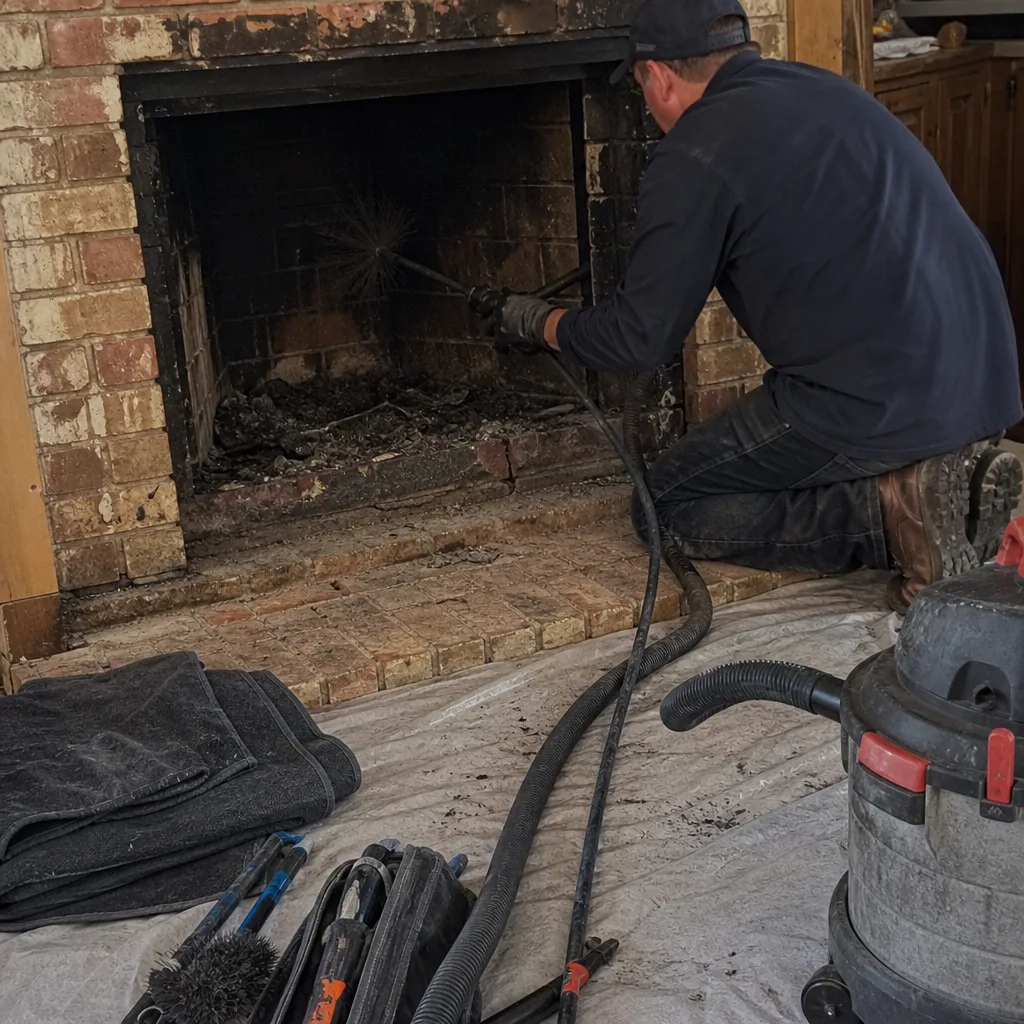 Before
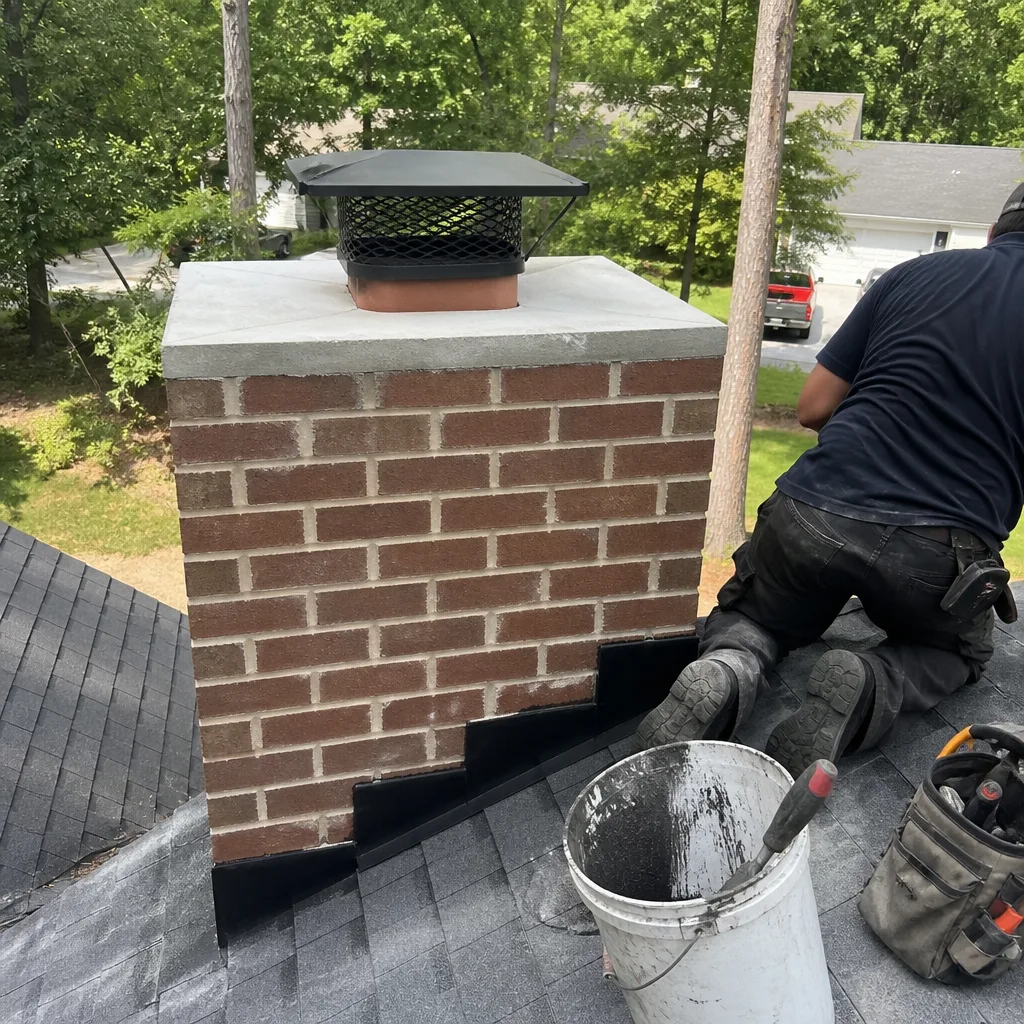 After
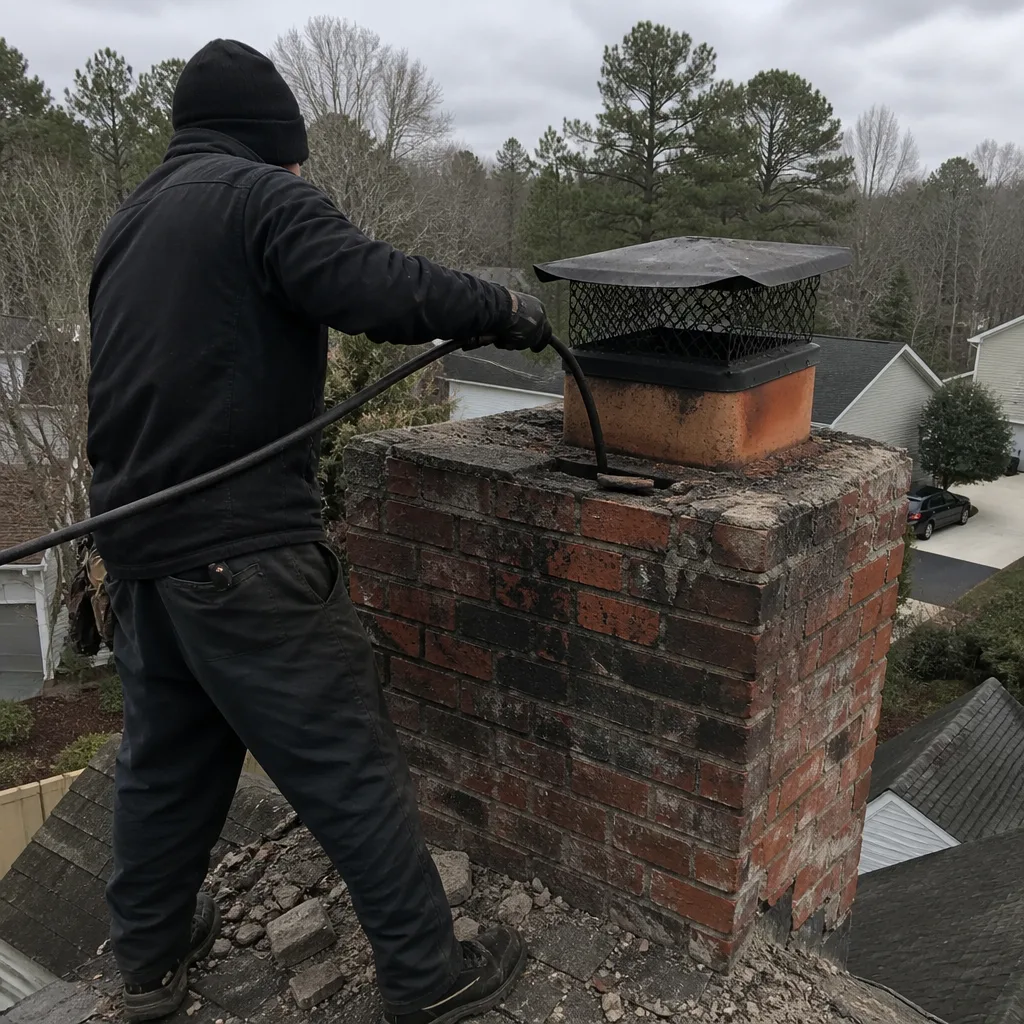 Before
 After
 Before
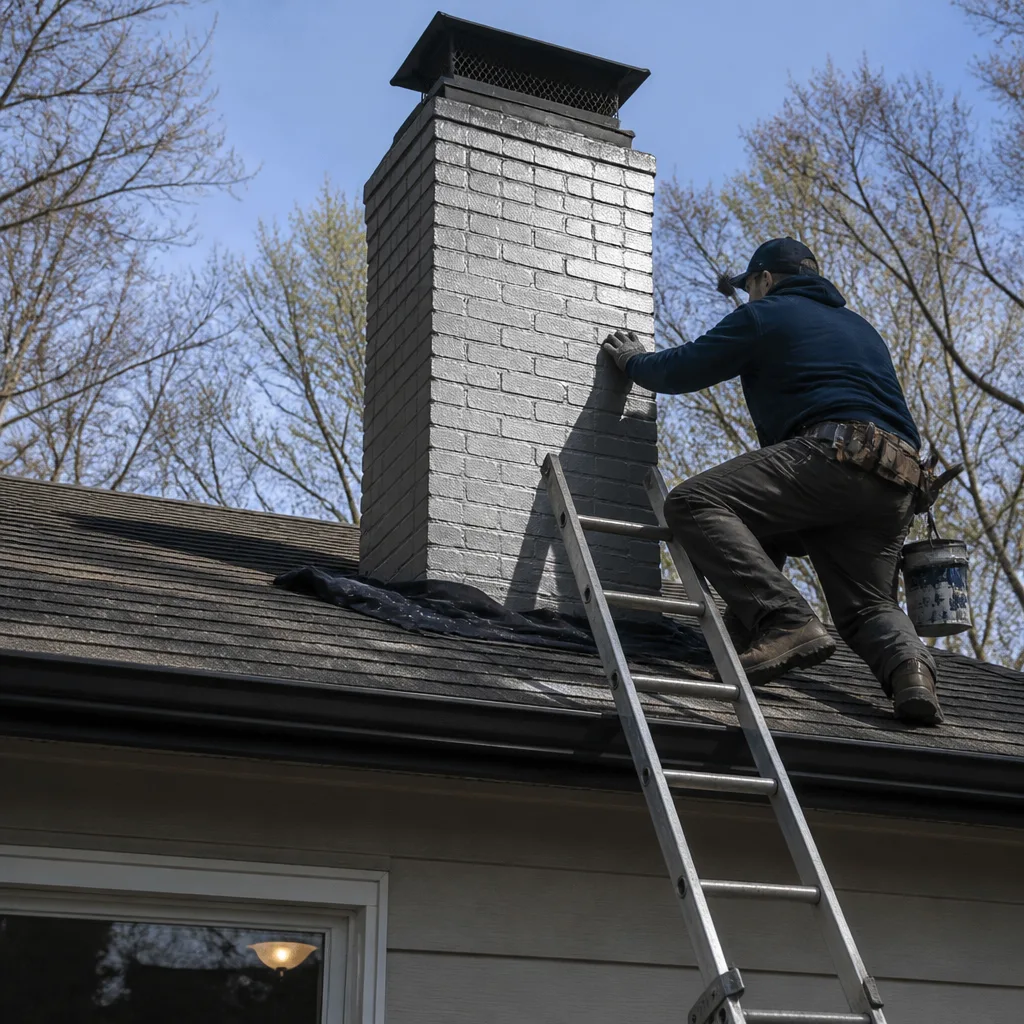 After
What HeatShield Chimney Sweep Costs in Sandy Springs
Most standard HeatShield chimney sweeps in Sandy Springs run between $229 and $379 with a Level 1 inspection included. A Level 2 camera inspection adds $100 to $150 if your flue hasn’t been checked recently or you’ve had water intrusion. If we find damage during the sweep that needs HeatShield patching, the material and labor typically adds $150 to $400 depending on the area. What moves the price most is the condition of the sealant: a smooth, well-cured HeatShield surface sweeps fast and costs less. One with lifted sections or heavy creosote pockets takes more time and care, and the price reflects that. You’ll get a written price before any work starts. Call (229) 459-1048 for a free estimate, and there’s no pressure to book on the spot.
Why Sandy Springs Homeowners Call Kindling Chimney Sandy Springs for HeatShield Work
Our whole approach is built around the idea that you should never have to wonder what the crew did or what the bill will be. Every job carries the 365-Day Done Right Promise: if it’s not right, we make it right. Every visit includes the Cedarwell Care Promise, which means shoe covers and drop cloths down, a written price before work begins, and a photo of the clean-up before we leave. Danny Cortes, our owner and lead chimney technician, trained at Los Angeles Trade-Technical College and has spent nearly two decades sweeping and inspecting chimneys across the Southeast. He takes his time on a HeatShield inspection because he knows a rushed sweep can damage sealant that costs thousands to redo. And when your HeatShield is beyond patching, we also work with DuraFlex and Gelco liner systems, so you get a straight recommendation rather than a brand push.
FAQs
No, routine chimney sweeping with appropriate brushes does not void a HeatShield warranty, as long as the sweep doesn’t use steel brushes or aggressive techniques that damage the cerfractory surface. We document the pre-sweep condition with camera footage on every HeatShield job, so if a warranty claim ever comes up, you have a record that the flue was sound before we touched it. Call (229) 459-1048 and we’ll walk you through what your warranty covers.
Most HeatShield chimneys in Sandy Springs used for wood burning should be swept annually, and homes with HeatShield EL systems may need it every six to eight months because the narrowed flue traps creosote faster. Gas-only fireplaces with HeatShield can usually go two to three years between sweeps, but an annual camera check is still a good practice given Georgia’s humidity. If you’re unsure when your last sweep was, we’ll take a look and tell you honestly whether it can wait.
Yes, in most cases HeatShield sealant can be patched using OEM HeatShield repair material or a high-temp aftermarket sealant, depending on how extensive the damage is and whether your warranty is still active. The repair involves cleaning the damaged area, applying the patch, and letting it cure before the next burn. If the damage covers a wide area or the underlying flue has structural issues, we’ll show you the camera footage and explain why a full reline with DuraFlex or Gelco might make more sense than another patch.
A HeatShield flue has a cerfractory surface that can be chipped or peeled by steel brushes, so we use poly brushes and adjusted RPMs, and on Hybrid systems we hand-clean the transition joints rather than running a rotary across them. A clay flue can handle more aggressive brushing, but that same aggression on HeatShield can turn a small lift into a large patch job. This is exactly the kind of thing that comes from actually working on these systems in Sandy Springs homes rather than reading about them in a manual.
Yes, we work throughout Sandy Springs, from the condos near Perimeter Center to the older wooded neighborhoods off Riverside Drive, Abernathy Road, and Spalding Drive. If your chimney is accessible from the roof or the firebox, we can sweep it. Same-day pricing holds across the whole area, and we’ll give you a written estimate before any work starts.
Written by Danny Cortes, Owner & Lead Chimney Technician, Kindling Chimney Sandy Springs at Kindling Chimney Sandy Springs, serving Sandy Springs and nearby areas.