
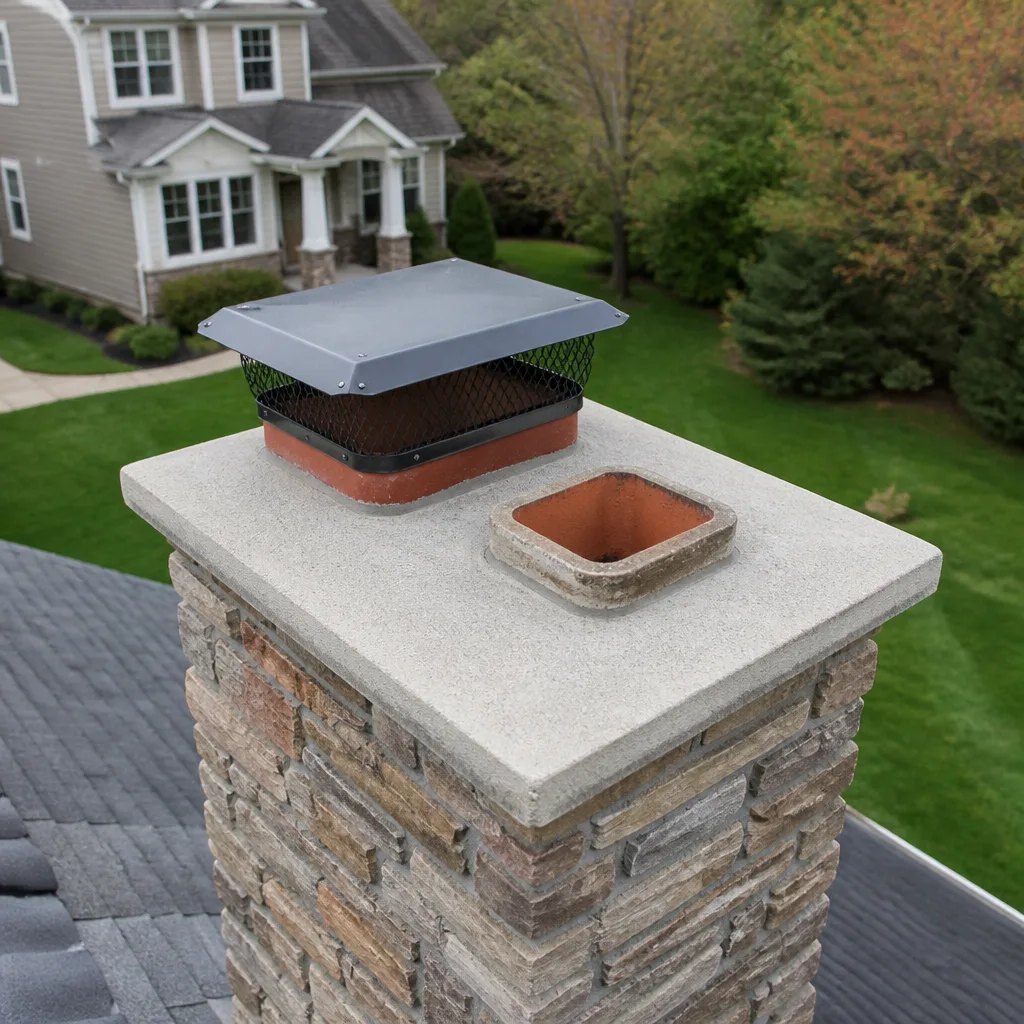
 Sweep & inspection
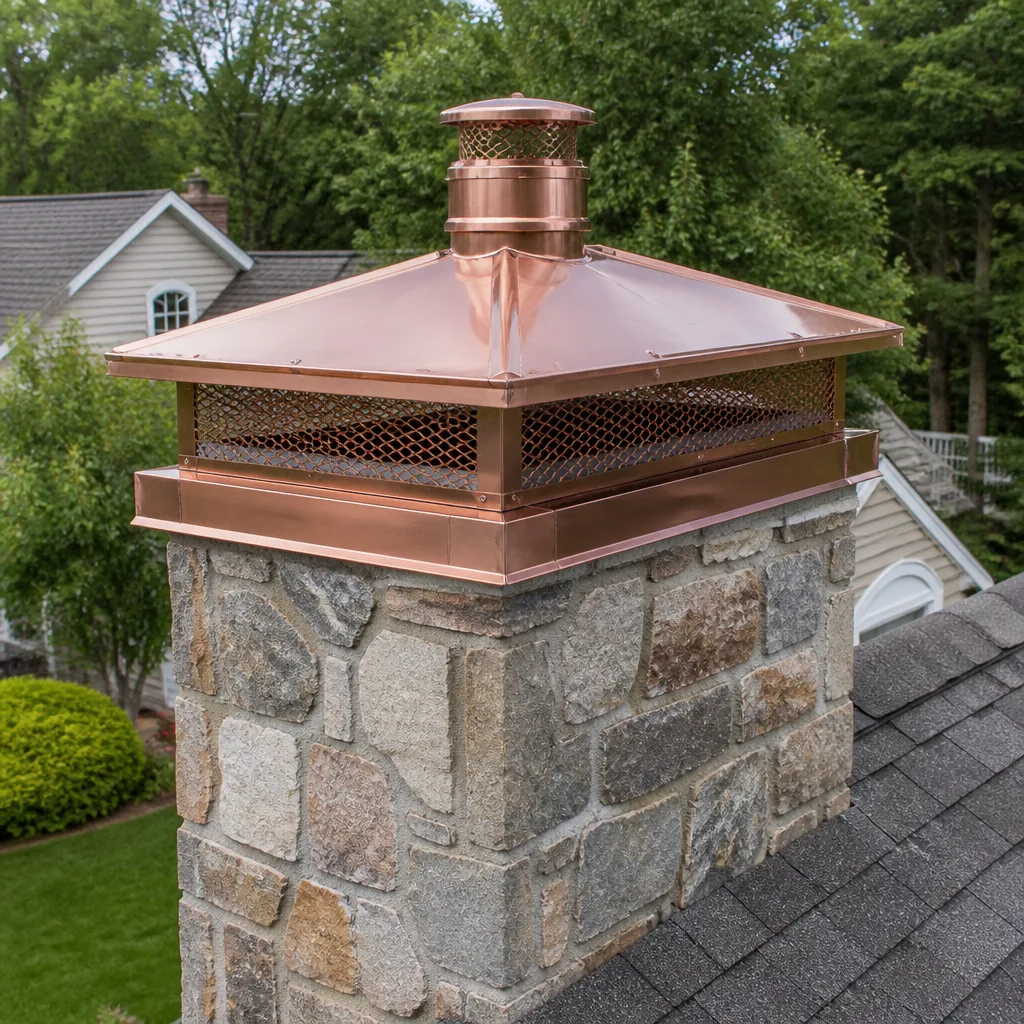 Caps & crowns
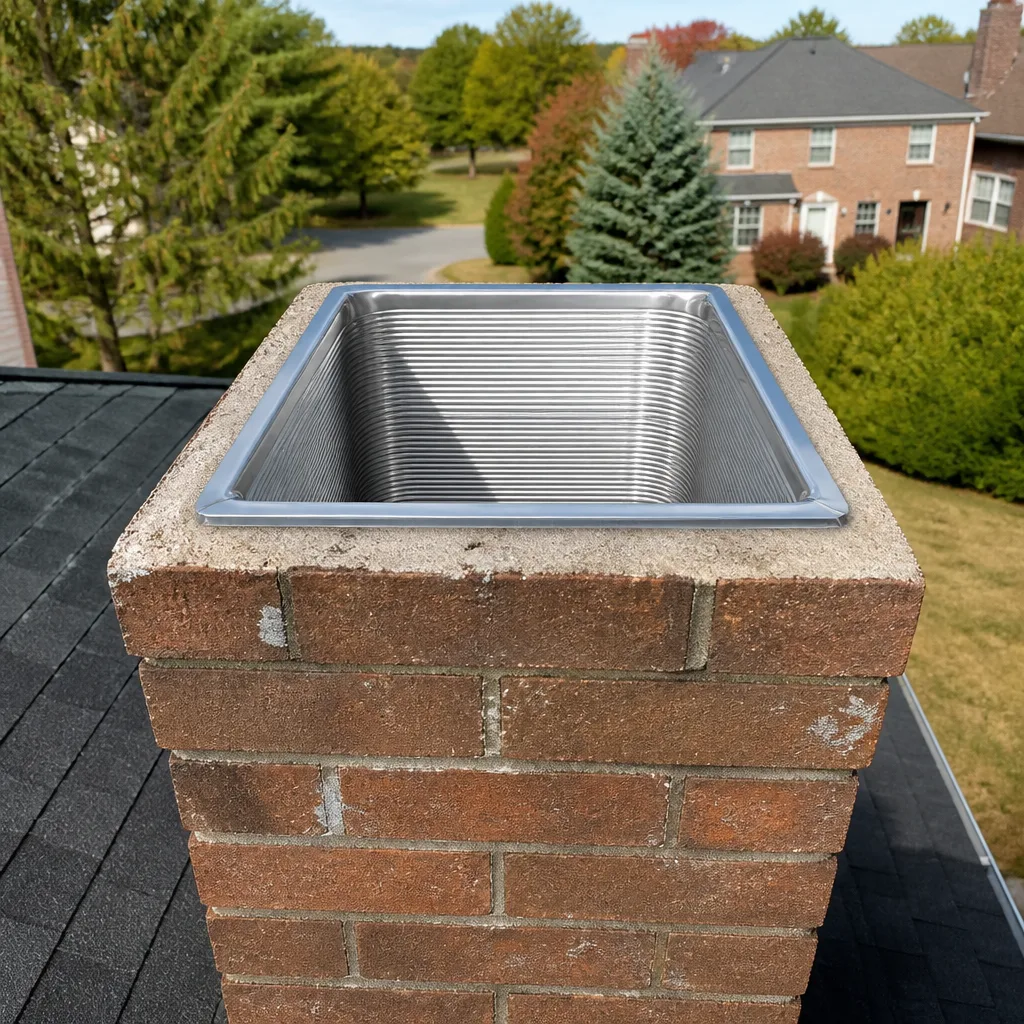 Flue relining
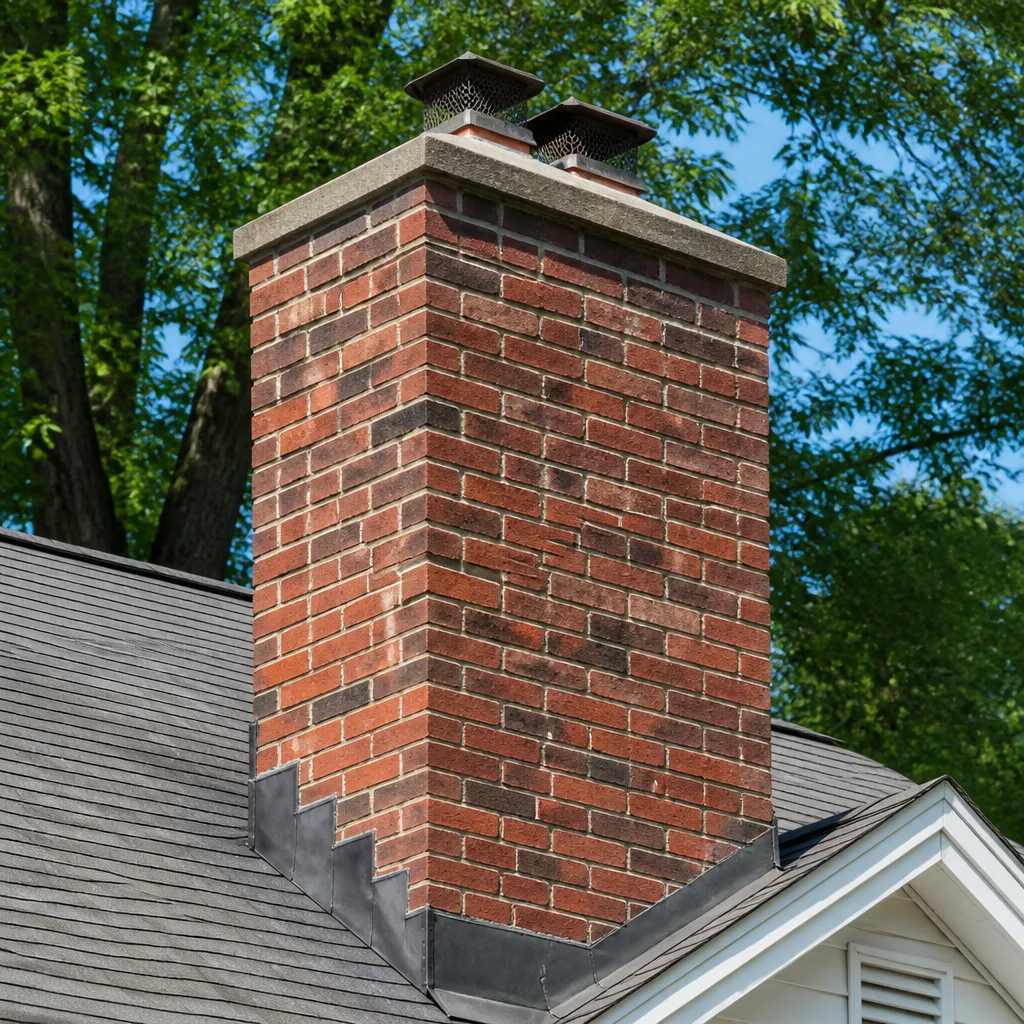 Masonry repair
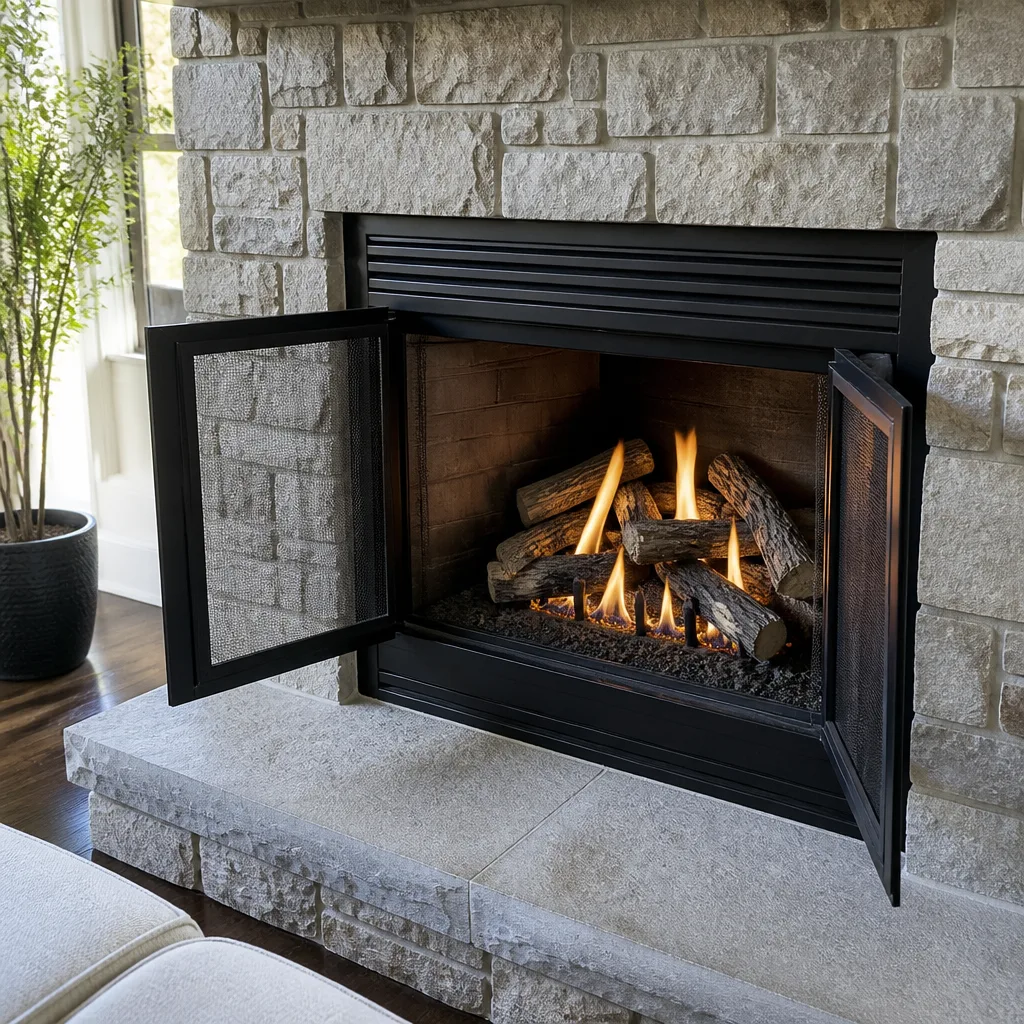 Gas fireplace service
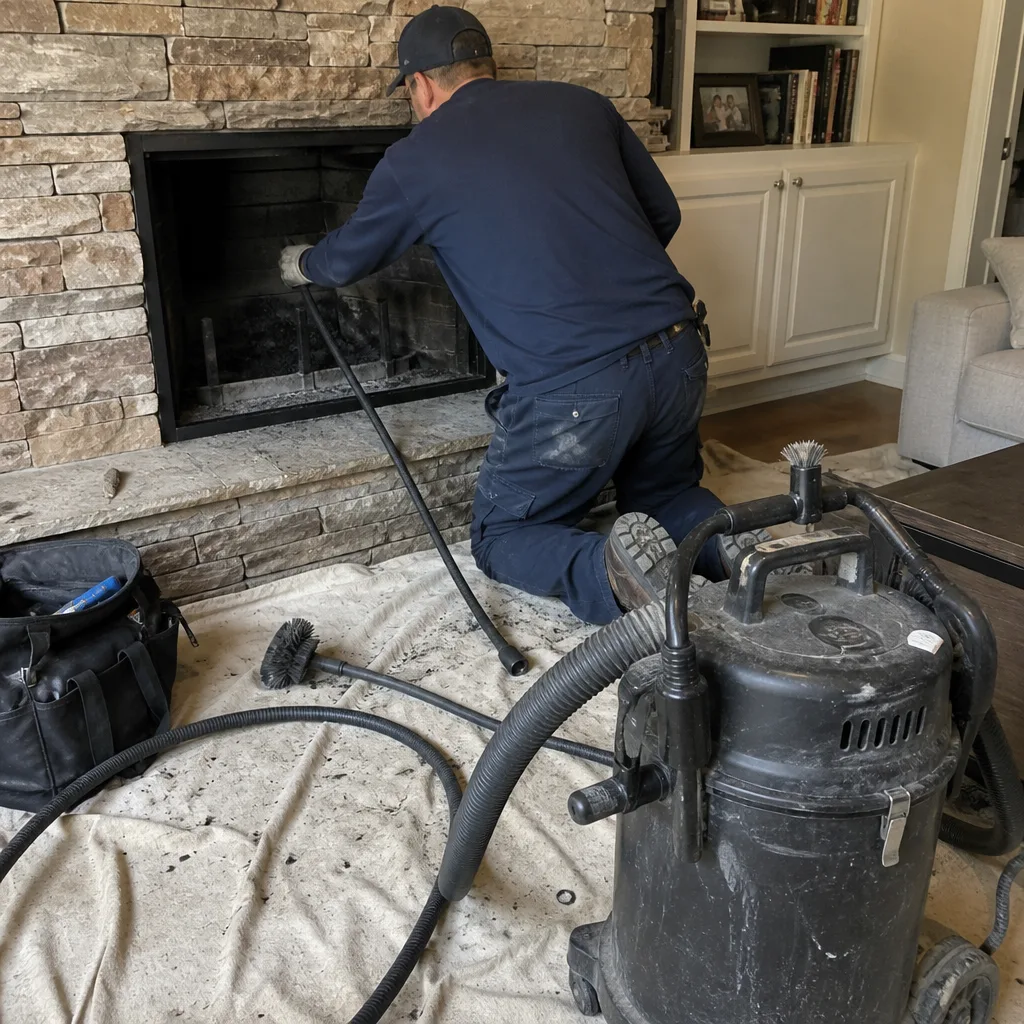
Level 1 sweep and inspection to the NFPA 211 annual standard - flue, crown, cap, and flashing checked and photographed
Chimney sweep logs do not sweep chimneys. They loosen some creosote - which then falls where a brush and vacuum still have to collect it.
HeatShield Chimney Cap Installation: The Sandy Springs Owner’s Guide
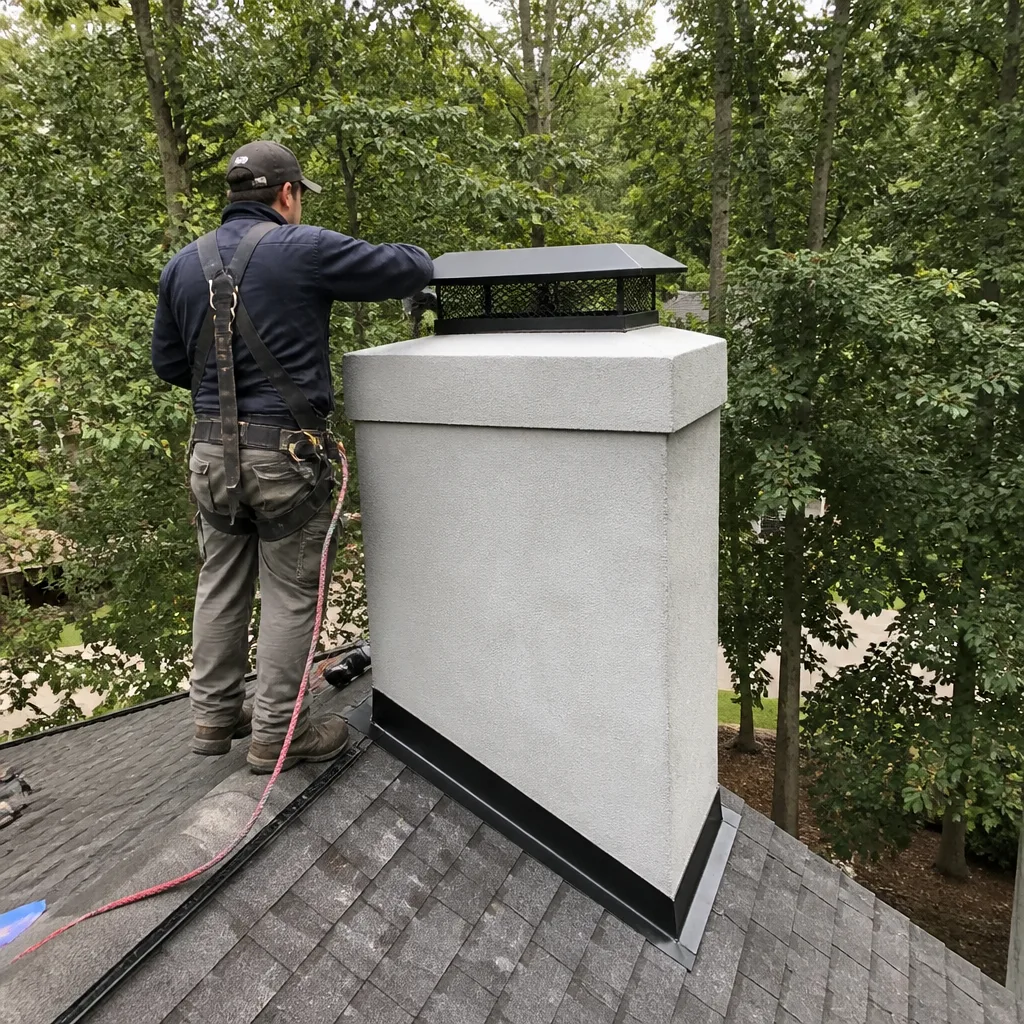
Kindling Chimney Sandy Springs installs and replaces HeatShield chimney cap systems throughout Sandy Springs, with most cap installations running between $385 and $740 installed depending on flue size and roof access. We carry HeatShield parts on our trucks, so most swap-outs happen in a single visit once we’ve matched the cap to your existing system. Where owners usually notice the problem is during a rainstorm: water dribbles down the firebox, or a rust stain appears on the ceiling near the chimney chase, and the failed cap is what let it in.
HeatShield caps are not universal. The brand builds their chimney cap line to match specific flue dimensions and liner systems, and a cap that’s off by half an inch will whistle, leak, or fail to seat at all. That’s the match we handle before any work begins: we confirm the HeatShield model, measure the flue, and show you the exact cap going on before we turn a screwdriver.
Which HeatShield Models This Applies To
HeatShield manufactures chimney caps in standard outer-diameter sizes, typically 6, 7, 8, 10, and 13 inches, and the installation method differs by liner type. If your chimney was relined with a HeatShield Cerfractory system, the cap usually mounts to a stainless steel top plate that anchors to the flue tile. If you have a HeatShield rebuild system sleeving an existing clay tile liner, the cap needs a tile-mount base instead, and the difference between the two is not something you want to guess at on a ladder.
Here’s the compatibility gotcha we run into in Sandy Springs: HeatShield’s own branded stainless caps are sized to finished outside diameter, not the interior flue dimension. A 13-inch by 13-inch clay flue often takes a 13-inch outside-diameter cap, but if the tile has spalling or mortar crown overflush around it, that cap will not seat correctly without a top plate adapter. This is the number-one reason a brand-new cap leaks or pulls loose within a year. Aftermarket stainless caps from Gelco or Olympia can sometimes fit, but when a homeowner has already matched a HeatShield liner system, we recommend keeping the cap in the same brand family to avoid the adapter gap.
We stock HeatShield, DuraFlex, and Gelco components on our trucks, and we order the rest before your install date so there’s no second trip.
Styles & brands we work with
Signs Your HeatShield Chimney Cap Installation Is Failing
- Water in the firebox after rain. This is the classic. The cap’s rain guard has rusted through, the mesh screen has torn, or the cap has lifted off its base. None of these fix themselves, and the water that reaches the firebox has already passed your damper and may have soaked the smoke shelf above it.
- Rust streaks on the chase or crown. A stainless cap that’s rusting was either never proper-grade stainless or has been exposed to years of Georgia humidity and creosote acid. When the cap corrodes, it usually takes the mounting hardware with it.
- Drafting problems and fireplace smoke coming into the room. A cap that’s partially collapsed or clogged with nesting material restricts the flue. The fireplace still draws a little, but not enough, and the smoke finds the living room instead.
- Scratching or animal sounds in the chimney. The mesh screen on a HeatShield cap is there to keep squirrels, raccoons, and chimney swifts out. Once that screen tears, animals treat your flue like a dry, quiet attic, and they do not leave politely.
- Cap is visibly tilted or missing from the ground. Sandy Springs gets enough wind shear and storm activity that we replace more caps after spring thunderstorms than any other season. A tilted cap means the base has loosened, and the next good gust will make it someone else’s roof problem.
See the difference
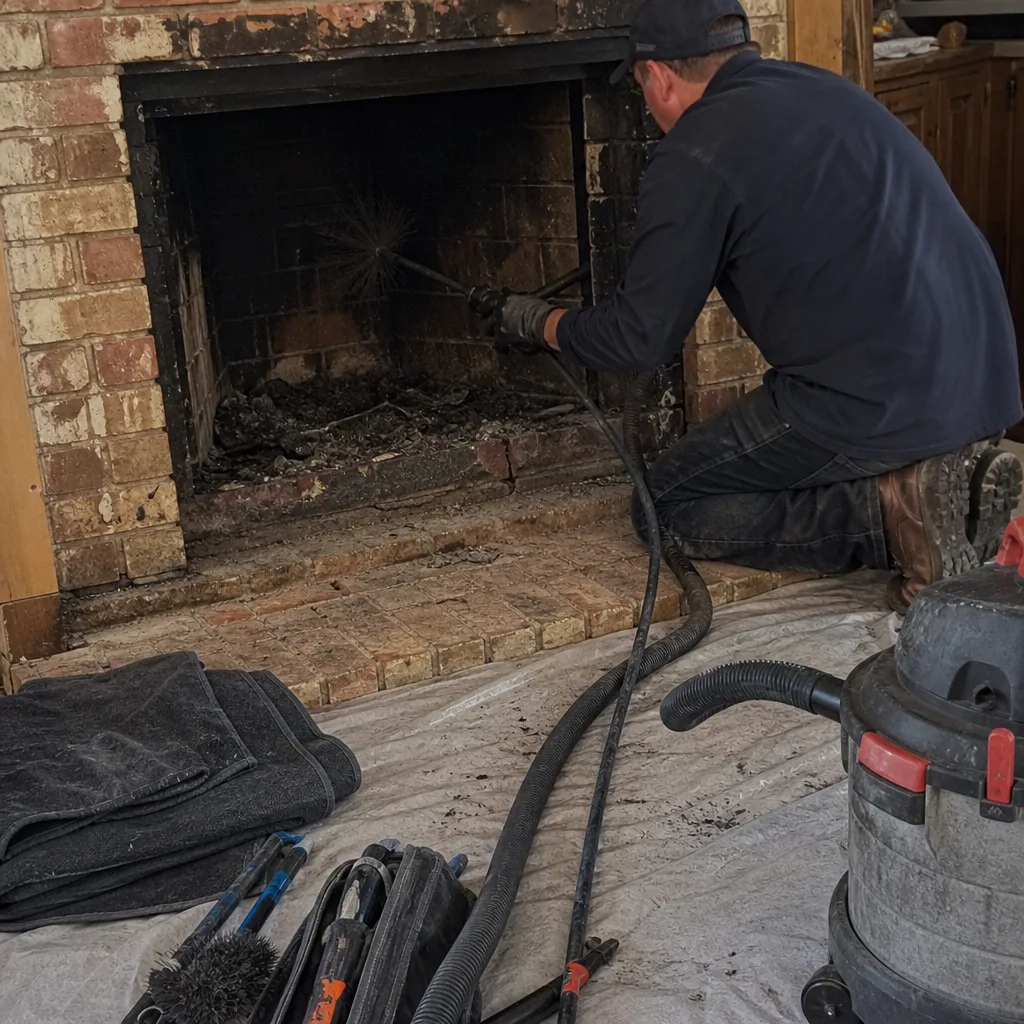 Before
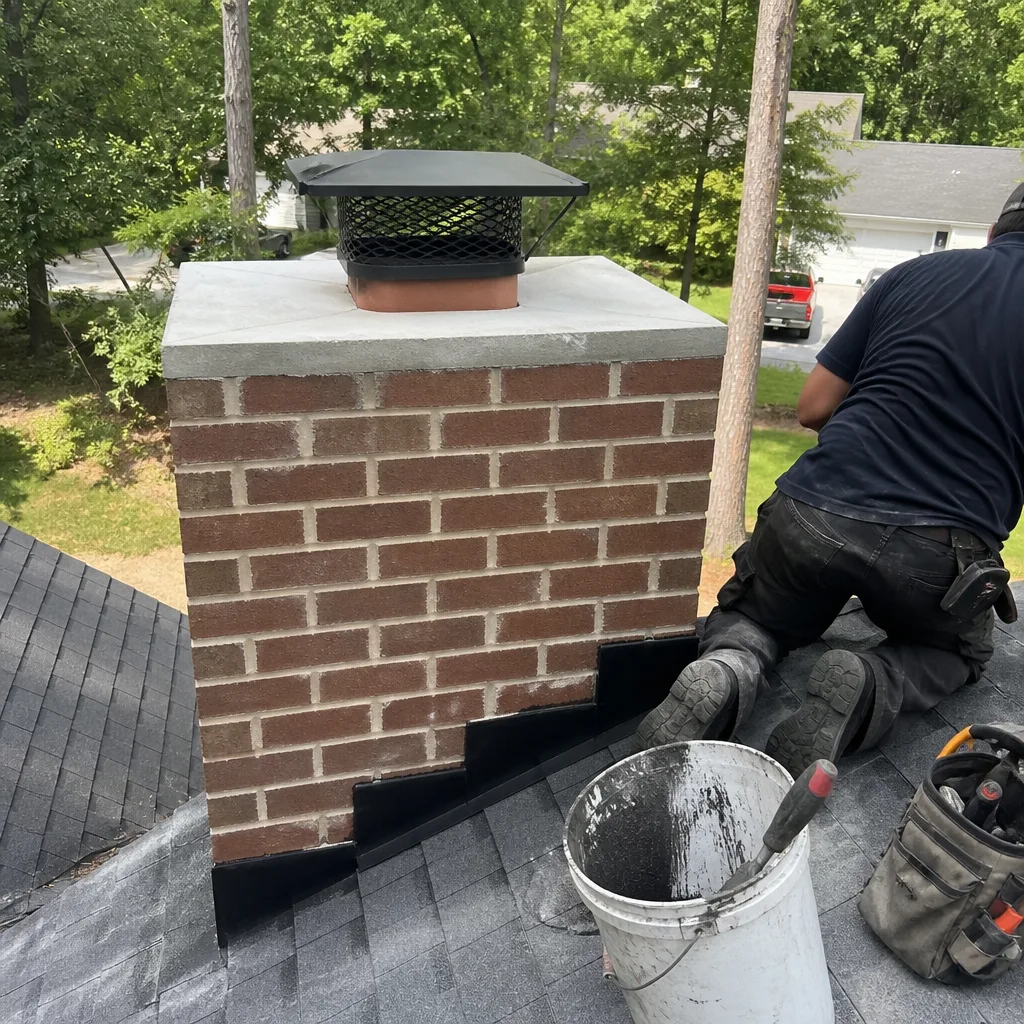 After
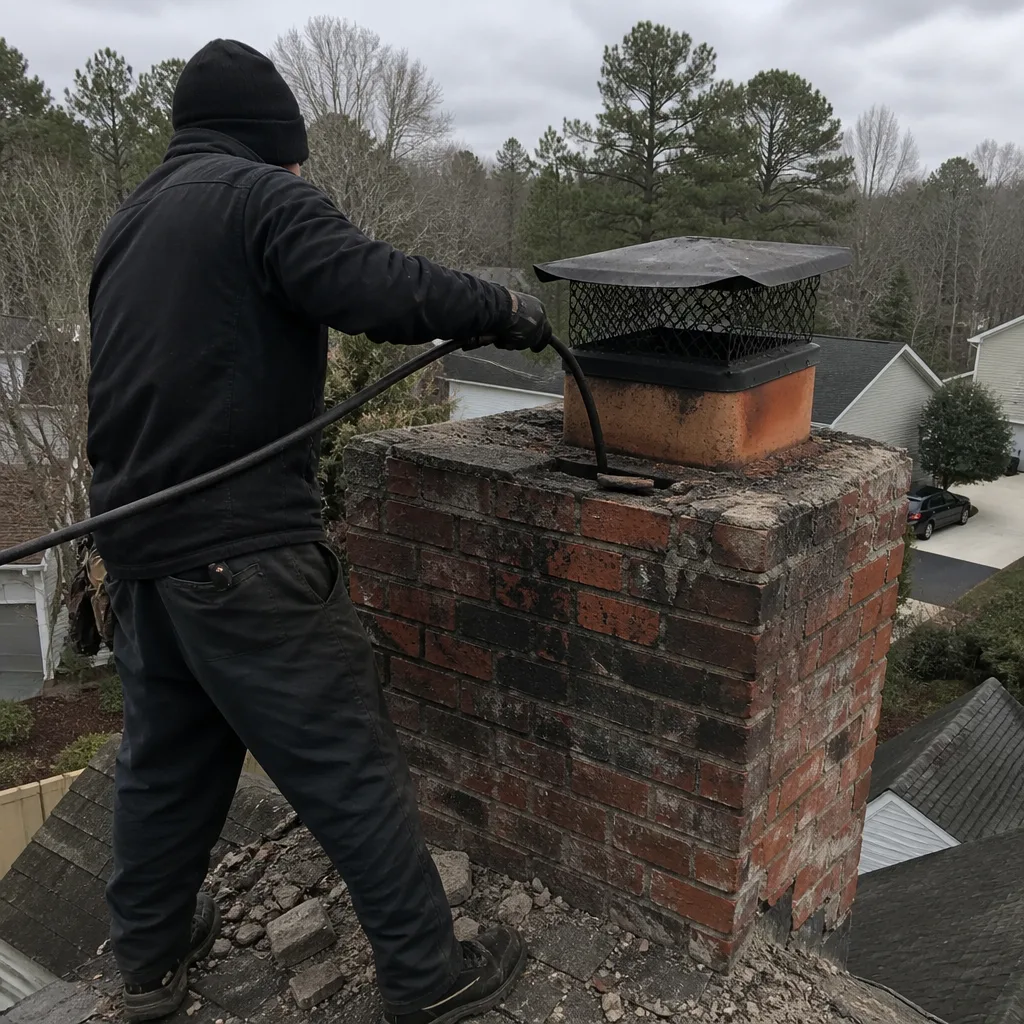 Before
 After
 Before
 After
Replacement Cost & What’s Included
For Sandy Springs, most HeatShield chimney cap installations run between $385 and $740. The spread comes from three things: flue size, roof pitch and access, and whether the existing top plate or mounting base can be reused. A straightforward single-flue cap on a shallow roof pitch with sound crown mortar sits at the lower end. A multi-flue cap, steep or tile roof, or rotted top plate pushes toward the upper end.
Every quote we give is a written price before any work starts. It includes the cap itself, the mounting hardware, removal and disposal of the old cap, a camera inspection of the top few feet of flue so you can see the condition above the damper, and the installation. The 365-Day Done Right Promise backs the whole thing: if the cap isn’t seated right, leaks, or the install doesn’t hold, we come back and make it right at no additional charge.
We’ll also tell you plainly if your cap can be re-used and the real problem is the crown or flashing. Not every leak is a cap failure, and we won’t sell you a cap your chimney doesn’t need.
DIY or Call Us?
Honest answer: you can inspect a cap yourself from the ground with binoculars, and you can note whether it’s tilted, rusted, or missing. What you shouldn’t do is take this install onto a roof. HeatShield cap installation means working at height, handling sheet metal with sharp edges, and often drilling into the crown or tiles, and on a Sandy Springs roof that’s warm and slick with pollen film through half the year, the risk of a fall outweighs any savings. We also see DIY caps sealed with hardware-store caulk that fails in eighteen months and leaves the homeowner worse off than when they started.
If you’ve got a HeatShield cap that needs matched and installed, call us at (229) 459-1048. We of Kindling Chimney Sandy Springs will come out, confirm the size, give you a written price, and have it done the same visit or the next.
FAQs
A properly installed HeatShield stainless cap typically lasts 12 to 15 years in Sandy Springs, with the main enemies being spring storm winds, summer humidity, and creosote acids from regular wood burning. Caps on heavily used wood-burning fireplaces tend to fail closer to the 10-year mark; gas fireplace caps often last longer because the exhaust chemistry is gentler on the metal. If your cap is past the 12-year mark and showing rust, replacing it now is cheaper than the water damage it will eventually let in. Call (229) 459-1048 for an exact quote, estimates are free.
Sometimes yes: a torn mesh screen or a loose mounting clamp can usually be repaired in place for under $150 in Sandy Springs. If the cap body itself is rusted through or warped, repair is a waste of money because the metal will keep failing. Danny Cortes has a rule he uses on every cap inspection: if the repair costs more than half a new cap, buy the cap.
Most single-flue HeatShield cap installations take between 45 and 90 minutes once we are on the roof. The bigger variable is scheduling: we book cap work during dry weather windows because roofing and sealant work need a dry surface to hold. When we give you a date, we stick to it. Call (229) 459-1048 to see when our next open dry-weather slot is.
We stock HeatShield caps in the most common Sandy Springs flue sizes and keep the mounting plates and adapters on the truck. For unusual sizes or multi-flue setups, we order directly and handle the whole process, you never need to source a part yourself. Buying a cap online without confirming the flue measurement is how half the bad installs we see got their start.
Call (229) 459-1048 for a free estimate on HeatShield chimney cap installation in Sandy Springs. A live person answers, every time.
Written by Danny Cortes, Owner & Lead Chimney Technician, Kindling Chimney Sandy Springs at Kindling Chimney Sandy Springs, serving Sandy Springs and nearby areas.