
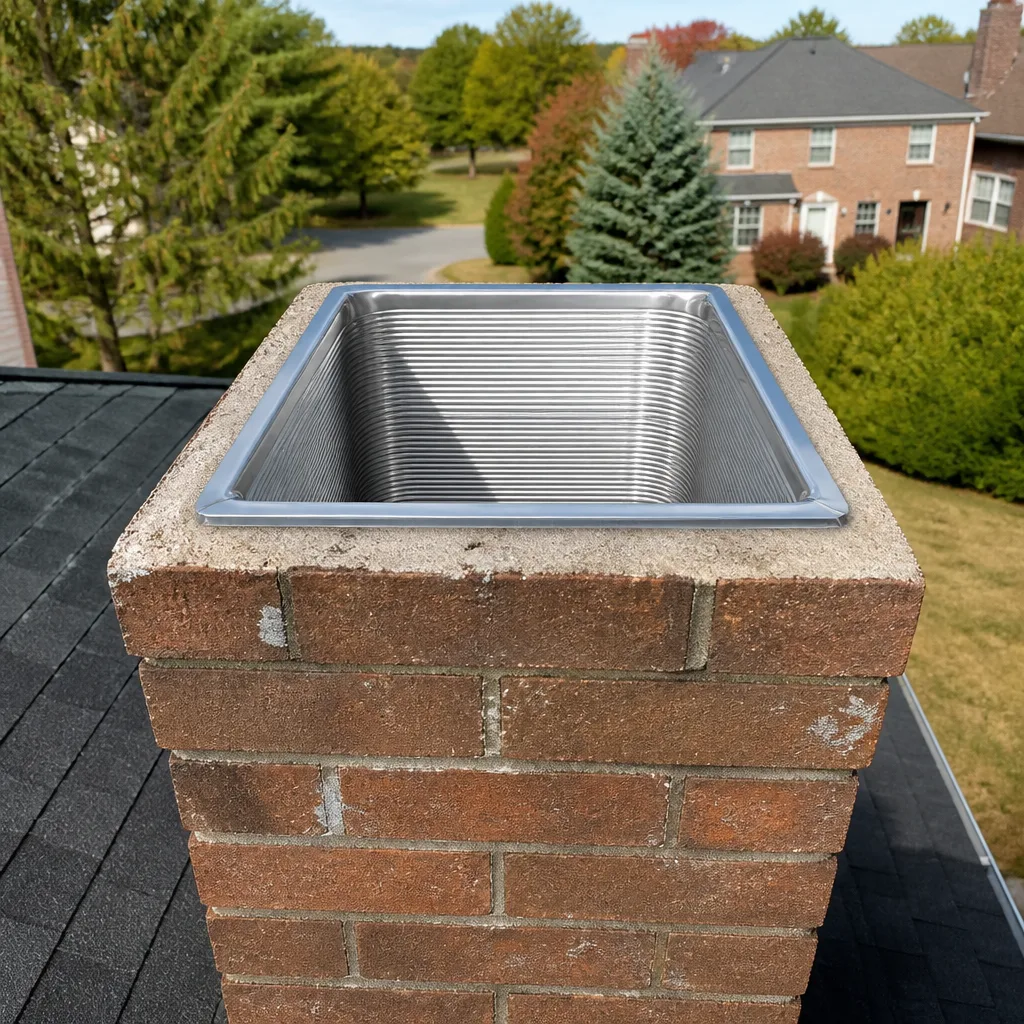
 Flue relining
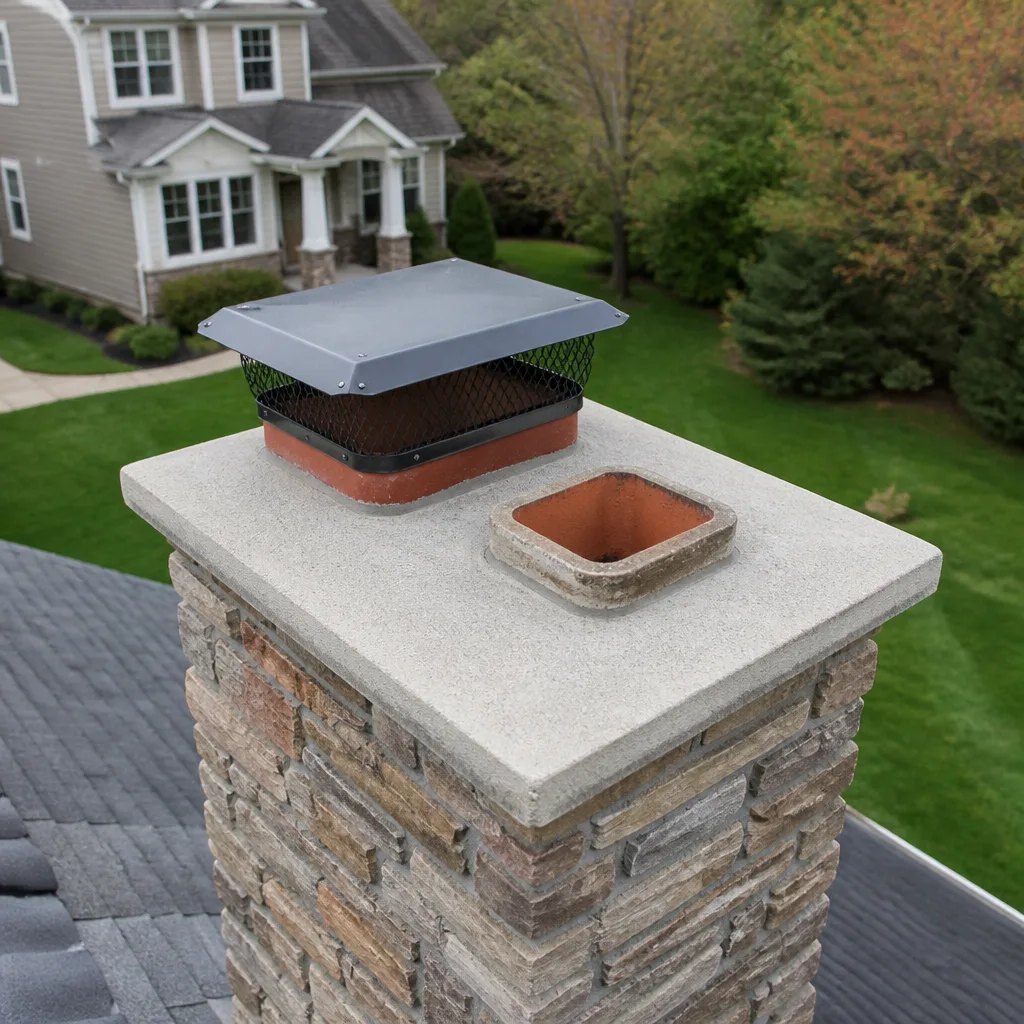 Sweep & inspection
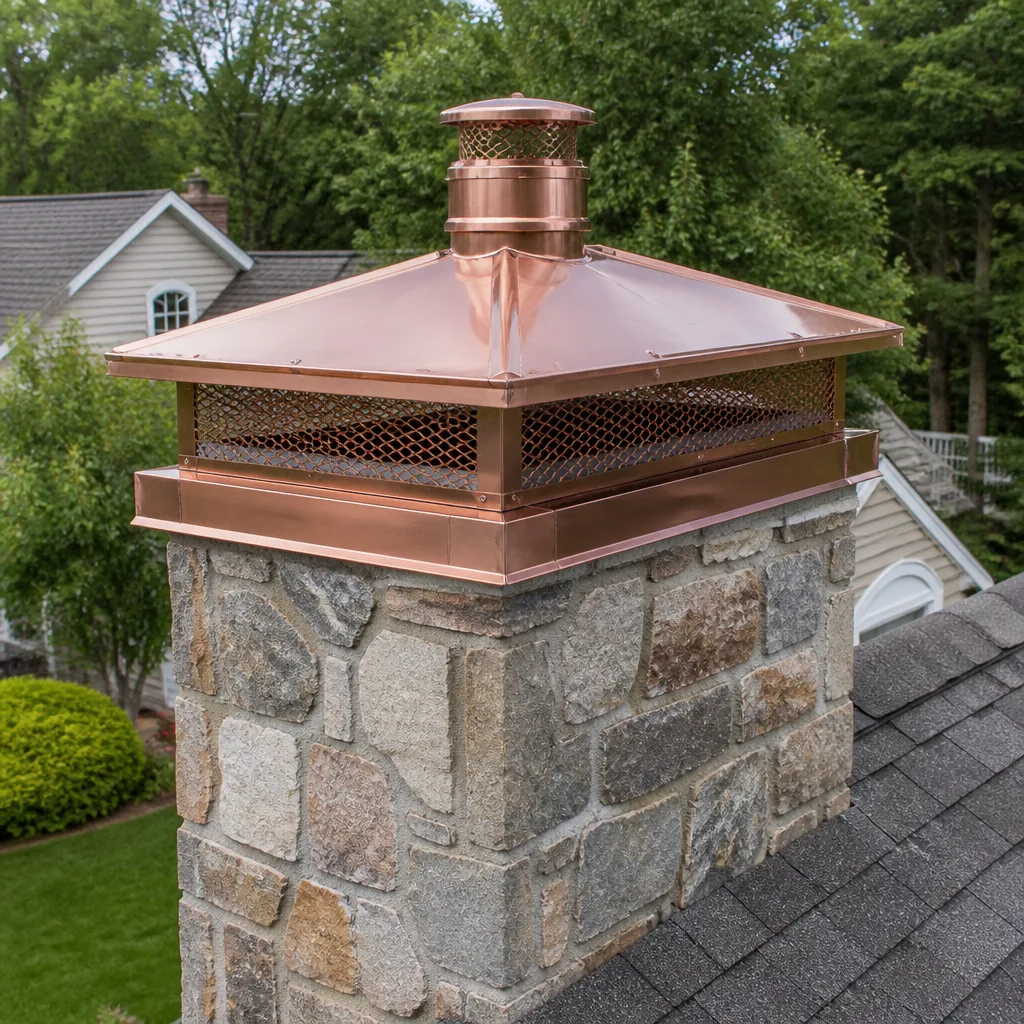 Caps & crowns
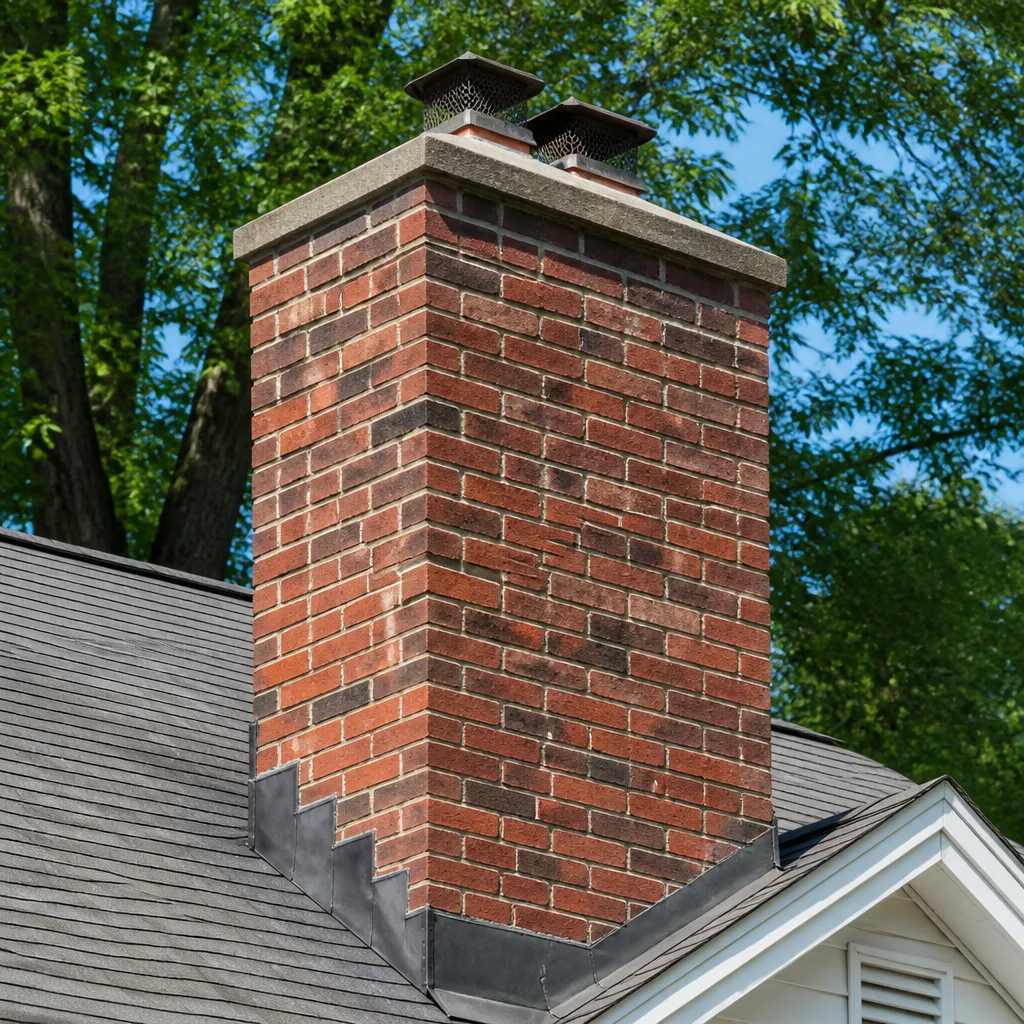 Masonry repair
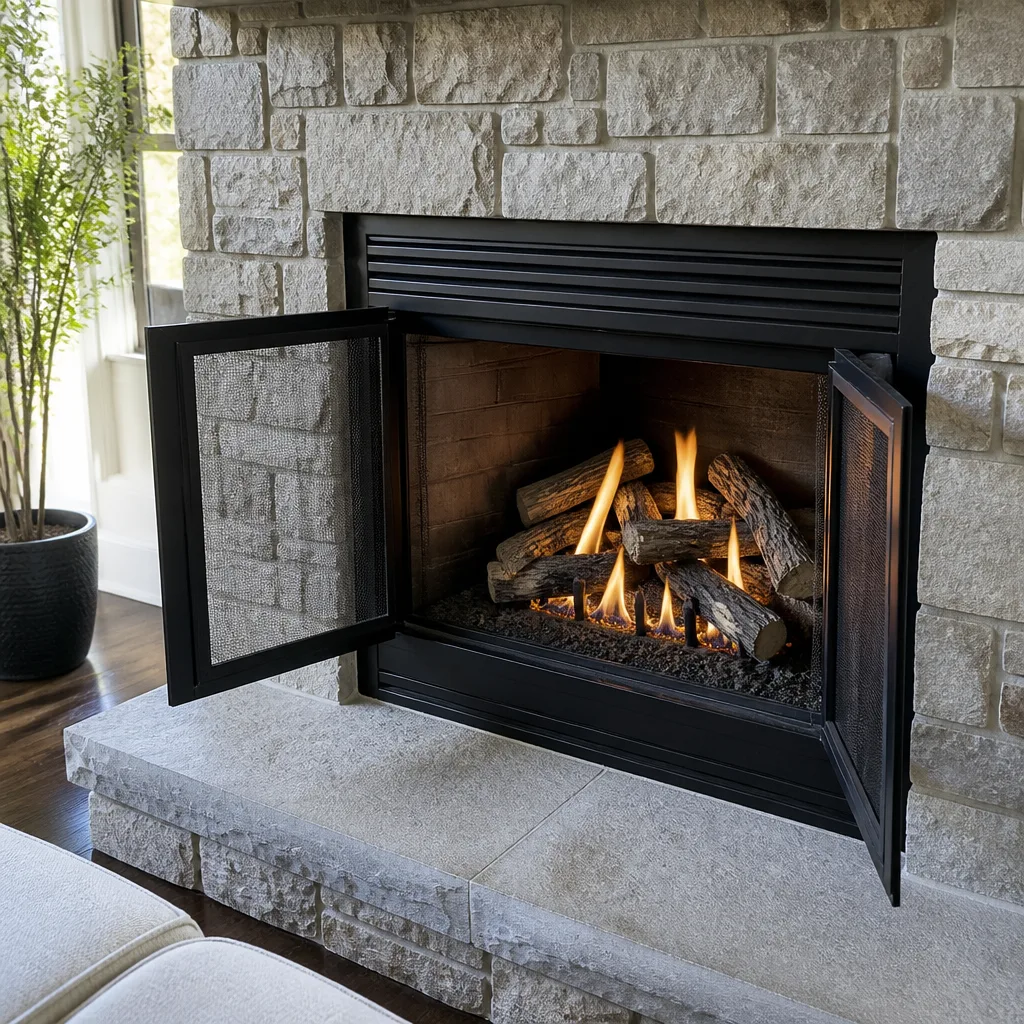 Gas fireplace service
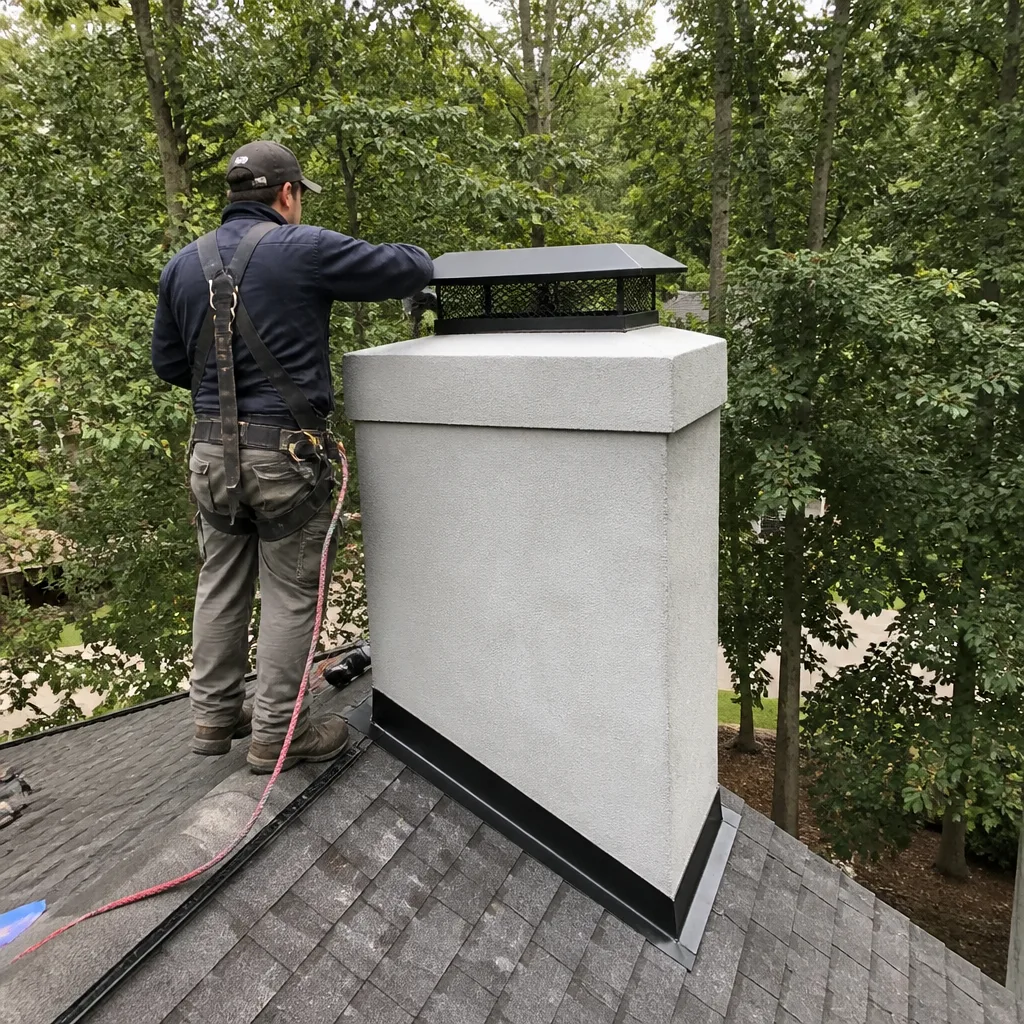
Level 1 sweep and inspection to the NFPA 211 annual standard - flue, crown, cap, and flashing checked and photographed
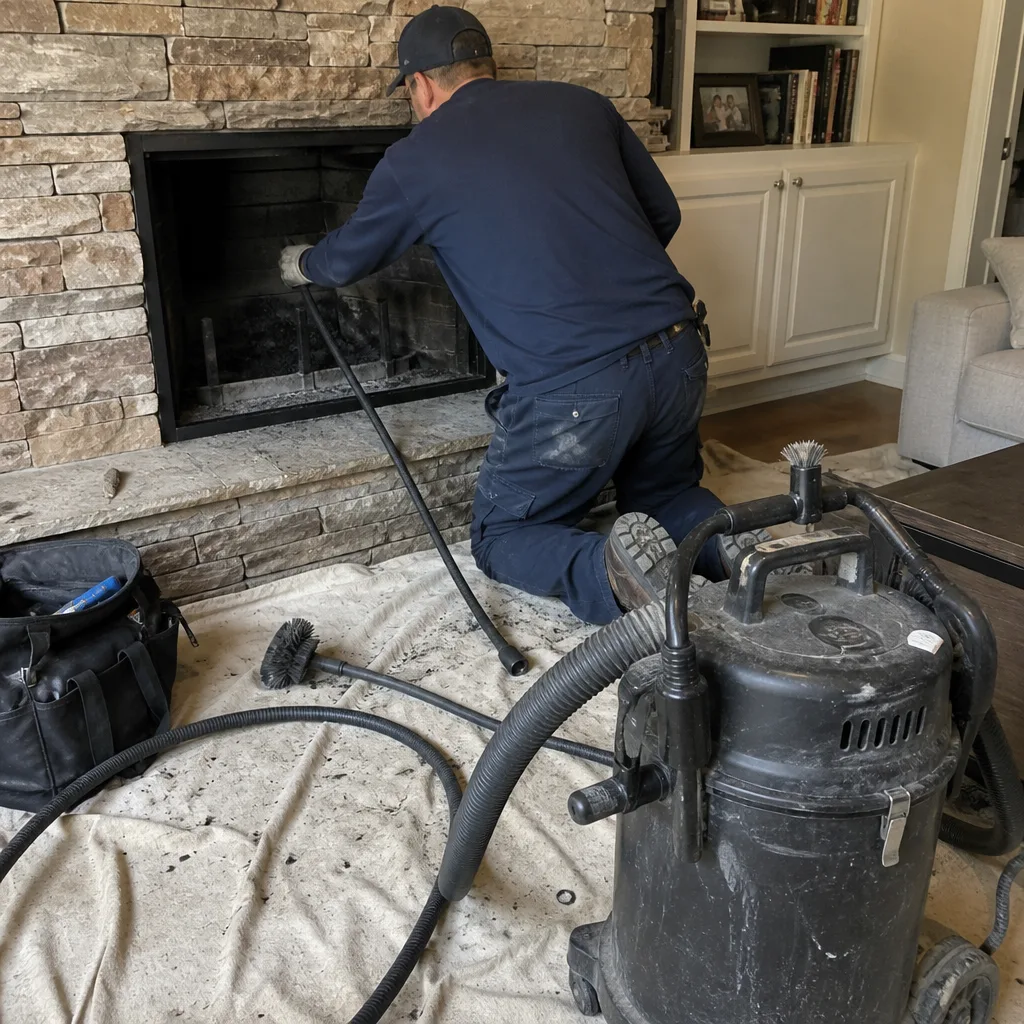
Chimney sweep logs do not sweep chimneys. They loosen some creosote - which then falls where a brush and vacuum still have to collect it.
Famco Flue Liner Replacement: The Sandy Springs Owner’s Guide
Kindling Chimney Sandy Springs stocks and installs Famco-compatible flue liner replacement parts for Sandy Springs homes, with most complete liner replacements running between $2,100 and $4,800 installed depending on flue height, liner diameter, and access. We carry Famco and equivalent professional-grade liners on our trucks for common Sandy Springs chimney configurations, so most replacements can be scheduled and completed the same week we inspect. Owners typically discover a failed Famco liner one of two ways: a Level 2 inspection after years of regular fires, or visible flaking, warping, or a rust-colored stain at the top of the chimney. Danny Cortes and our crew have replaced enough Famco liners in Sandy Springs to know that the failure is rarely sudden, it’s usually the slow but steady action of Georgia humidity plus acidic creosote, and by the time you see it from the ground, it’s already been working on the masonry for a while.
Which Famco Models This Applies To
Famco flue liners are common in older Sandy Springs houses, particularly in chimneys built before stainless steel became standard around the late 1980s. Famco’s product line runs from 4-inch up to 12-inch diameters, and the most frequently replaced sizes in Sandy Springs are 6-inch and 8-inch for fireplace flues, and 5-inch for older gas furnace or water heater vents. The original Famco liner in a wood-burning chimney is usually either a flexible stainless tube with a corrugated exterior or a rigid sectional liner that was mortared in during construction; both fail eventually, but they fail differently.
To identify which Famco liner you have, check the top plate or the first visible section at the flue opening. Famco stamps its name and diameter on the liner itself, usually near the top or bottom seam. If the stamp has worn away, the next clue is a tape measure across the inner opening. But there’s a Famco-specific gotcha we see regularly in Sandy Springs: Famco’s nominal sizes don’t always match modern equivalents exactly. An “8-inch” Famco liner from the 1970s may have an inner diameter closer to 7 and 5/8 inches, which means a modern 8-inch stainless liner won’t drop in without a connector or adapter, and sometimes it won’t fit at all. We measure, we match, and we won’t force a liner that fights the flue.
As for OEM Famco versus quality aftermarket equivalents: Famco no longer supports every legacy size with factory parts, and when factory stock exists, it often costs twice as much as a correctly matched professional liner with equal or better metallurgy. We use Famco parts when they’re the right call and available, and we use equivalent 316L stainless liners from brands like DuraFlex when they fit better or last longer in the acidic environment of a wood-burning Sandy Springs chimney. Kindling Chimney Sandy Springs is an independent service provider and not affiliated with Famco, so our recommendation is always based on what that specific chimney needs, not on a brand loyalty that stopped making sense decades ago.
Styles & brands we work with
Signs Your Famco Flue Liner Replacement Is Failing
- Flaking or scaling on the liner interior – This is the classic late-stage symptom. Years of creosote cycling plus the moisture that Georgia air pushes into every chimney skin causes the liner’s inner wall to shed thin sheets of oxidized metal. Once flaking starts, the liner is already significantly thinner than original spec and won’t self-heal.
- Rust staining or streaking at the chimney crown or in the firebox – When a metal liner corrodes through, water makes contact with the liner’s outer wall and carries rust downward. A reddish-brown drip trail on the back wall of the firebox is usually not a masonry problem; it’s liner metal oxidizing from the inside out.
- A persistent damp smell near the fireplace, especially after rain – A failed liner lets water migrate into the flue cavity and wick into surrounding masonry and drywall. In Sandy Springs, where summer rain is frequent and humidity is a constant, this smell shows up long before visible damage does.
- White, chalky deposits near flue seams or joints – Efflorescence on the chimney’s interior or around the firebox opening tells us water is moving through masonry. When a Famco liner fails, the flue cavity becomes a moisture channel, and the masonry does what masonry always does with trapped water: it shows you.
- Visible warping, separation, or a gap at the liner-to-flue connection – During an inspection, we can see when sections have shifted or when the liner has pulled away from the clay tile surround. This gap lets heat reach combustible framing and lets water reach everything else.
See the difference
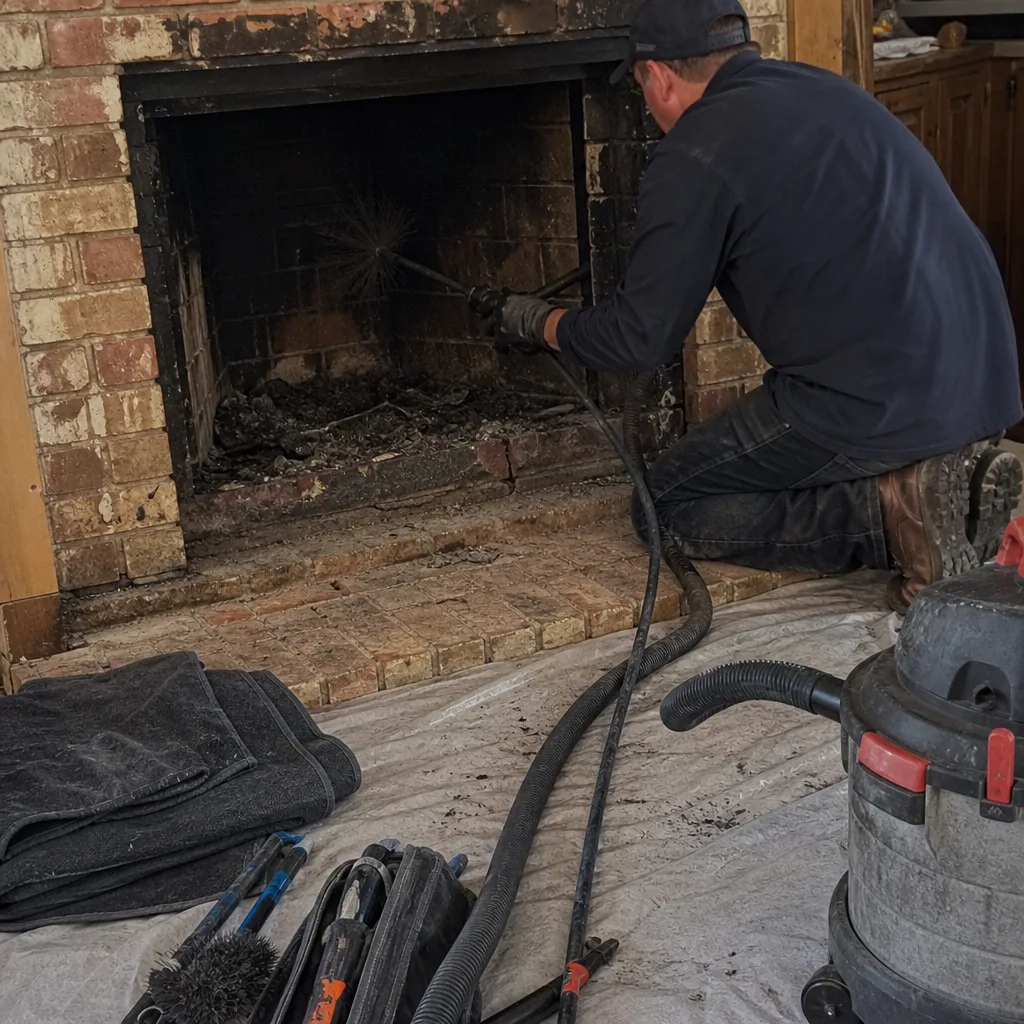 Before
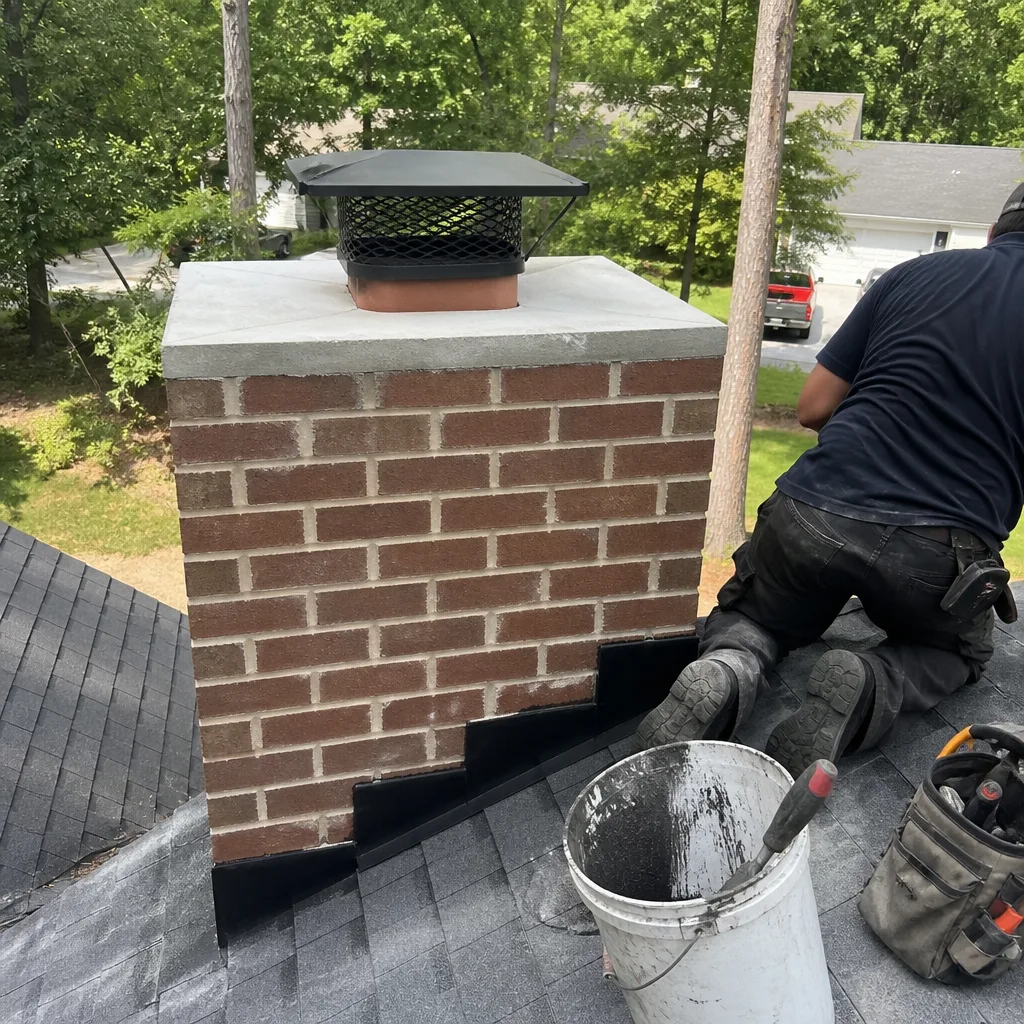 After
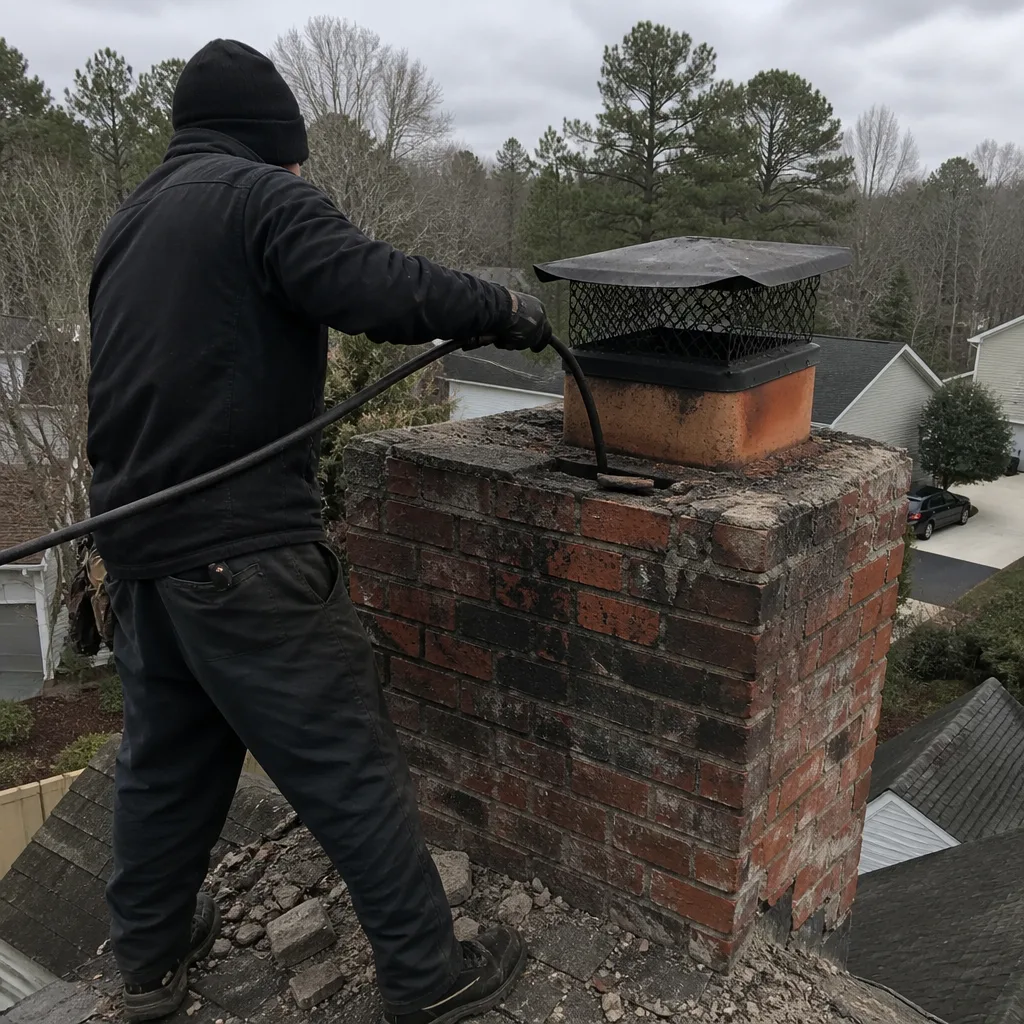 Before
 After
 Before
 After
Replacement Cost & What’s Included
For a standard single-story Sandy Springs chimney, a full Famco-compatible flue liner replacement usually runs between $2,100 and $3,300. Two-story chimneys with longer runs and steeper roof pitches fall between $3,000 and $4,800. What moves the number: chimney height, liner diameter (a 12-inch liner costs more than a 6-inch, and wider liners mean more demolition if the old mortar bed needs to be opened), roof access difficulty, and whether the old liner comes out cleanly or needs to be cut into sections because it’s rust-welded to the clay tile.
Every replacement we quote includes the written price before work starts, the new liner material, removal and disposal of the old Famco liner if it can be pulled, the connection hardware and top plate, and a Level 2 camera inspection before and after so you see exactly what was replaced and why. We also include the cleanup: drop cloths down before the first tool comes out, a photo of the finished work area before the crew leaves, and the 365-Day Done Right Promise behind every part of the job. No add-on pricing at the door, no “we found more once we opened it up” without a call and a written revision first.
DIY or Call Us?
If you’re handy and want to understand the problem before anyone quotes anything, there are safe things an owner can do: shine a bright flashlight up the flue from the firebox and look for obvious flaking, rust streaking, or water staining. You can also check the chimney’s exterior for cracks in the crown or missing mortar joints. That’s a reasonable Saturday-morning inspection and it helps you ask better questions.
But liner replacement itself is not a DIY job, and not because anyone says so arbitrarily. You’re working with heavy metal sections that don’t bend the way you want them to, at height, over a masonry opening that may be hiding unstable surrounding structure. A liner that’s not properly sized and secured can shift, separate at a seam, or leave a gap that sends heat and exhaust into places they don’t belong. The risks are house fires and carbon monoxide, and neither one gives you a warning shot. If the symptoms above match what you’re seeing, call us at (229) 459-1048 and we’ll send a technician who measures, inspects with a camera, and gives you a written price before any work begins.
FAQs
In Sandy Springs, a Famco liner in a regularly used wood-burning fireplace typically lasts 20 to 35 years, though Georgia’s humidity and acidic creosote can shorten that to 15 years or less if the chimney wasn’t swept regularly. The liner in a gas furnace flue tends to last longer because the exhaust is less acidic, but condensation still does its work over decades. When we inspect a liner and find it at or past the 20-year mark, we show you the camera footage and talk about what’s still safe versus what’s living on borrowed time. Call (229) 459-1048 for an exact condition assessment on your chimney, the camera inspection is included with every Level 2.
In our experience, small pinholes and hairline cracks in an otherwise sound Famco liner can sometimes be addressed with a stainless sleeve or a resurfacing product like HeatShield, but once flaking or section separation has started, patching buys you a year or two, not a solution. The deciding factor is always what the camera shows after cleaning: if the liner’s structural thickness is still solid, repair makes sense; if the inner wall is shedding metal, the liner is already failing at the molecular level and replacement is the only honest answer. We’ve told plenty of Sandy Springs homeowners their liner can wait, and we tell them when it can’t, the numbers don’t change based on which answer we give.
A typical one-story Sandy Springs Famco liner replacement takes one full day with a two-person crew: removal of the old liner, prep of the flue cavity, installation of the new liner, connection and top plate work, and cleanup. Two-story chimneys or chimneys where the old liner is rust-welded into the clay tile can run into a second day, and we’ll tell you that before we start, not after. The home is protected the whole time, drop cloths and shoe covers first, and the fireplace area is left as we found it except cleaner.
We stock the common Sandy Springs sizes on the truck, 6-inch and 8-inch stainless liners, plus the connectors, top plates, and caps that go with them, so most replacements can happen the same week as the inspection. When a chimney needs an unusual size or a Famco-specific legacy diameter, we special-order the exact match and schedule the install as soon as it lands, usually within a week. Call (229) 459-1048 and we’ll confirm what we have on the truck for your chimney before you book anything.
Written by Danny Cortes, Owner & Lead Chimney Technician, Kindling Chimney Sandy Springs at Kindling Chimney Sandy Springs, serving Sandy Springs and nearby areas.