
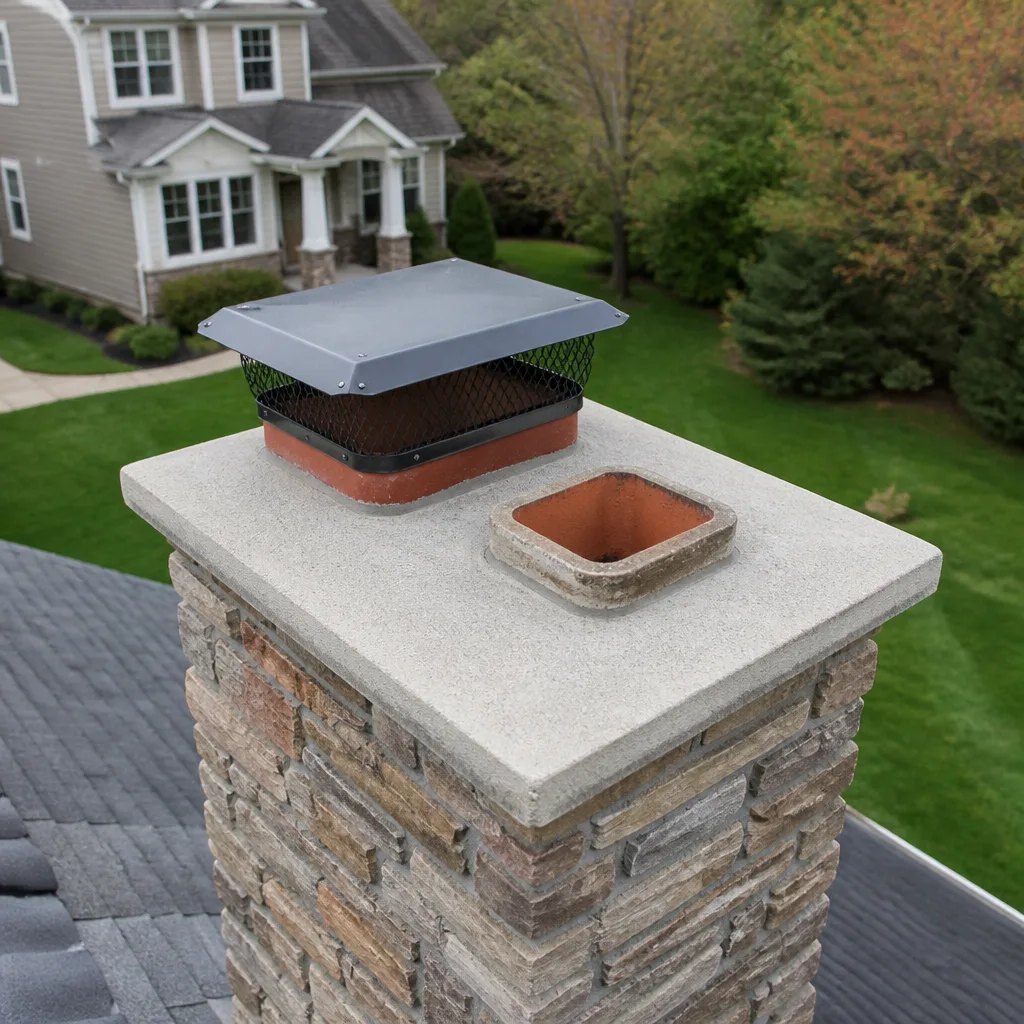
 Sweep & inspection
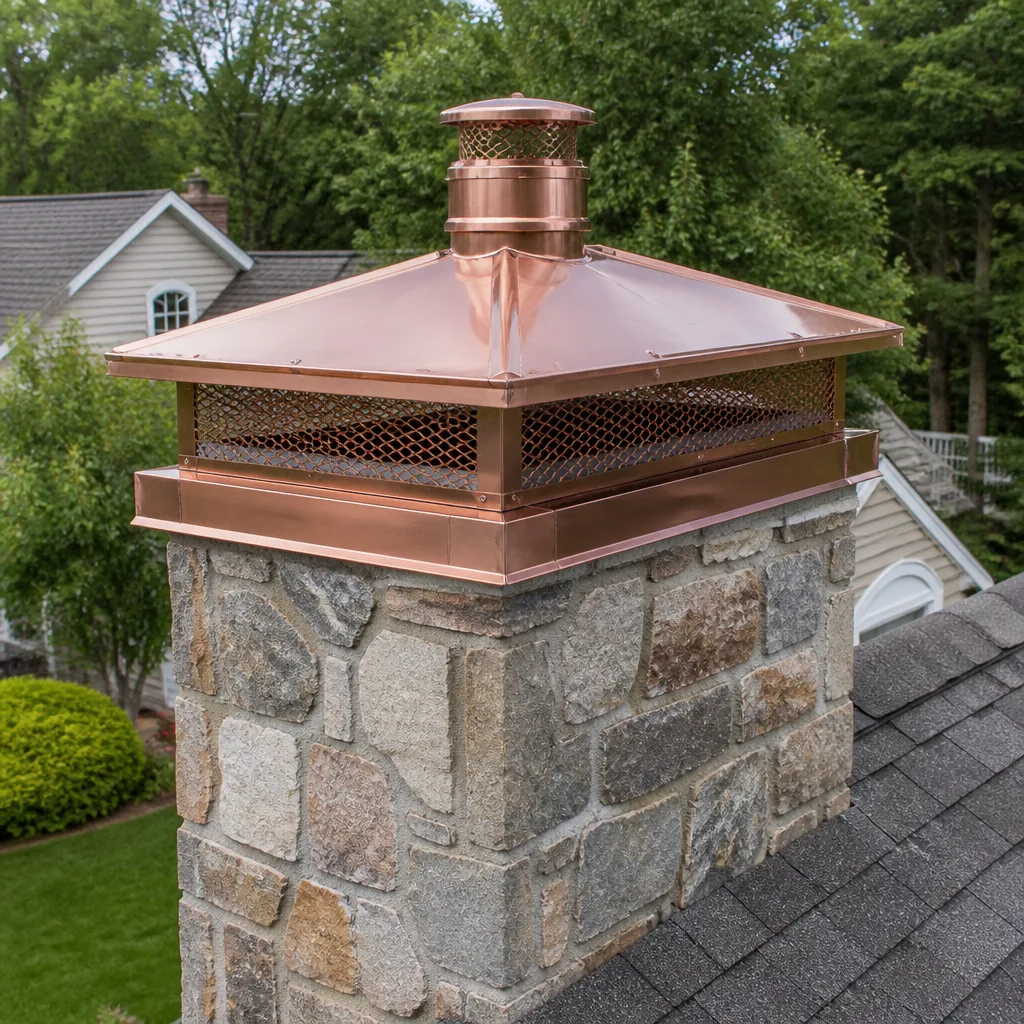 Caps & crowns
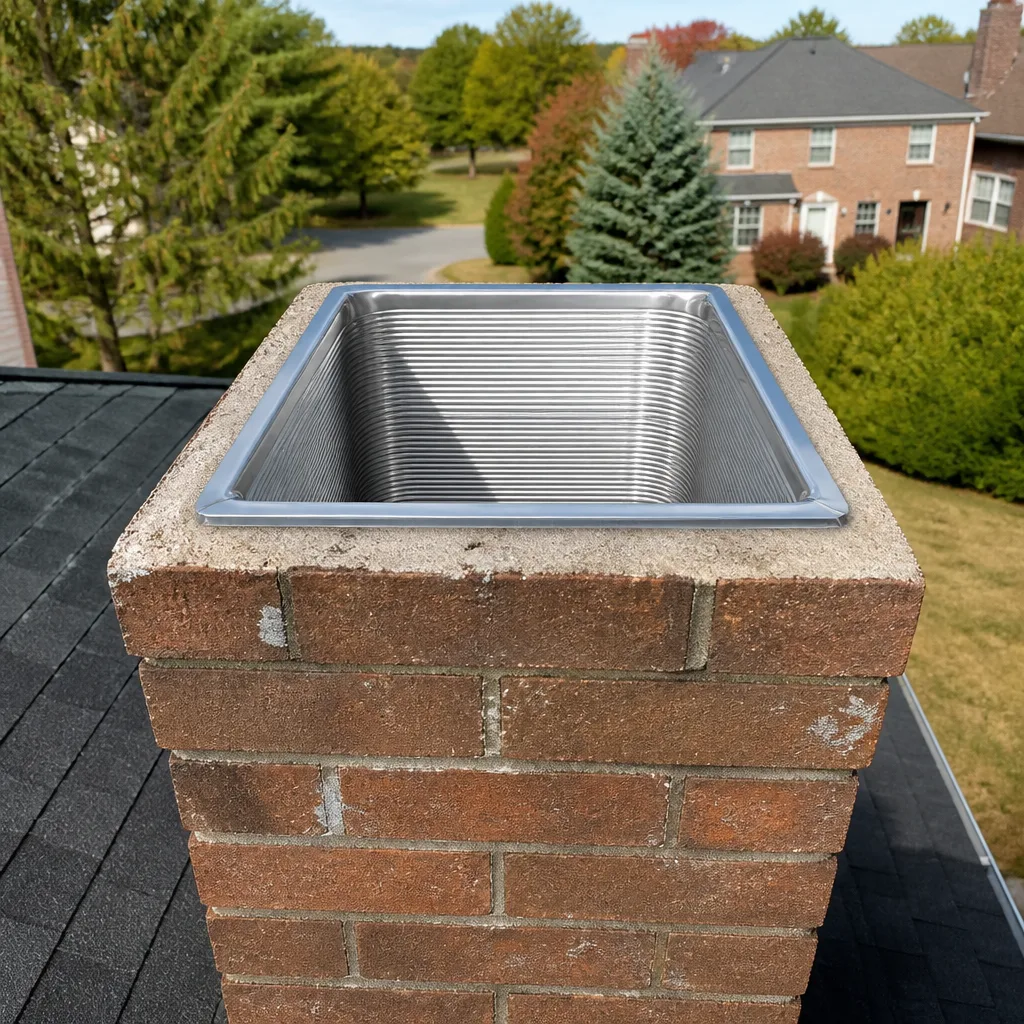 Flue relining
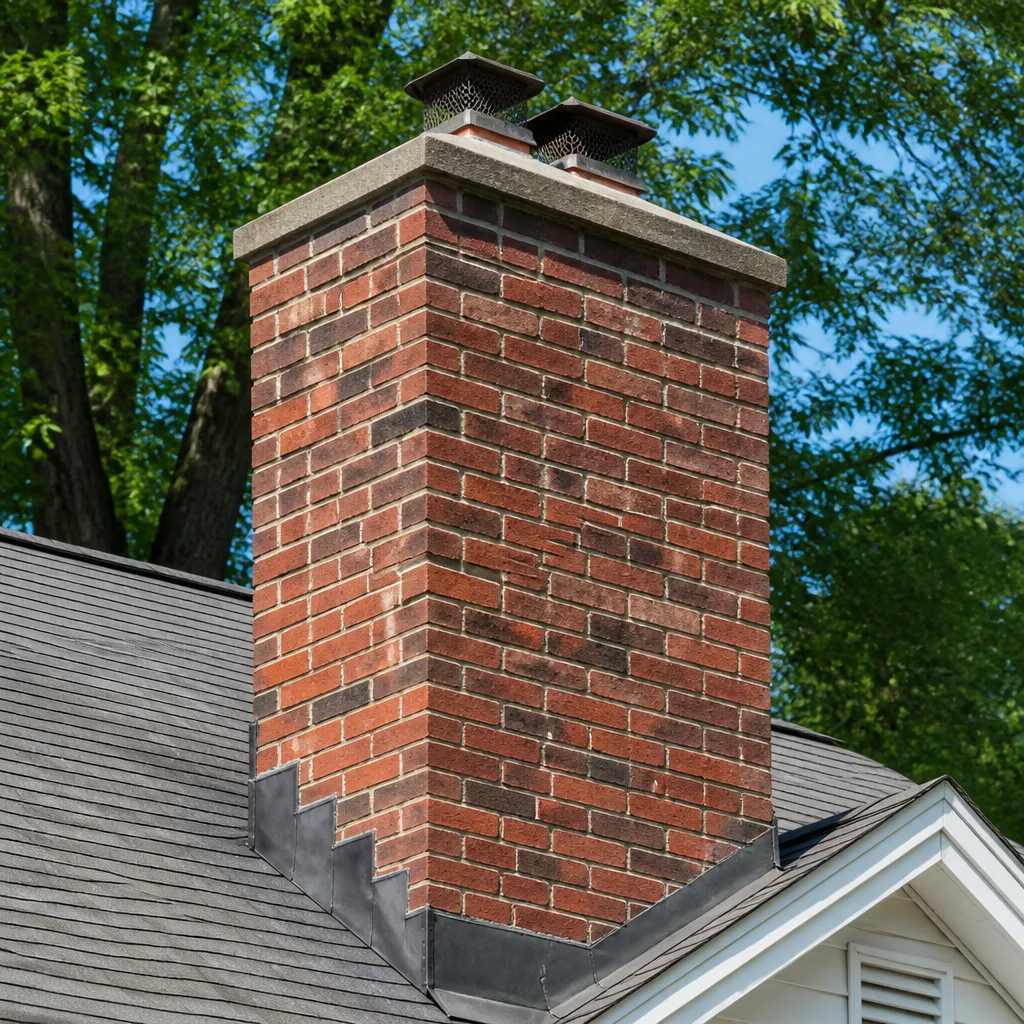 Masonry repair
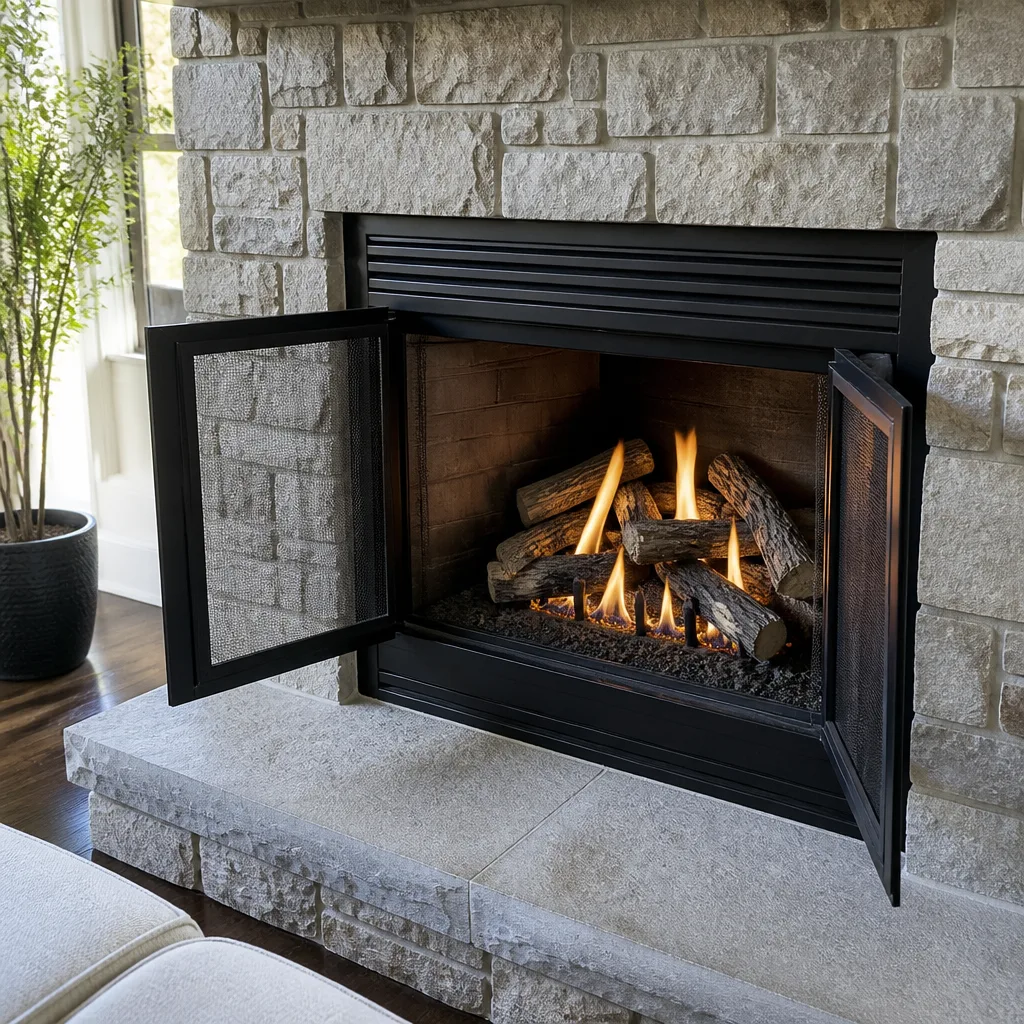 Gas fireplace service
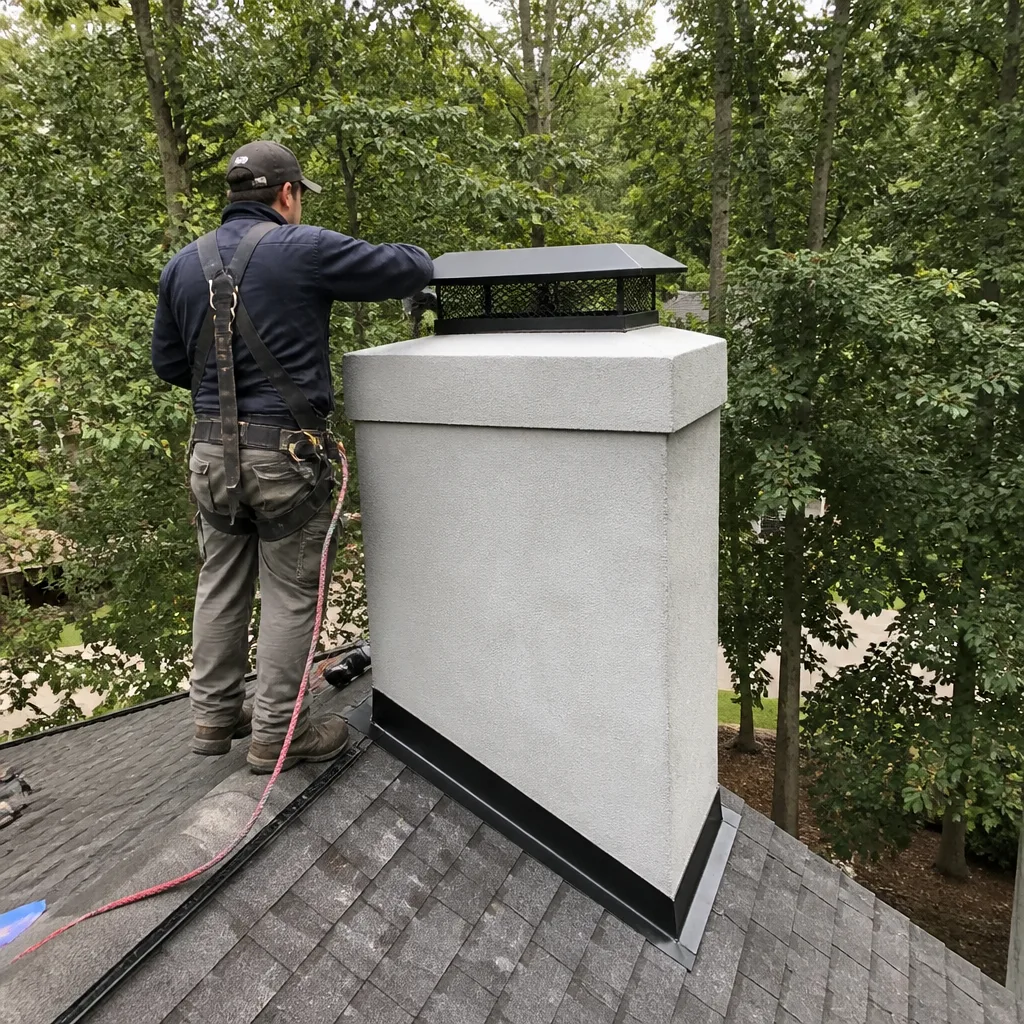
Level 1 sweep and inspection to the NFPA 211 annual standard - flue, crown, cap, and flashing checked and photographed
Chimney sweep logs do not sweep chimneys. They loosen some creosote - which then falls where a brush and vacuum still have to collect it.
Styles & brands we work with
See the difference
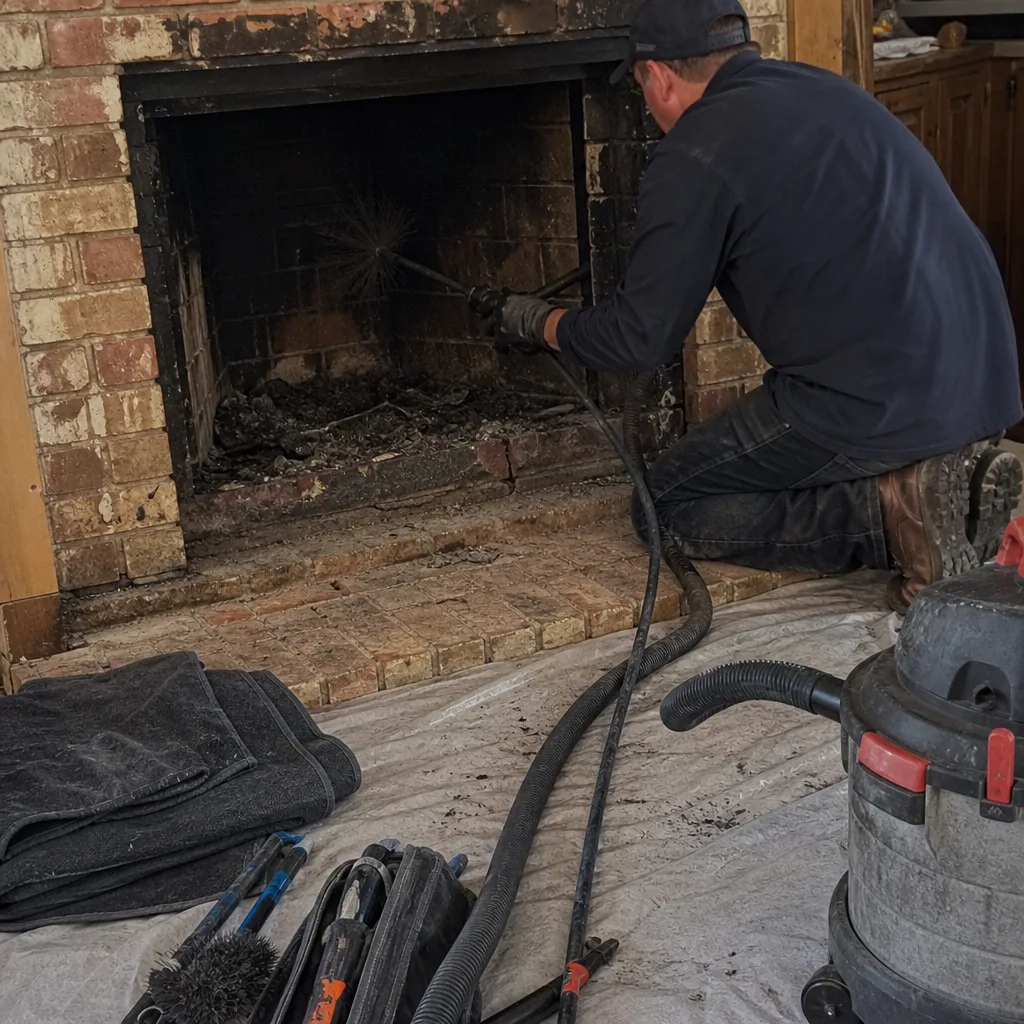 Before
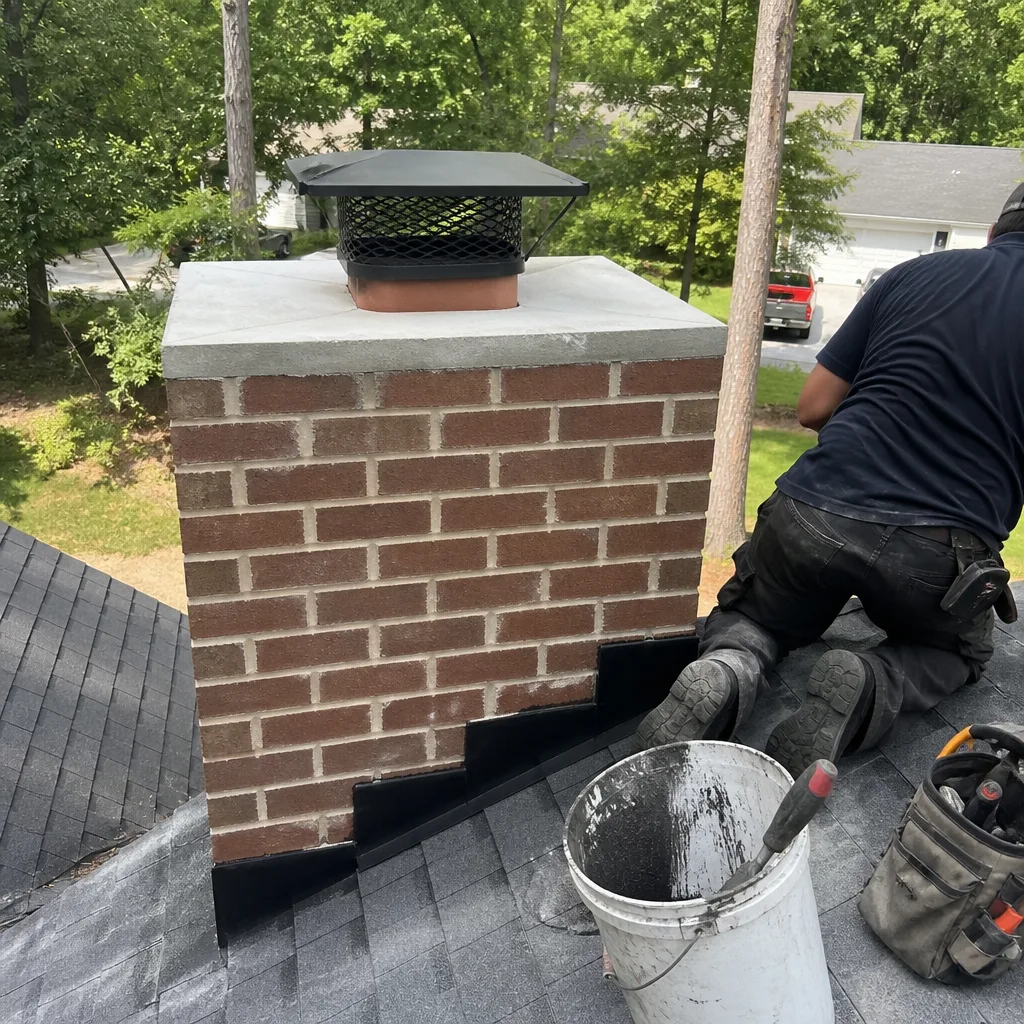 After
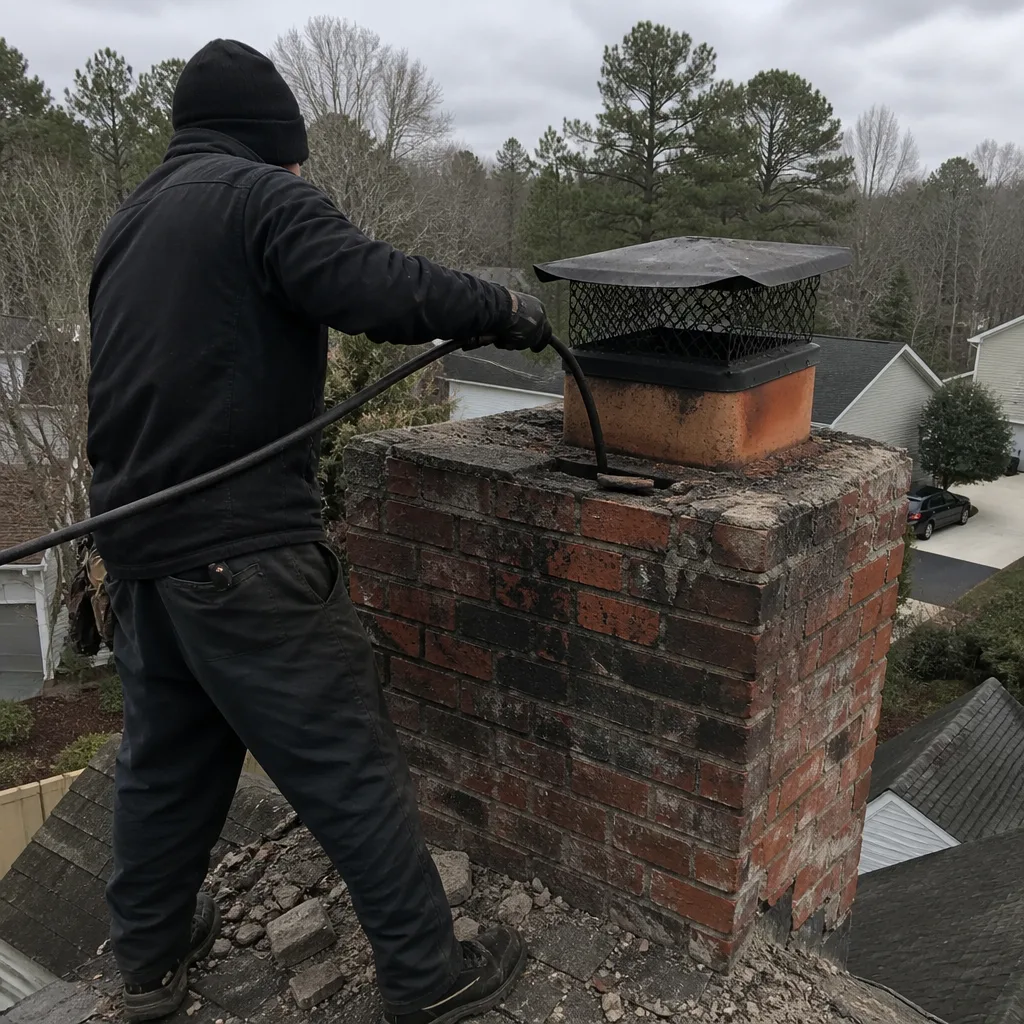 Before
 After
 Before
 After
Creosote Removal in Sandy Springs, GA
Creosote removal in Sandy Springs typically costs between $250 and $600 for a standard chimney sweep with creosote treatment, and most jobs are completed the same day. Creosote is the sticky, tar-like residue left behind when wood burns, and left alone it builds up in layers that restrict airflow and become a fire hazard. At Kindling Chimney Sandy Springs, we remove creosote thoroughly, treat the flue walls to slow regrowth, and give you a written price before any work begins. Call (229) 459-1048 and a live person answers, any hour, any day.
Creosote removal is part of our broader Chimney Cleaning & Sweep in Sandy Springs service. If you have not had the chimney looked at in a while, we recommend starting with an inspection so we can tell you exactly how much creosote has built up and whether removal alone will do the job or if a deeper treatment matters. And when you work with us, you are never guessing what the bill will be: you get a written price before the brushes touch the flue.
When You Need Creosote Removal
Creosote builds up every time you burn wood, but certain conditions make it build faster. Here in Sandy Springs, the mix of humid summers and cold winter nights means fireplaces get used in bursts, and those start-stop burning cycles are exactly what encourage creosote to form in uneven layers. If any of the following sounds like your home, creosote removal should be on your list:
- You see black, flaky or shiny tar-like buildup on the damper or fireplace walls. Shiny, hardened creosote (what technicians call stage three glazed creosote) is the most difficult to remove and the most important to address. Even a quarter-inch of it narrows your flue and changes how your fireplace drafts.
- Your fireplace smells like asphalt or a campfire even when it is cold. That odor is creosote off-gassing, and it is often strongest on humid days. Homes near the Chattahoochee River corridor, in neighborhoods like Riverside and Huntcliff, report this more often because the damp air pulls the smell into the living space.
- Smoke drifts back into the room instead of up the chimney. Heavy creosote deposits reduce the flue opening, and the fireplace starts to behave like a backed-up drain. You might notice it most when you first light a fire and the chimney is cold.
- You burn a lot of softwood or green wood. Pine and other softwoods common in Georgia produce more creosote per cord than hardwoods like oak and hickory. If you have been burning whatever was cheapest or whatever a tree service dropped off, creosote has likely accumulated faster than a typical annual schedule expects.
- It has been more than a year since the last cleaning. The National Fire Protection Association recommends a chimney inspection at least once a year, and cleaning whenever creosote reaches 1/8 inch thick. In Sandy Springs, where many families use their fireplace from October through March, an annual sweep with creosote removal is the practical minimum.
- You hear a crackling or popping sound like frying food from the flue when the fire is going. That is creosote igniting in small pockets. Even if it burns out on its own, it leaves behind a more brittle, more dangerous layer and can crack flue tiles.
None of these are signs you should panic. They are signs you should call a chimney technician who will look, measure, and tell you honestly what the flue needs. That is how we work. Call (229) 459-1048 and describe what you are seeing, and we will help you decide if a cleaning is the right next step.
Our Creosote Removal Process
Families in Sandy Springs want to know what happens in their home before the crew arrives. Here is exactly how creosote removal works when Kindling Chimney Sandy Springs is on the job:
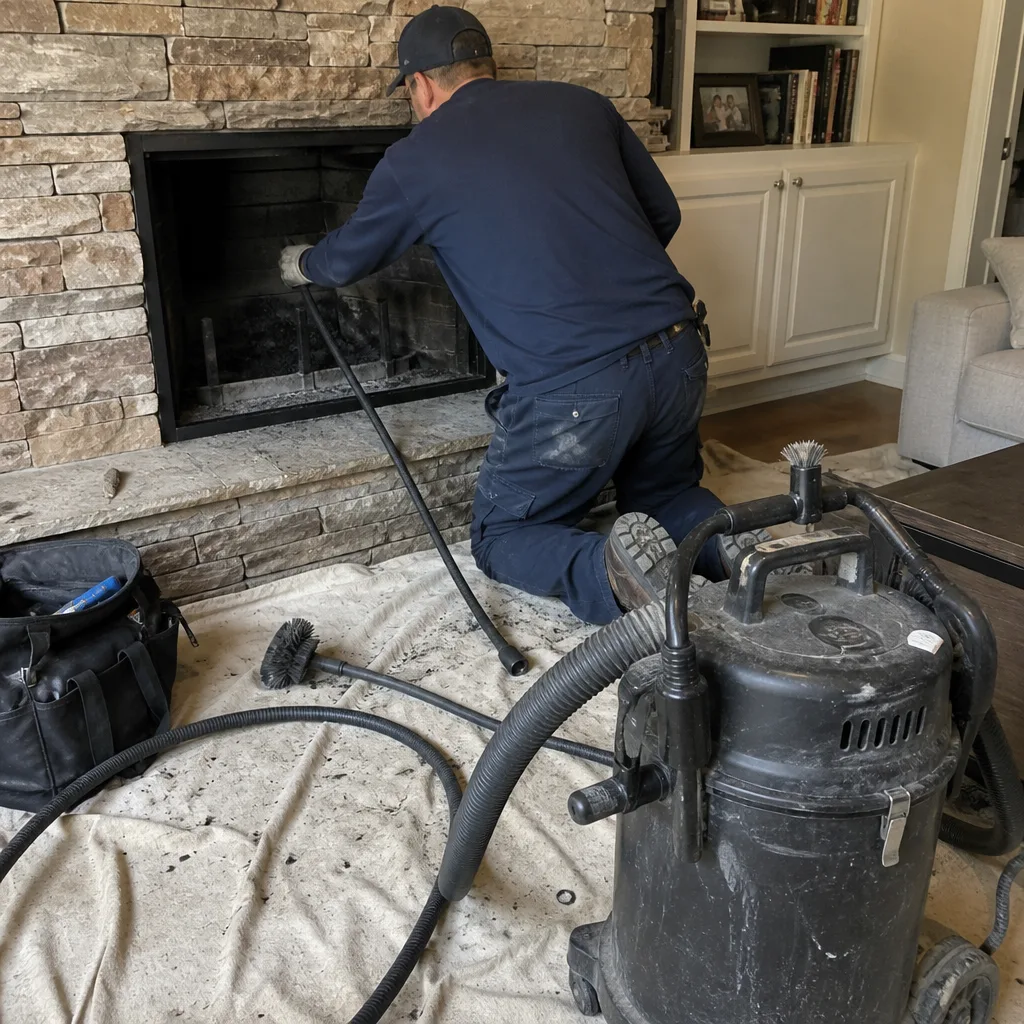
- We protect your home before anything else. Shoe covers go on at the door, and drop cloths are laid from the entry to the fireplace and around the hearth. Furniture stays where it is unless we need a few feet of clearance, and we ask before we move anything. If you have kids or pets, nothing we use leaves a chemical smell behind when we are done.
- We inspect the flue to measure the creosote. A camera or bright light goes up the chimney so we can see the type and thickness of creosote you have, and whether there is damage hiding underneath it. You might be surprised how often a chimney that just looks dirty has a small flue tile crack or a damper issue that should be addressed.
- We remove the creosote with the right tools for the stage it is in. Flaky, ashy creosote comes out with rotary brushes. Hardened or glazed creosote may require a chemical treatment applied first, or specialized loops and scrapers. We use professional-grade tools and chimney products from brands like Olympia Chimney and Famco so the work holds up between cleanings.
- We treat the flue walls to slow future buildup where it helps. In many Sandy Springs homes, a creosote modifier like an anti-creosote spray can keep the sticky residue from adhering as quickly. We will only recommend this if it genuinely fits how you burn and what your flue is made of.
- We clean the firebox, damper, and smoke shelf. Creosote is not only in the flue. It gathers on the smoke shelf and around the damper, and if it is not cleared there, the fireplace keeps smelling and smoking even after the flue is cleaned.
- We show you what came out and what the flue looks like now. Before we pack up, we take a photo of the clean-up area. You will see the drop cloths down, the floor clean, and the hearth as we found it. That photo is part of the Cedarwell Care Promise on every visit, along with the written price you received before work started.
When the job is done, you can burn that same evening if you want to. And if anything is not right, our 365-Day Done Right Promise means we will make it right. That is the whole point of writing everything down and standing behind it.
Creosote Removal Pricing in Sandy Springs
Most creosote removal jobs in Sandy Springs fall into these ranges, and we will give you a written price before the work starts:
| Service | Typical Price Range | What It Includes |
|---|---|---|
| Standard chimney sweep with creosote removal | $250 – $400 | Rotary brush cleaning of the flue, firebox and smoke shelf cleaning, basic creosote removal, and a photo of the clean-up |
| Heavy creosote removal (thick or glazed stage three buildup) | $400 – $600 | Chemical treatment or specialized removal for hardened creosote, longer cleaning time, and a post-clean inspection |
| Creosote treatment added to a sweep | $75 – $150 | Anti-creosote spray or modifier applied to flue walls to slow future buildup |
| Chimney inspection with creosote measurement | $150 – $250 | Camera or visual inspection to measure creosote depth and identify flue damage before cleaning |
What changes the price? The type of creosote matters more than anything. Light, flaky creosote comes out fast. Hard, shiny creosote takes longer and needs different products. The height of your chimney also matters, and so does whether your flue has a liner or is exposed masonry. A home in Dunwoody with a two-story chimney and a fireplace that has not been cleaned in three years will be at the higher end. A single-story ranch in Sandy Springs proper that gets swept every fall will be at the lower end.
We will not surprise you at the door. The quote you get before work starts is the price you pay, unless we both agree in writing to add something during the job. Call (229) 459-1048 for a free estimate, and ask about creosote removal when you call. We will ask about your fireplace, how often you burn, and when it was last cleaned, and give you a clear price range before anyone comes to the house.
Why Flue Liner Condition Matters for Creosote Removal in Sandy Springs
Homes built across Sandy Springs from the 1960s through the 1990s often have clay tile flue liners. Clay tile is durable, but it does not love rapid temperature swings. Sandy Springs winters with nights in the 20s followed by warm afternoons put real stress on that liner, and creosote makes it worse. Here is the connection: creosote holds moisture against the tile, and when a fire heats the tile unevenly, the thermal stress plus the embedded creosote causes hairline cracks. Those cracks then let heat and gases reach the chimney masonry, and they make creosote harder to remove completely because it settles into the rough, cracked surface.
If your flue liner is already damaged, creosote removal alone will not fix the underlying problem. In that case, we may recommend a stainless steel liner system like DuraFlex, which gives you a smooth, round flue that creosote has a hard time gripping, and which is far easier to clean every year after. We will never push a liner replacement you do not need. But if your liner is cracked, you should know it, because it changes what creosote removal can and cannot do for your fireplace long-term.
Why Sandy Springs Weather Makes Creosote Build Up Faster
Sandy Springs sits at about 1,000 feet of elevation, and our winter humidity often runs higher than places farther inland. That matters for two reasons. First, because humid air means wood stored outside never fully seasons, and wood with higher moisture content produces more creosote per burn. Second, because the damp, cool air in an unused chimney condenses creosote vapors onto the flue walls even when the fireplace is cold. Homes in the Heards Ferry and Mount Vernon Woods areas, where tree canopy keeps the yards damp, sometimes show heavier creosote accumulation than homes on the ridge line.
None of this means you should burn less. It means you should burn smarter: seasoned hardwood when possible, good airflow, and a regular creosote removal schedule. We talk through all of this when we are in your home, because your burning habits are the biggest factor in how much creosote comes back.
FAQs – Creosote Removal
How much does creosote removal cost in Sandy Springs?
Creosote removal in Sandy Springs typically costs between $250 and $600 depending on how thick the creosote is and what type it is. A standard sweep with basic creosote removal starts around $250, while heavy glazed creosote requiring chemical treatment can reach $600. For an exact price before any work begins, call (229) 459-1048 and we will talk you through what your fireplace likely needs. Estimates are free, and the written price we give you before starting is the price you pay.
Can you remove creosote the same day?
Yes, in most cases we can complete creosote removal the same day we arrive at your Sandy Springs home, usually within one to three hours depending on the size and condition of the chimney. If we find heavy glazed creosote that needs a chemical dwell time, the job may take a bit longer or require a return visit. Call (229) 459-1048 to schedule a time, and we will give you a realistic time frame based on what you describe.
How often should I have creosote removed?
For most Sandy Springs households that burn wood regularly from fall through spring, once a year is the right cadence for creosote removal, and that is what the National Fire Protection Association recommends. If you burn softwood, green wood, or more than a cord or two per season, you may need it twice a year. During your visit we will tell you how fast your chimney is accumulating creosote and suggest a schedule that fits your actual burning habits.
Is creosote removal safe to do myself?
We do not recommend DIY creosote removal. Working on a chimney means climbing on a roof or working from below with long rods, and the hard, glazed creosote that most needs removing does not come off with a hardware store brush. Professional equipment and training matter. We use the right tools for each flue type and we clean up fully when done, so the job is done safely and your floors and air stay clean too.
Written by Danny Cortes, Owner at Kindling Chimney Sandy Springs, serving Sandy Springs.